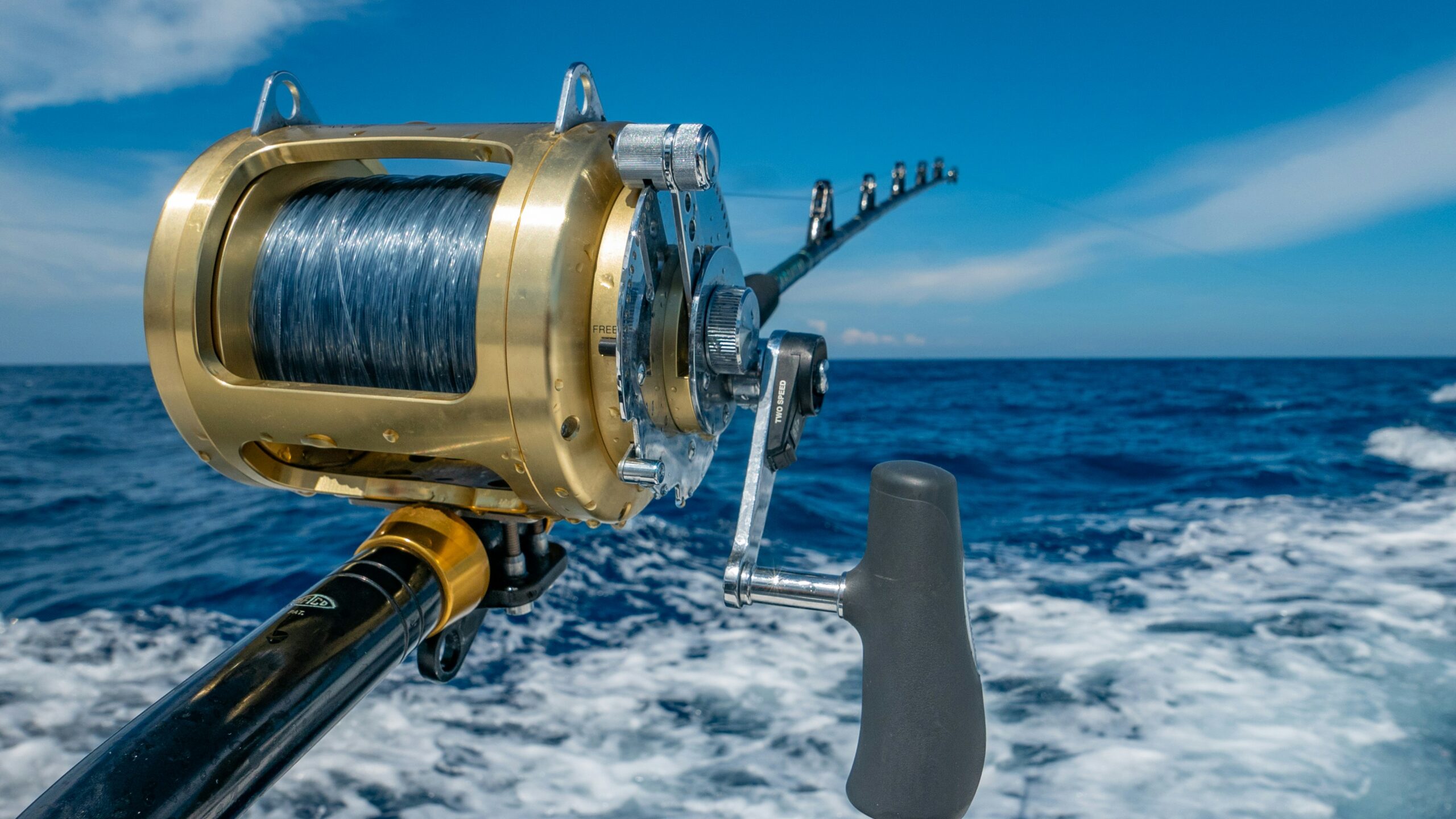
Photo by Wynand van Poortvliet
Scientists and fishermen are working together to understand a resurgence in Atlantic bluefin tuna numbers that has transformed the species’ prospects in UK waters within a decade. Dr Lucy Hawkes, an ecology professor at the University of Exeter who leads the Thunnus UK tagging project, said the population had collapsed by the mid-1960s because “there had been some really excessive takes, particularly of juvenile bluefin. Too many were being killed before they ever had a chance to reproduce.” The stock is now, in her words, thriving.
A stock rebuilt, then rediscovered
Bluefin tuna were largely absent from UK waters for decades before regular sightings resumed around 2014. Stock assessments since 2012 have shown a sustained recovery, and in 2021 the IUCN moved the species from “endangered” to “least concern” on its Red List. Newlyn fisherman Andrew Pascoe has watched the change first-hand: “Since we saw the first tuna returned to our waters about 14 years ago now, the numbers have risen double every year, and the last two or three years there’s absolutely thousands of them out there and right the way up through the English Channel.”
Hawkes said the fishing industry has become a vital source of evidence for her research. “Those are people who are out on the water all the time looking at the tuna,” she said. “The stories I hear from anglers and skippers in the South West is that the numbers of fish they’re seeing are going up dramatically.” Emily Theobald, science and policy lead at the Cornish Fish Producers Organisation, attributes the rebound to a combination of factors: “We’re in a warming phase and global warming is certainly contributing to the fish returning here after things like sardine and feed, which are also doing really well as a result of global warming, so it’s probably a combination of conservation and environmental factors.”
Record quota, record demand
Following ICCAT’s November 2025 meeting, the UK’s annual bluefin tuna quota rose from 63 tonnes to 230 tonnes for 2026 to 2028, confirmed in Parliament by the Fisheries Minister. Defra said UK commercial fishers could land 120 tonnes this year, worth an estimated £1.4 million based on historic landing prices, with a further 26 tonnes made available for the commercial-scientific trial fisheries, worth around £300,000. The MMO doubled the number of commercial licences available, from 15 to 30, and offered 145 permits to recreational fishers in England alongside six in Jersey.
The 30 commercial licences drew 155 applications – more than five for every place – allocated by blind ballot. Andy Wills, the MMO’s interim head of future fisheries, described the season as “an important milestone in the development of this emerging fishery as it features more quota and more permits than ever before,” while Isobel Johnston, the MMO’s Head of Sustainable Fisheries, said of the ballot: “As in previous years this fishery has been particularly popular. Whilst the UK has been able to double the number of authorisations available, demand has exceeded available opportunities… We do however recognise the disappointment experienced by applicants who did not secure a licence authorisation this year.” A Defra spokesperson called the tuna’s return “one of the most exciting developments in our fisheries for decades, creating new opportunities for commercial fishers, recreational anglers and coastal communities across the UK.”
Pascoe said each successful licence holder received a 4,000kg quota, equivalent to about 3,600kg of landed weight, which he estimated could be worth £50,000 to £60,000 per boat against roughly £7,000 to £8,000 of equipment costs. He saw no reason the number of permits “can’t double again in the next three or four years if the science is good and the management says we can catch more.”
Following the fish
The expanding fishery is also generating research opportunities. A University of Exeter project, backed by Cornwall Council, Devon and Cornwall Wildlife Trusts and Blue Marine Foundation, is working with MMO officers and commercial fishermen to establish what bluefin tuna are eating in UK waters, on the basis that understanding prey availability is fundamental to knowing whether the recovery will hold. Dan Barrios-O’Neill, Head of Marine Conservation at Cornwall Wildlife Trust, said: “The return of bluefin tuna to our seas is a real sign of hope in a rapidly changing world. Understanding what these incredible ocean giants are eating is a critical first step towards understanding their role in our marine ecosystems, and what factors may affect their recovery in future.”
Hawkes cautioned against complacency, noting the UK’s quota is a small fraction of Europe’s roughly 40,000-tonne total allowance: “It doesn’t mean our pie shouldn’t be ethical, done with the highest standards of welfare, and what we can do as scientists is provide the best evidence to help that to continue to go in the right direction.” Brixham fish merchant Ian Perkes noted a 200kg tuna can eat roughly a fifth of its bodyweight a day in sardines, mackerel and herring, but still called the tuna’s return “a shot in the arm” for the town: “If the tuna stay, of course it will increase the revenue for all – the fishermen, the fish merchants and the town.”
Not without friction
The fishery’s rapid growth has produced some tension. When the MMO declined to renew half of its 2024 licences for the 2025 season, some affected fishermen said the process had been handled poorly and raised concerns about consistency in how vessels were assessed. Partly in response, fishers granted licences must now complete mandatory training run by the Angling Trust for the first time. A trust spokesperson said: “Fishing for bluefin tuna is unlike anything else currently encountered in our waters. It is a large, powerful, highly mobile fish, and handling one safely, for the fish and for the people on board, takes specific skills.”
A fishery still finding its feet
Hawkes’s team has tagged 165 bluefin tuna in the Channel since 2018 without one ever venturing into the North Sea, which makes a 338kg fish landed off Whitby in August – reportedly the largest bluefin ever recorded in British waters, including the 1920s-40s heyday of tuna sport fishing – a genuine puzzle. “It’s entirely possible that these fish are actually Canadians coming over for a little summer holiday in the UK,” Hawkes said, adding that only further tagging research would confirm whether North Sea and Channel tuna share a population.