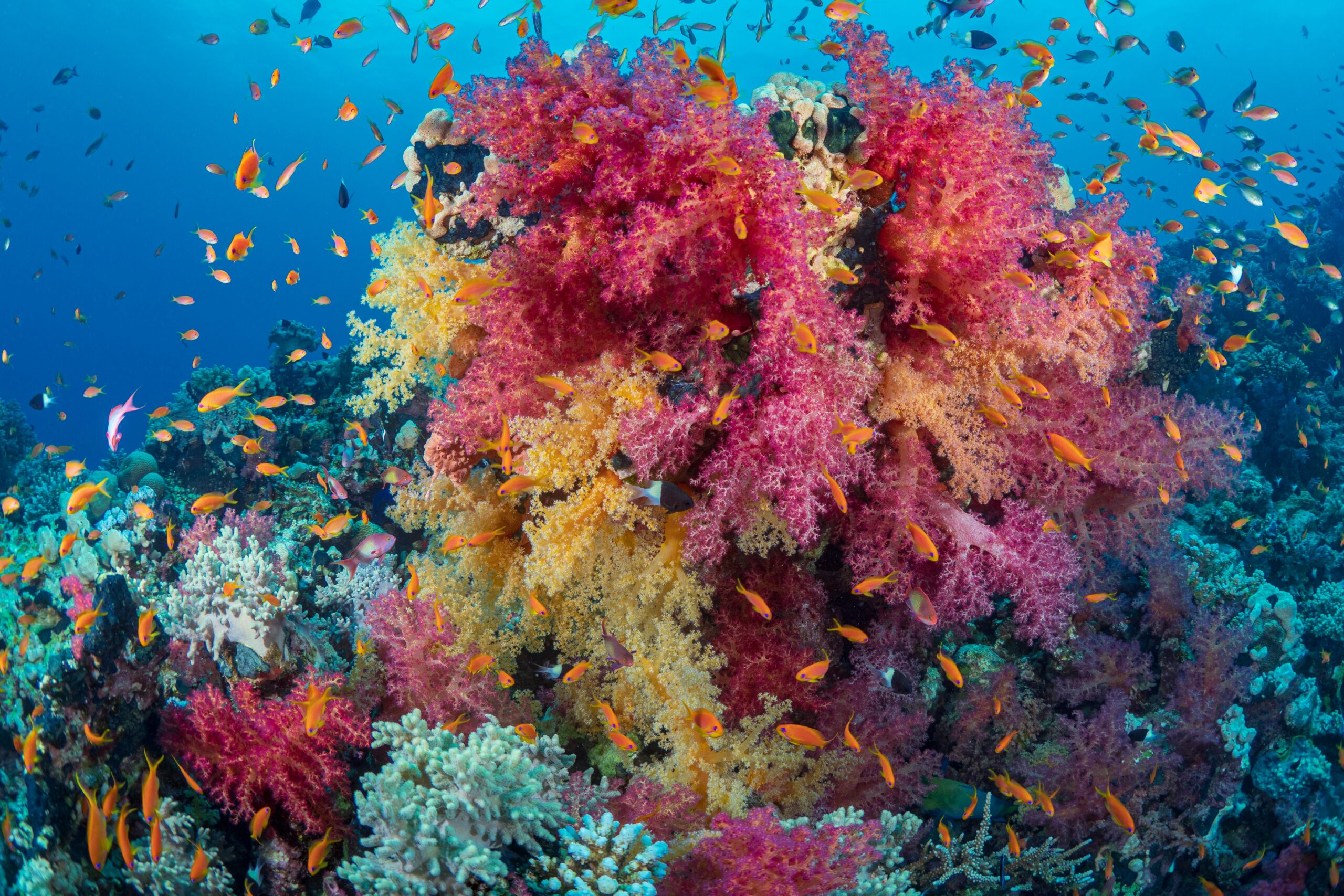
Photo by Pascal van de Vendel
The UK government has published a national security assessment warning that global biodiversity loss and ecosystem collapse pose a direct threat to the country’s security and prosperity, with some critical ecosystems potentially facing collapse within five years.
The 14-page report, officially attributed to the Department for Environment, Food and Rural Affairs but understood to have been produced by the Joint Intelligence Committee which oversees MI5 and MI6, applies military intelligence techniques to assess how ecosystem degradation could impact UK interests. The document was originally scheduled for publication last autumn but was delayed by Downing Street.
Global threat assessment
The assessment’s first key judgement states with “high” confidence that “Global ecosystem degradation and collapse threaten UK national security and prosperity. The world is already experiencing impacts including crop failures, intensified natural disasters and infectious disease outbreaks.”
Six ecosystem regions are identified as critical for UK national security: the Amazon and Congo rainforests, boreal forests of Russia and Canada, coral reefs and mangroves of South East Asia, and the Himalayas. The report warns that “If current rates of biodiversity loss continue, every critical ecosystem is on a pathway to collapse.”
On timing, the assessment states: “There is a realistic possibility some ecosystems start to collapse by 2030 or sooner, as a result of biodiversity loss from land use change, pollution, climate change and other drivers.”
UK food security at risk
The document highlights Britain’s particular vulnerability to global supply chain disruption. It notes that “The UK imports 40% of its food from overseas, with over 25% coming from Europe” and is “heavily reliant on imports for fresh fruit, vegetables and sugar.”
On domestic food production, the report states: “Biodiversity loss, alongside climate change, is amongst the biggest medium to long term threat to domestic food production – through depleted soils, loss of pollinators, drought and flood conditions.” It continues: “Ecosystem collapse would place the UK’s agriculture system under great stress, leaving it struggling to pivot to the new approaches and technologies that would be required to maintain food supply.”
The assessment warns that “Without significant increases in UK food system and supply chain resilience, it is unlikely the UK would be able to maintain food security if ecosystem collapse drives geopolitical competition for food.”
Cascading security risks
Beyond food security, the document identifies cascading risks. On organised crime, it states: “Serious and Organised Crime will look to exploit and gain control over scarce resources.”
On conflict, the report warns: “Conflict and military escalation will become more likely, both within and between states, as groups compete for arable land and food and water resources. Existing conflicts will be exacerbated.”
The assessment cites research showing that “A one percentage increase in food insecurity in a population compels 1.9 percent more people to migrate.”
Uncertainty over timing
The report notes significant uncertainty around timing: “There is a high degree of uncertainty around the timing and pathways of ecosystem collapse. The drivers of ecosystem degradation are approaching the known thresholds for collapse – for example, the Amazon is likely to collapse at 20-25% deforestation when combined with temperature rises and forest fires; it is currently at 17%.”
Calls for action amid funding concerns
Ruth Chambers, senior fellow at the Green Alliance thinktank, emphasised that the assessment should be essential reading for the government. She urged a renewed focus on meeting targets to reverse the decline of UK nature and cautioned against backing away from international biodiversity efforts.
The publication comes as ministers debate future spending to assist countries in coping with the climate crisis and stemming nature’s decline. The current pledge of £11.6 billion from 2021 to 2026 is set to expire, with insiders suggesting that funding might be substantially cut and ringfencing for nature projects potentially ending.
Former climate and nature minister Zac Goldsmith warned that shifting priorities away from nature towards a narrow focus on carbon would have serious implications for safety and prosperity.
Gareth Redmond-King, Head of International Programme at the Energy and Climate Intelligence Unit, said: “We have only one scientific solution to the growing danger and spiralling costs from climate change, and that is to cut our planet-heating emissions to net zero.”
Quiet release
The Chartered Institute of Ecology and Environmental Management noted that the document was published with no press briefing, headlines or apparent ministerial comment, landing amid a news cycle dominated by the World Economic Forum in Davos.
The assessment’s release follows the December 2025 publication of the UK Biodiversity Indicators, which showed that more indicators are deteriorating or showing no change than improving. The findings align with the World Economic Forum’s Global Risks Report 2026, which ranks biodiversity loss as the second most severe global risk over the next decade, surpassed only by extreme weather events.
A DEFRA spokesperson told media that understanding the threats from biodiversity loss is crucial to meeting them head-on, and that the report’s findings will inform future actions to prepare for challenges ahead.