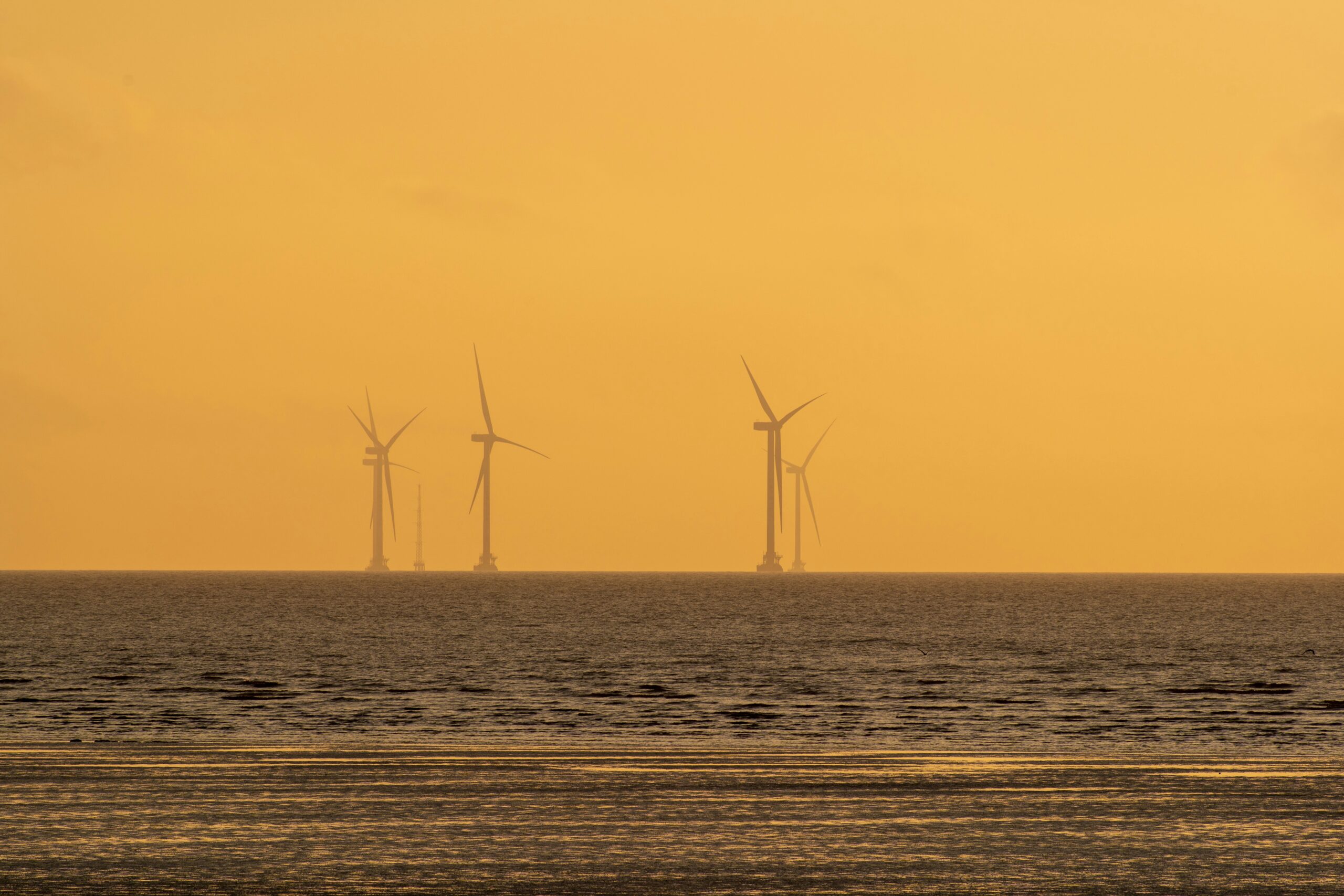
Photo by Low Angle
The European Commission’s Directorate-General for Employment, Social Affairs and Inclusion has published a comprehensive study examining the employment, skills and social implications of offshore renewable energy development in the European Union.
The study, titled ‘Assessment of potential employment, skills and social implications of Offshore Renewable Energy development in the EU’, was released on 16 January 2026.
Auditor recommendations
The study responds directly to the European Court of Auditors’ Special Report 22/2023, which identified a lack of systematic analysis of the socio-economic impacts of offshore renewable energy, specifically in relation to employment, skills, and interactions with other maritime sectors such as fisheries.
The analysis identifies key areas of material impact and estimates socio-economic impacts within the EU, highlights data gaps and challenges that hinder robust impact assessments and provides recommendations to strengthen future evaluations.
Offshore wind focus
The analysis focuses on offshore wind energy as the most mature and widely deployed offshore renewable energy technology in Europe, but the analytical framework developed was designed to be transferable to other emerging technologies.
The framework identifies key impact areas including impact on economic outcomes, employment level, skills, quality of employment, public acceptance, and social cohesion and outlines relevant indicators, data sources, levels and methods of analysis to carry out assessments.
Five member states examined
These guidelines were used to analyse economic, employment and public attitude impacts at EU level and in five member states: Germany, France, the Netherlands, Poland and Portugal, selected for their significant current or expanding offshore wind capacities.
Broader context
The EU has set targets for an installed capacity of at least 60 GW of offshore wind and 1 GW of ocean energy by 2030, and 300 GW and 40 GW, respectively, by 2050. EU countries agreed revised targets, most recently in December 2024.
The offshore wind sector generated more than €5.3 billion in gross value added in 2022, a 42 per cent increase compared to 2021. The sector directly employed 17,300 persons in 2022, continuing the general growing pattern observed in the last decade. Provisional data for 2023 estimate 18,400 people employed in the sector.
The Partnership for offshore renewable energy, represented by industry, trade unions, education, training and research organisations, has committed to support the qualification process for new jobs in the sector, estimated between 20,000 and 54,000 new workers in the next five years.