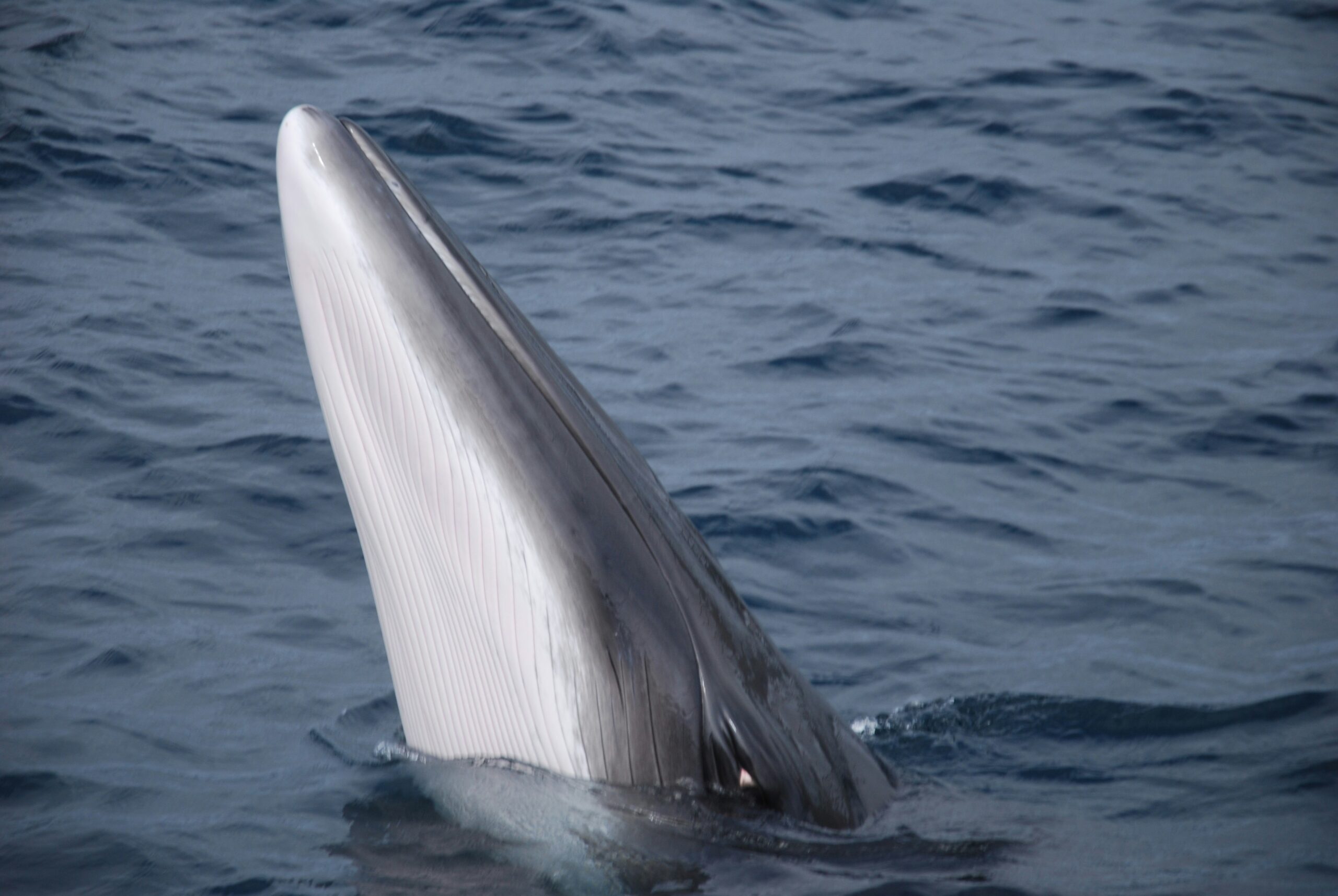
Photo by Igor Francetic
More than 100,000 whales, dolphins, porpoises and other marine species were reported in Scottish seas during 2025, making it a record year for marine megafauna sightings according to the Hebridean Whale & Dolphin Trust.
Common dolphins, once considered rare summer visitors, made up more than 35 per cent of all sightings. The species is now seen across Scotland’s waters year-round, and 2025 was the first year in which common dolphins overtook harbour porpoises to become the most frequently reported species on Whale Track, the HWDT’s app for sighting reports.
Sixteen species recorded
Harbour porpoises and minke whales followed closely behind common dolphins. Other species recorded included bottlenose and Risso’s dolphins, basking sharks, orcas and humpback, fin, sperm, pilot and sei whales.
The record number of reports came in from more than 1,000 members of the public or citizen scientists via the app. Sixteen species were reported among nearly 14,000 encounters.
The Trust notes that many animals will have been recorded more than once, as individuals and pods sometimes comprising more than 100 animals move through Scottish waters.
Notable encounters
A surprise encounter occurred in early May when a rare Arctic visitor, a beluga whale, appeared in Loch Broom near Ullapool to capture national attention.
Another highlight was the reunion of two orcas named John Coe and Aquarius, the last known members of the “West Coast Community”, after nearly five months without being seen together. They were spotted in the Sound of Rum in early September.
A sunfish, one of the largest bony fish in the world, was reported in June off the east coast of Tiree, with a subsequent sighting in August near the Treshnish Isles.
Citizen science contribution
Sadie Gorvett, HWDT sightings and education manager, said: “People are at the heart of protecting whales, dolphins and porpoises in Scotland. The data they collect underpins everything we do. Whale Track now has more than 8,000 registered users and continues to grow year on year – it’s an extraordinary public effort.”
Mull-based HWDT has been operating for more than 30 years, allowing it to compile a dataset that reflects cetaceans’ long lives and wide-ranging travels, illustrating how Scottish seas have changed and continue to do so.
The Trust is encouraging the public to use the Whale Track app and report their sightings in 2026. The app is available free from Google Play and the App Store.