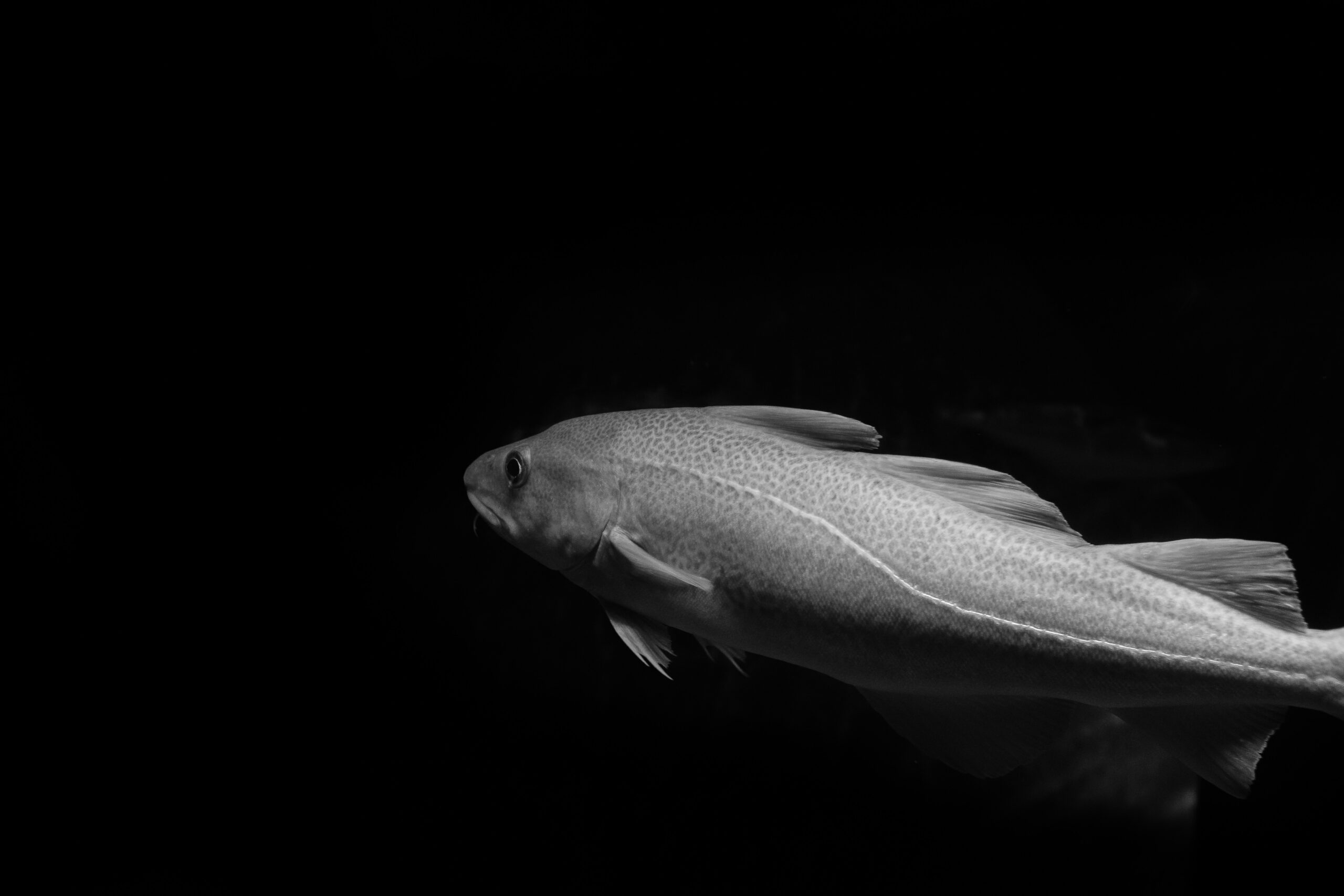
Photo by Ricardo Resende
Fishermen in Alaska and Norway are reporting significant increases in cod catch rates using LED lights in fishing pots, with some vessels achieving catches two to three times higher than competitors using traditional baited traps alone.
Frank Miles, who fishes out of Kodiak in southern Alaska, told Hook and Net magazine about his experiences using lights to increase trap catch rates in the Pacific cod fishery. He said: “I fish for just about anything I am allowed to catch. Over the season that will be cod, black cod, shrimp, crab, salmon, whatever is out there.”
Competitive advantage
Miles reported: “For a couple of years I kept very quiet about them, as I was out-fishing the rest of the fleet here in Kodiak by 2.5:1 or 3:1, and started seeing a bunch of other fishermen start to follow me out to the grounds.”
Working pots at around 100 metres depth, Miles uses four green lights as well as bait. He explained: “The strange thing is that without bait in the pots the lights don’t seem to work – I’ve tried it. I am also now putting up to four lights in the pots and seem to be getting better results than using singles.”
Miles added: “I’ve tried different colours, but for me, in both the cod and shrimp fisheries, green works best. During the height of the season my cod in the traps are averaging about 14lb (6.3kg) each, it’s great to see pots come up full of fish, and I can pack out the fishroom in two days fishing – a four hour steam home, unload, and back out to do it again.”
He stated: “The lights now are integral to my fishing, I couldn’t imagine going cod trapping without them.”
Miles described his best season: “My best ever cod season was 4.8 million pounds (2177 tonnes) in total – not bad for a small boat with myself and just two crew!”
Norwegian developments
Norway saw the re-emergence of cod potting in 2023, made far more economically viable through the application of pot lights. Unlike the Alaskan approach, some Norwegian fishers are reportedly setting pots without bait, relying solely on light to attract their catch.
Catch rates using light have been significantly higher compared to baited pots alone. The article notes that prey attraction drives the success: krill and prawns are drawn to light, which in turn attract cod that prey on them.
This has been supported by multiple scientific studies, including Hambordstad et al. (2018), which found that pots using light had catch rates up to 17 times higher than those using only bait.
Technology adoption
Thomas Day of Fishtek Marine said: “Understandably, and for obvious reasons, the more pioneering fishers who try new ways of getting an edge, often keep it under wraps. This new fishery in Norway will take time to fully adopt the approach 100% however, it does appear to be catching on faster than usual – possibly because of the impressive results we’re hearing about.”
The article notes that anything that reduces reliance on bait – or eliminates the need for it altogether – can offer major benefits, with lower operational costs, time savings and significant environmental gains by easing pressure on overexploited baitfish stocks.
Day explained: “Like Frank, who reported that he was more than happy to out-fish the rest of the cod boats in Kodiak, we’re sure the same dynamic is at play in Norway. They tell us at Fishtek that this is something to stay as there are always repeat orders. There have certainly been a few of those over the last couple of years, whether it be fishers trialling the concept or conducting side-by-side trials against competitor brand lights.”
Ongoing development
Fishtek Marine has developed a new PotLight Pro model. Day said: “We’ve had some cracking feedback for the new PotLight Pro that we hope will take this market by storm – there’s still no clear winner yet on light colour preference between white, green or blue but hopefully by the end of this season it’ll be conclusive!”
Miles also uses the technology for other species. He noted: “Tanner Crab seem to prefer white lights. I counted 405 crabs in this one trap. It pays for fishermen to experiment in their own fisheries and learn just what suits their local conditions, but I’d never think of fishing these fisheries now without pot lights in.”