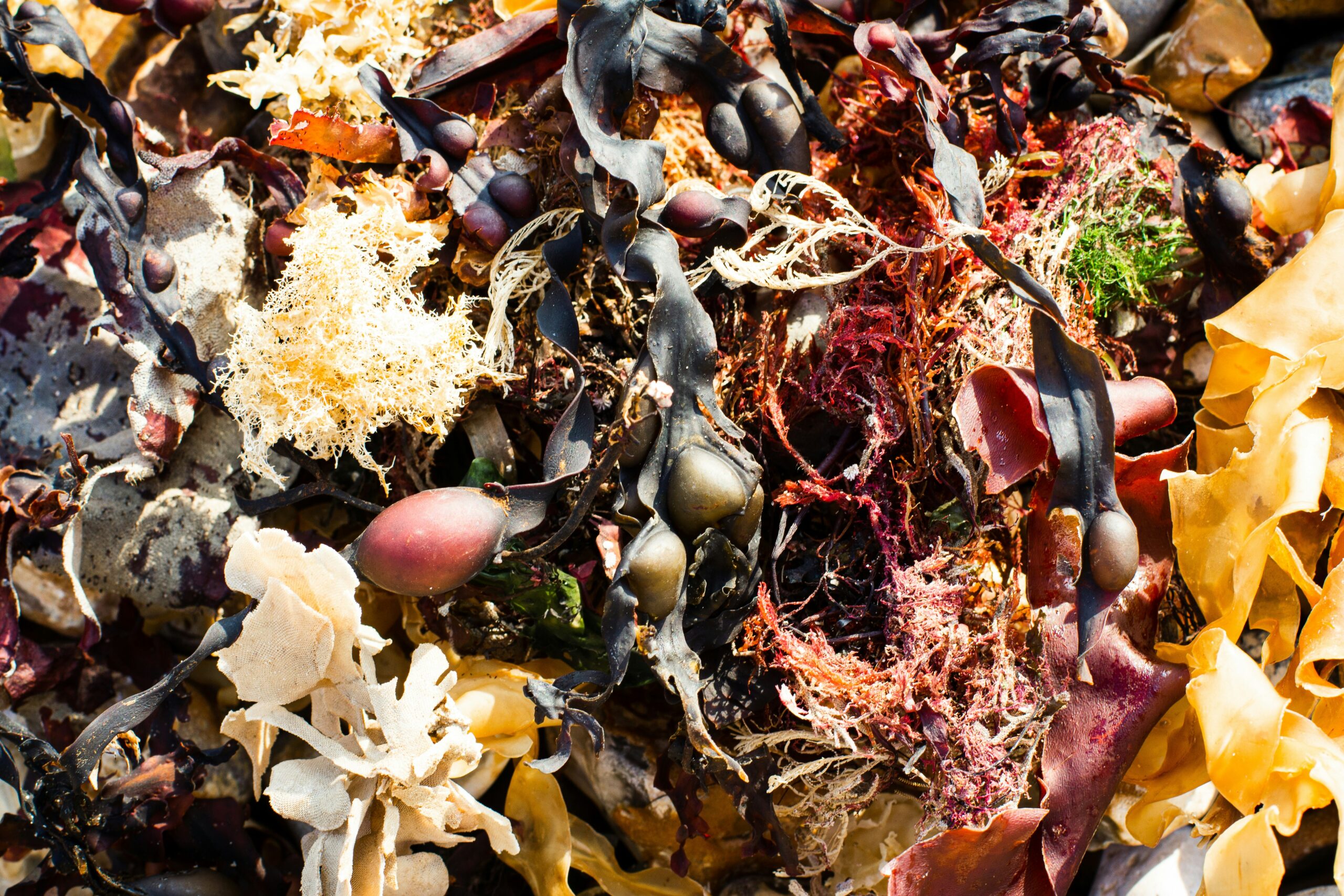
Photo by Catherine Breslin
Scientists have revealed that floating algae blooms are expanding worldwide, with artificial intelligence analysis uncovering a potential regime shift from a macroalgae-poor ocean to a macroalgae-rich ocean.
Researchers at the University of South Florida and NOAA used AI to scan 1.2 million satellite images and found blooms are expanding across the ocean. These trends are likely the result of changes to ocean temperature, currents and nutrients, with significant impacts on marine life, tourism and coastal economies.
Dramatic expansion
Between 2003 and 2022, microalgae on the ocean surface increased by 1% per year. However, macroalgae blooms increased by 13.4% per year in the tropical Atlantic and western Pacific, with the most dramatic increase occurring after 2008.
Professor Chuanmin Hu said: “While regional studies have been published, our paper gives the first global picture of floating algae, including macroalgal mats and microalgal scum.”
With a total cumulative area of 43.8 million square kilometres, the expansion is likely a result of ocean warming and eutrophication, with a possible regime shift favouring macroalgae and specialised microalgae species.
Tipping points
Major blooms began around 2010. Green seaweed Ulva bloomed in the Yellow Sea in 2008, brown seaweed sargassum appeared in the tropical Atlantic in 2011, and another sargassum bloom occurred in the East China Sea in 2012.
Hu stated: “Before 2008, there were no major blooms of macroalgae reported except for sargassum in the Sargasso Sea. On a global scale, we appear to be witnessing a regime shift from a macroalgae-poor ocean to a macroalgae-rich ocean.”
Record sargassum
In 2025, scientists observed a record-breaking 38 million metric tons of floating sargassum in the Atlantic basin. Once limited to the Sargasso Sea, this seaweed now blankets coastlines from West Africa to the Yucatán Peninsula, overwhelming resorts, smothering coral reefs and causing millions in cleanup costs.
Woods Hole Oceanographic Institution research quantifies multi-million, and potentially billion-dollar, annual losses affecting Puerto Rico, the US Virgin Islands and Florida’s Atlantic coast. The Great Atlantic Sargassum Belt stretches thousands of miles and was initiated by unusual wind patterns in winter 2009-2010, fuelled by high nutrient availability.
Double-edged sword
Macroalgae provide critical habitat for marine life in open water but cause considerable harm to tourism, economies and health when decaying biomass reaches coastal waters.
Satellite monitoring in January 2026 showed above-average sargassum concentrations, with significant seaweed already washing ashore in destinations like Tulum, weeks ahead of normal timing.