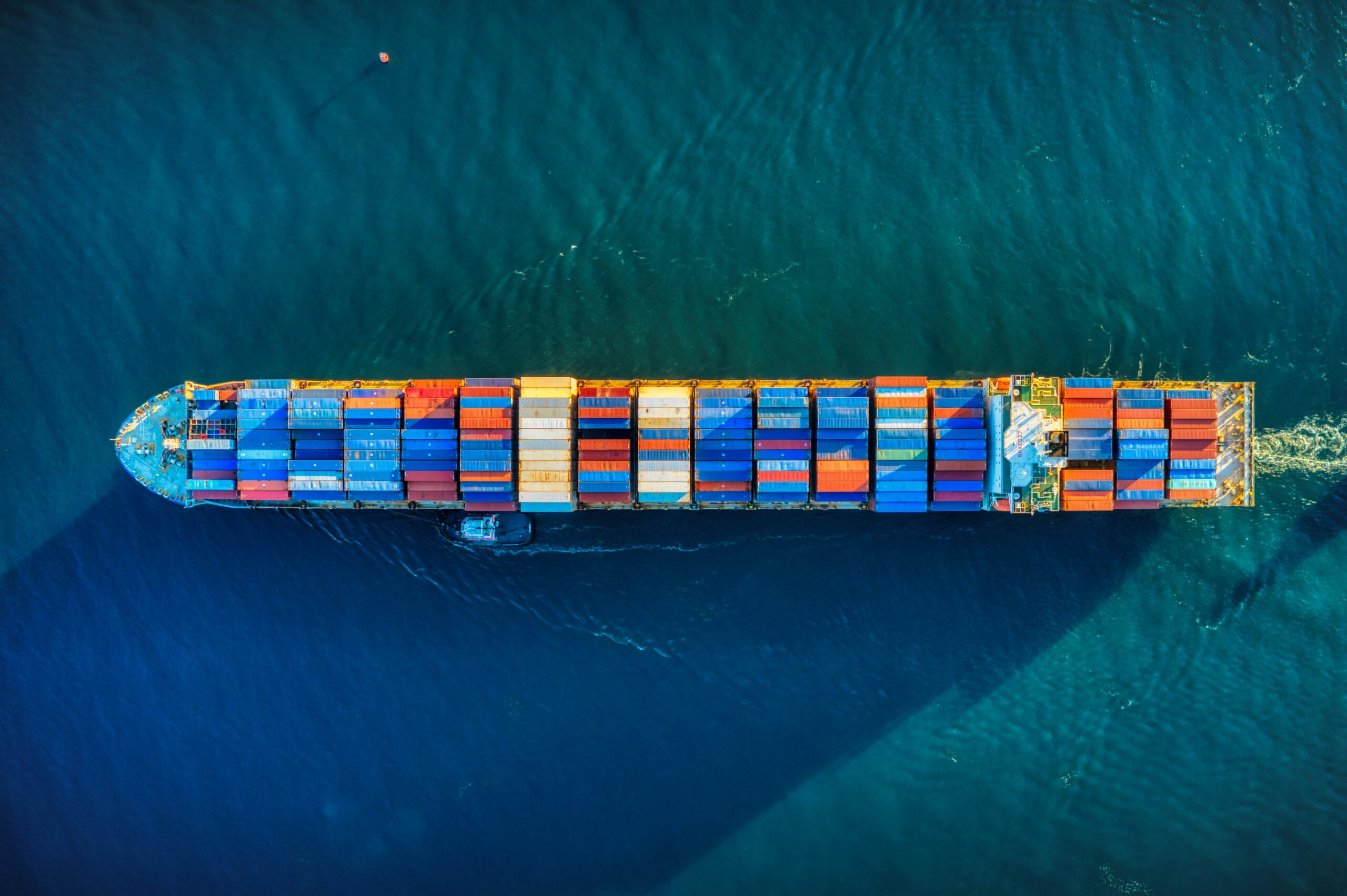
Photo by Venti Views
Once seen as a remote and largely isolated Arctic territory, Greenland is rapidly emerging as a focal point of global geopolitics as climate change, melting ice and technological advances transform the island into a strategic hub.
New shipping routes, vast mineral resources and growing rivalry between major powers, particularly the United States and Russia, are pushing Greenland to the centre of international attention, raising questions about security, sovereignty and sustainable development.
Arctic shipping routes opening
One of the most visible impacts of climate change in the Arctic is the reduction of sea ice, making previously inaccessible waters navigable for longer periods each year. New Arctic shipping routes, including passages near Greenland, promise shorter travel times between Europe, Asia and North America.
Compared to traditional routes like the Suez Canal, Arctic pathways can reduce shipping distances by thousands of kilometres, cutting fuel costs and emissions. The Northern Sea Route can save shippers as much as 50% in costs by reducing the distance from Japan to Europe to only about 10 days compared to roughly 22 days through the Suez Canal.
US National Oceanic and Atmospheric Administration modelling shows a dramatic increase in viable journeys for both polar-class vessels and normal open water-faring ships. The agency predicts that by 2059, it will likely be possible for a polar-class vessel to sail the most direct route right across the North Pole as sea ice formation reduces further.
Greenland’s coastal waters are increasingly important as potential transit corridors and support hubs for these routes. Positioned between the US and Russia, Greenland sits close to emerging Arctic shipping lanes where melting ice is opening routes that could sharply cut Asia-Europe transit times.
Critical mineral reserves
Beyond shipping, Greenland holds significant reserves of critical minerals, many of which are essential for modern technologies and the global energy transition. These include rare earth elements, lithium, graphite, uranium and other strategic resources used in electric vehicles, wind turbines, batteries and defence systems.
Greenland may have significant reserves of up to 31 different minerals, including lithium and graphite, according to a 2023 report. Both minerals are needed to produce batteries for electric vehicles and other technologies.
China dominates around 90% of global rare earth refining, giving it strategic leverage over supply chains, especially for electric vehicles, renewable energy and defence systems. Greenland can provide 30 of the 50 critical minerals where China has a near-worldwide monopoly from its two largest rare earth mines in the world.
However, mining in Greenland is controversial. Local communities and policymakers must balance economic opportunities with environmental protection and cultural preservation. Greenland’s harsh climate and fragile ecosystems make resource extraction both technically challenging and politically sensitive.
US strategic interest
The United States has long considered Greenland strategically vital, largely due to its location between North America and Europe. The US already maintains a military presence at Pituffik Space Base (formerly Thule Air Base), which plays a key role in missile warning systems and space surveillance.
Greenland also sits astride the so-called GIUK Gap, a naval choke point between Greenland, Iceland and the UK that links the Arctic to the Atlantic Ocean. The base has traditionally been pivotal to monitoring Russian submarines traversing the GIUK Gap.
US interest is driven by several factors: protecting transatlantic security routes, countering rival powers in the Arctic and ensuring access to critical minerals. Greenland is increasingly viewed as a frontline in maintaining Western influence in the High North.
Russian Arctic ambitions
Russia sees the Arctic as central to its economic and military strategy. It has invested heavily in Arctic military bases, icebreaker fleets and energy projects, particularly along its northern coastline.
Although Greenland is geographically distant from Russia’s main Arctic territories, Moscow closely monitors developments there. The island’s proximity to key Arctic sea lanes and North Atlantic routes makes it strategically relevant in any broader confrontation between Russia and NATO.
As tensions between Russia and the West remain high, Greenland’s location places it near the intersection of competing security interests, increasing its geopolitical significance.
Environmental and infrastructure challenges
The expansion of Arctic shipping raises concerns about environmental risks, maritime safety and the lack of robust emergency infrastructure in the region. In the long term, as vessel traffic in the Arctic Ocean increases, Greenland will likely become a key player in effective management of the Arctic Ocean, including emergency management, prevention and response.
The viability of new shipping routes and other maritime activities will depend on investments in comprehensive marine infrastructure. Greenland is strategically positioned to both benefit from and help manage such investments.
Greenlandic sovereignty
Greenland is a semi-autonomous territory of Denmark with about 57,000 people, nearly 90% of Inuit origin, and an economy that has long revolved around fishing. The island spans about 836,000 square miles, with 81% of its land under ice.
Climate change is making Greenland’s position increasingly important whilst simultaneously threatening the traditional ways of life of its indigenous population and raising complex questions about sustainable development in a rapidly changing Arctic environment.