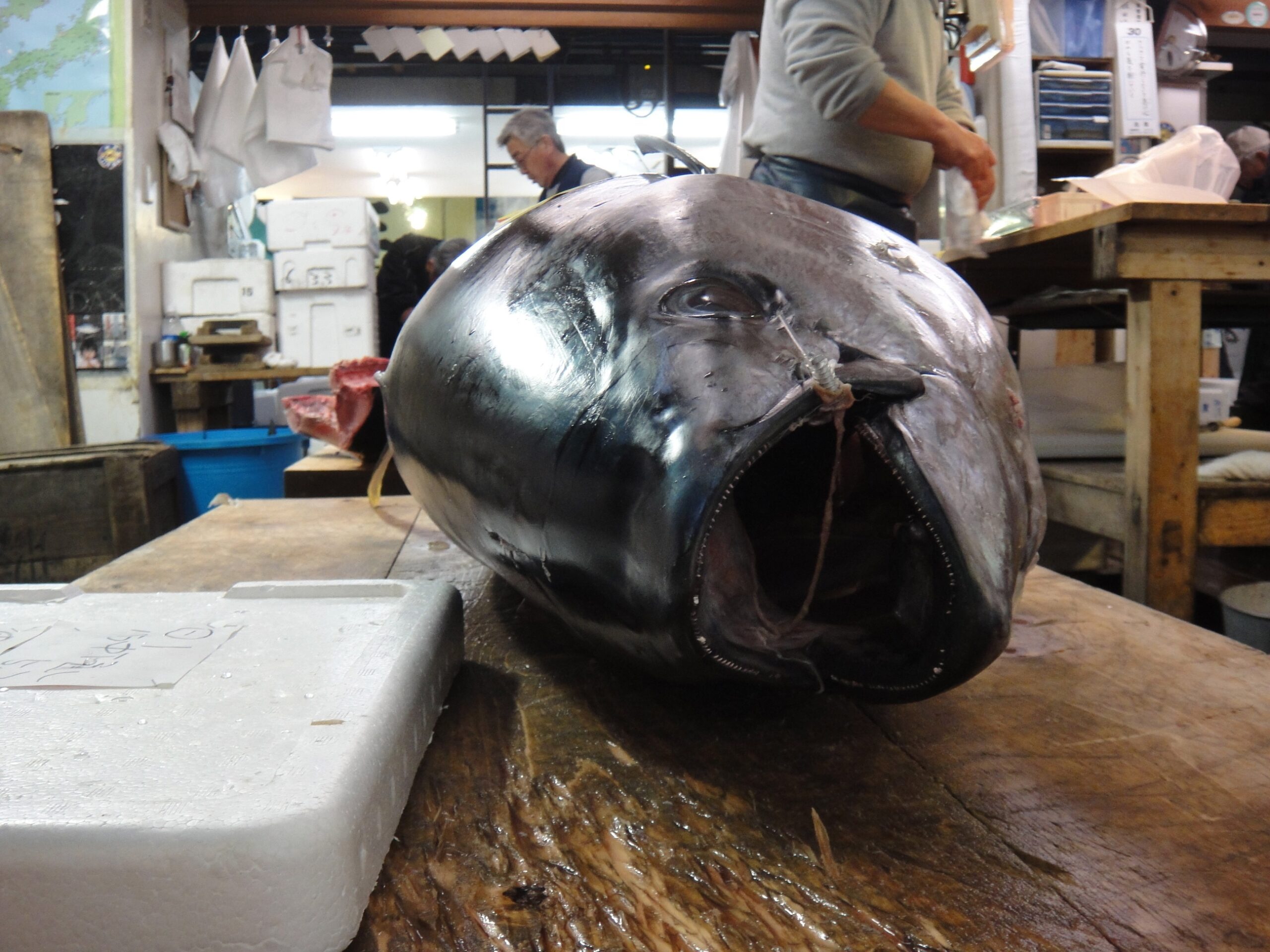
A record-shattering bid at Tokyo’s premier fish market has seen a giant bluefin tuna sell for 633 million yen (£3.43 million), more than doubling the previous all-time high.
The 252kg fish, caught off the coast of Oma in northern Japan, was part of the annual New Year auction held at the Toyosu waterfront market. The winning bid was placed by Kiyoshi Kimura, the president of the Kiyomura Corp sushi chain, who reclaimed his title as the “Tuna King” after several years of more modest spending. As reported by The Guardian, the sale far exceeded the previous record of 333.6 million yen set in 2019, reflecting a surge in confidence as international tourism and domestic high-end dining fully rebound.
According to reports from The Japan Times, the record price was driven by a fierce bidding war between Kimura and his rivals, who traditionally use the New Year event as a high-stakes marketing opportunity.
Following the purchase, the tuna was transported to Kimura’s flagship Sushi Zanmai restaurant near the market to be carved and served to customers at standard prices. Speaking to reporters as he inspected the massive fish, Kimura stated that while the price was “higher than originally expected,” he was delighted to have secured the “best tuna” to serve his guests. He added that the record-breaking bid was intended to “cheer up Japan” and celebrate a prosperous start to the year.
The scale of the event was captured in a photo gallery by the Associated Press. The Oma bluefin is particularly prized by sushi connoisseurs for its high fat content and refined flavour, often referred to as the “black diamond” of the sea.
While the auction is a celebrated tradition, the high prices and focus on bluefin tuna continue to draw scrutiny from environmental groups. Pacific bluefin tuna remain a species of concern due to historical overfishing. Despite these concerns, the Toyosu auction remains a vital cultural and economic barometer for Japan. Market officials stated that the total value of sales on the first day of 2026 was significantly higher than in recent years, suggesting that the industry is entering a new period of growth.