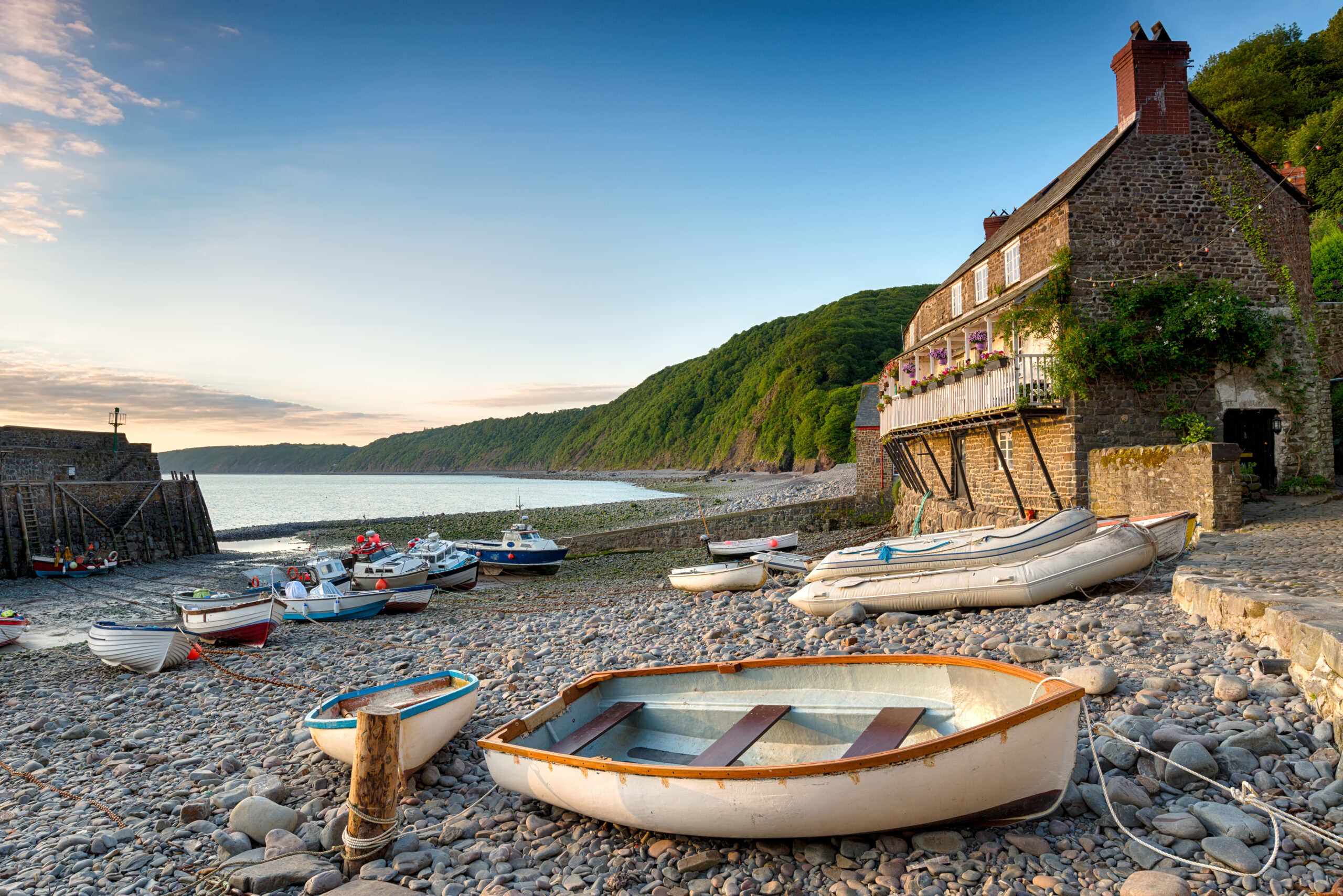
Boats in the harbour at Clovelly an historic fishing village on the Devon Heritage Coast
The UK’s coastal waters experienced a year of dramatic contrasts in 2025, marked by a historic surge in marine life alongside devastating industrial pollution. In its annual Marine Review, The Wildlife Trusts revealed that while some species thrived in record numbers, the environment remained under significant pressure from human activity and climate change.
2025 has been dubbed the “year of the octopus” following an unprecedented population explosion of the common or Mediterranean octopus. According to The Wildlife Trusts, sightings of the intelligent cephalopods increased by as much as 1,500% in certain areas. Matt Slater, a marine conservation officer at Cornwall Wildlife Trust, stated that a mild winter and warm spring created an “exceptional octopus population explosion, the like of which hasn’t been seen in our waters for 75 years.” Divers reported witnessing the animals “walking” on the seabed and even interacting with underwater cameras.
However, these ecological successes were tempered by what was described as “environmental disasters”. In March, a major collision between a tanker and a container ship in the North Sea spilled vast quantities of plastic resin pellets, known as nurdles. This was followed in November by the release of 4.5 tonnes of plastic “bio-beads” from a water treatment plant in Sussex. Ruth Williams, head of marine at The Wildlife Trusts, noted that “the year was bookended by environmental disasters,” highlighting the persistent threat of plastic pollution to fragile marine ecosystems.
Climate change continues to redraw the map of British marine life. The review found that warmer-water species, such as the volcano barnacle and various rare sea slugs, are moving further north. Meanwhile, traditional cold-water species like cod and haddock are retreating toward the Arctic. The presence of anchovies and sardines in the south-west has also attracted apex predators, with bluefin tuna increasingly spotted in “boiling sea” feeding events.
There were also notable victories for conservation. A record 46,000 puffins were counted on the island of Skomer, while grey seal numbers reached new highs at South Walney nature reserve. In the courts, Sussex Wildlife Trust secured a significant legal win, successfully overturning a licence that allowed the dumping of dredged sediment into a protected Marine Conservation Zone.
Despite these milestones, the report stresses that more robust government action is required to protect the 30% of UK waters designated as protected areas. The Wildlife Trusts are calling for an immediate ban on bottom trawling in all Marine Protected Areas to allow habitats to recover. Ms. Williams emphasised that in areas where trawling has ceased, such as off the Sussex coast, “we’ve recorded mussel beds forming… in an area previously decimated,” proving that nature can rebound if given the necessary protection.