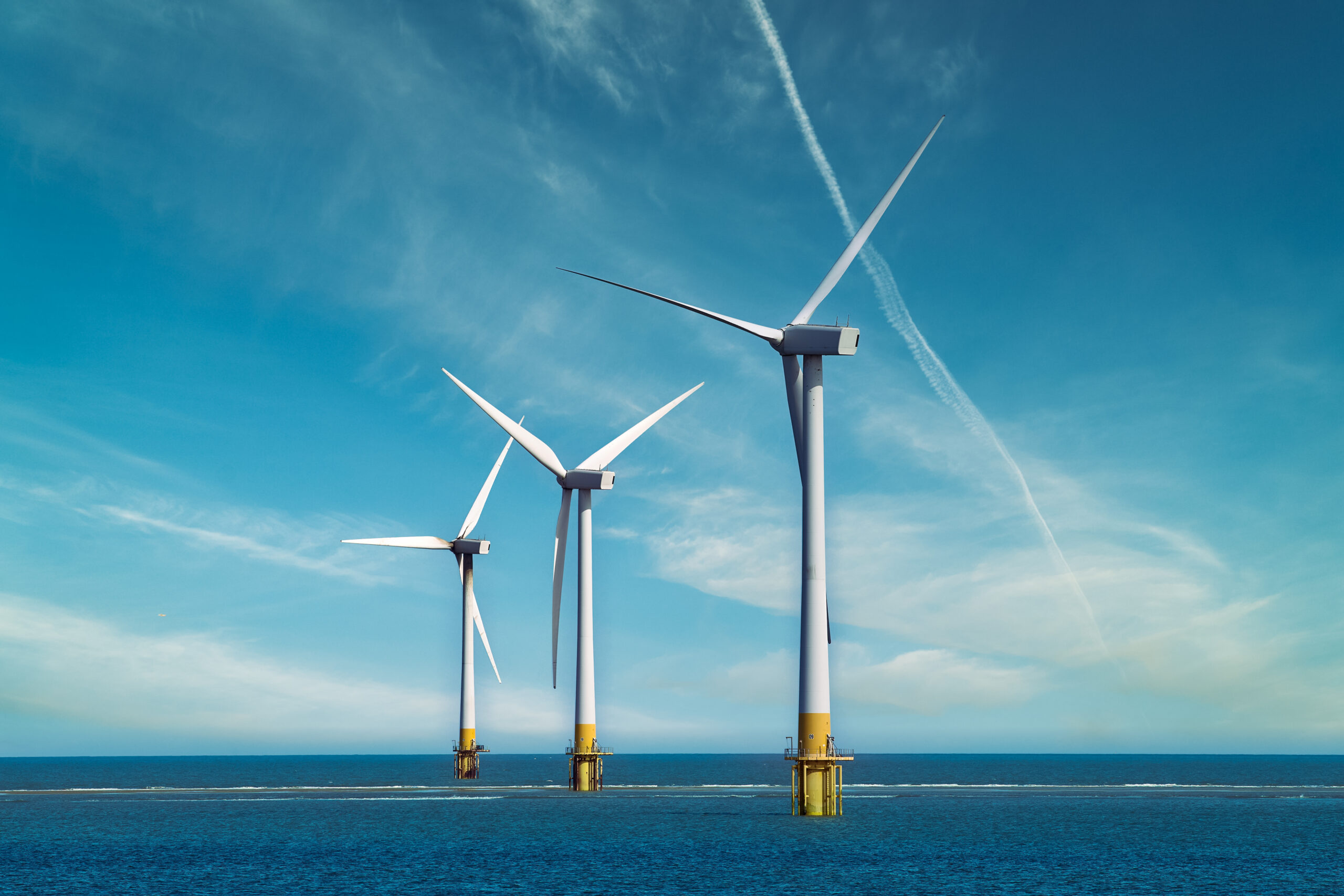
The UK government has granted development consent for the Five Estuaries Offshore Wind Farm, a major renewable energy project in the southern North Sea capable of powering approximately one million homes. The decision, as reported by Energy Live News, marks a significant milestone in the nation’s push toward its 2030 clean power targets.
The project is an extension of the existing Galloper Offshore Wind Farm and is expected to have a generation capacity of up to 1,080 megawatts (MW). In a statement issued on behalf of the Secretary of State, Minister for Energy Security and Net Zero Alan Whitehead confirmed that the Development Consent Order (DCO) had been approved following an extensive examination process. The decision was originally expected earlier in the autumn but was rescheduled for December to allow for further deliberation.
The wind farm will feature up to 79 turbines with a maximum tip height of 370 metres, located roughly 37 kilometres off the coast of Suffolk. Danielle Lane, Director of Development for UK and Ireland at RWE, stated that the achievement “reflects years of dedicated community engagement and collaboration with local stakeholders.”
According to official project partners, the scheme is led by RWE in collaboration with a Macquarie-managed consortium, ESB, and Sumitomo Corporation. The power generated will be transmitted via subsea cables making landfall at Sandy Point in Essex, before connecting to a new substation near Little Bromley and joining the National Grid’s proposed Norwich-to-Tilbury transmission corridor.
The project is expected to create hundreds of skilled jobs during its construction and operational phases. As reported by the Planning Inspectorate, the examination included full consideration of local views and environmental evidence. Mitigation measures have been built into the plans to address potential impacts on shipping, navigation, and marine life, including specific habitat improvements near the Alde-Ore Estuary to support local bird populations.
Construction is anticipated to begin in 2027, with the wind farm scheduled to become operational after 2030. The developers will now focus on securing a “Contract for Difference” (CfD) to provide long-term price certainty before reaching a final investment decision. This project is seen as a key component of the UK’s British Energy Security Strategy, which aims for 50GW of offshore wind capacity by the end of the decade.