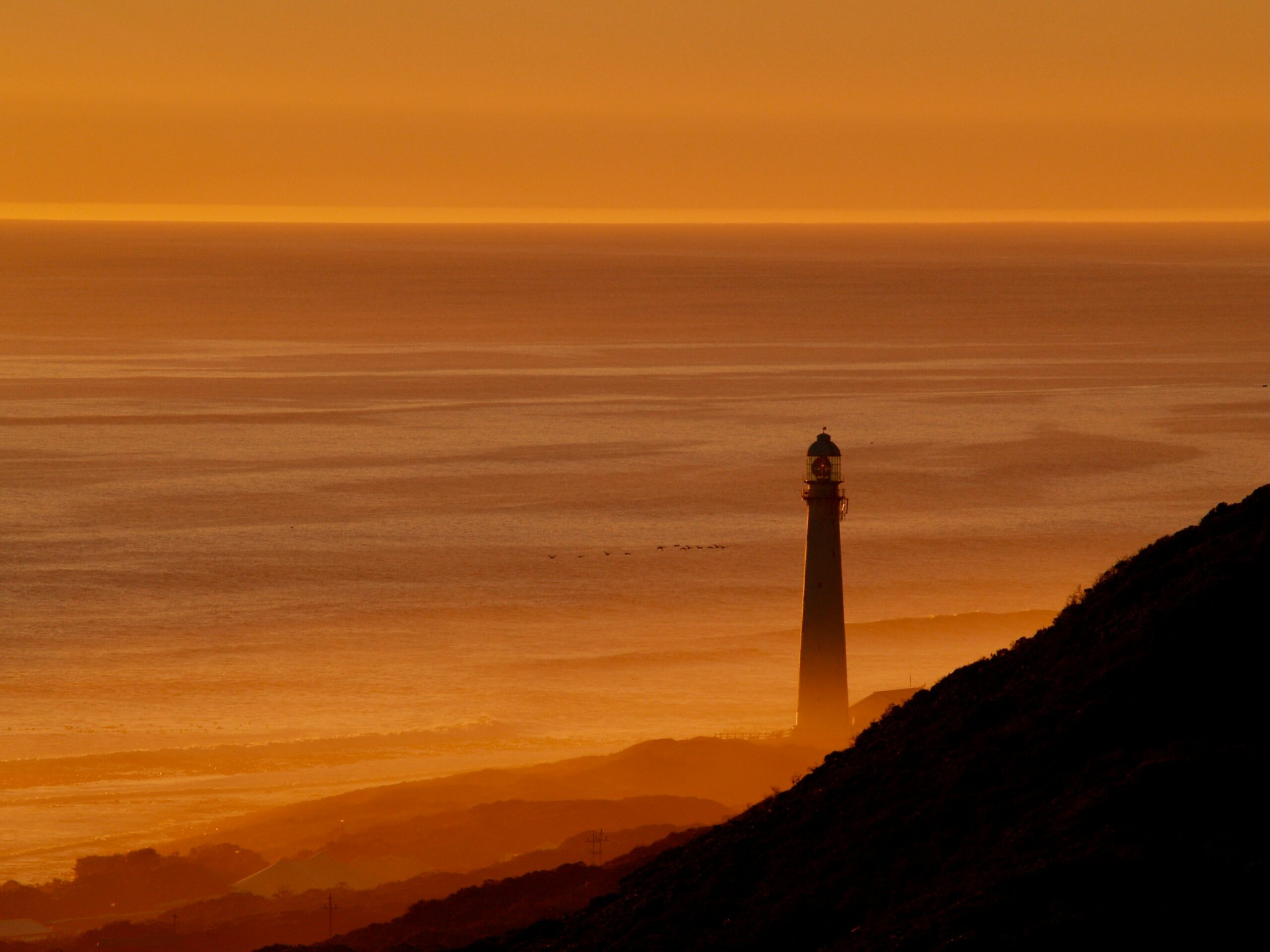
Photo by Peter Burdon
The COVID-19 pandemic created an unprecedented opportunity for scientists to study the ocean’s soundscape during a period of dramatically reduced human activity, with 2020 officially declared the “Year of the Quiet Ocean” by the International Quiet Ocean Experiment.
In 2020, Covid-19 led to a 4.1% decrease in global maritime trade. In some economic zones, marine traffic hit lows of 70%, with models estimating a 6% reduction in shipping noise energy worldwide. This allowed for a natural worldwide experiment of the impacts of sound on marine life.
Peter Tyack, a professor of Marine Mammal Biology at the University of St Andrews and founding member of the International Quiet Ocean Experiment, explained: “The core idea of the International Quiet Ocean Experiment was that rather than adding sounds and seeing what happens, maybe you have to go to places and reduce sounds.” However, turning the ocean’s volume down on a global scale proved to be a costly, logistical nightmare.
Scientists listened to the ocean soundscape before, during and after lockdown using 200 ocean hydrophones already in place around the global ocean.
When New Zealand entered lockdown on 26 March 2020, boat traffic in the Hauraki Gulf Marine Park almost completely stopped. Underwater noise dropped to about one-third of normal levels within 12 hours, allowing the communication ranges of fish and dolphins to increase by up to 65%. For dolphins, their calls could travel around 1 mile further than when hampered by shipping noise.
Vessel traffic reductions were reported in nearly 44% of the global oceans and in 77.5% of national waters during April 2020, with up to 13% reduction in container ships and up to 42% reduction in passenger ships.
Miles Parsons, a researcher at the Australian Institute of Marine Science, said: “Sound is the primary modality for most animals in the ocean.” A recent study suggested that of the 34,000 fish species estimated to be found in the ocean, around two-thirds produce sound.
Regional studies found varied impacts. Sound pressure levels close to the Port of Vancouver decreased by 1.5 dB during early 2020, while measurements off the Oregon coast showed reductions of about 1.6 dB compared to the previous five years. Studies in the North Sea showed a decline in sound pressure of 13%.
In the Colombian Pacific, studies found that during breeding season, humpback whales fed from the seafloor less frequently and at shallower depths as ship noise levels increased. In Australia, researchers found migrating humpback whales spent more time underwater and extended their dive durations when vessels were nearby.
The data gathered during New Zealand’s shipping ban of 2020 indicated even small changes in vessel activity can greatly affect underwater sound, showing how noise from small boats, as well as large ships, can limit how marine animals hear and communicate.
Understanding the ways marine life uses sound has also meant scientists can use underwater sound as a tool for ocean restoration. By playing recordings of healthy reef soundscapes through underwater speakers, scientists can attract fish and other marine life back to damaged reefs.
One outcome of the IQOE was the establishment of the annual World Ocean Passive Acoustics Monitoring Day, startedby Parsons and Steve Simpson on 8 June 2023.
Simpson said: “We realised that it was just this magic moment where we get to eavesdrop on another universe and share it across the world.”