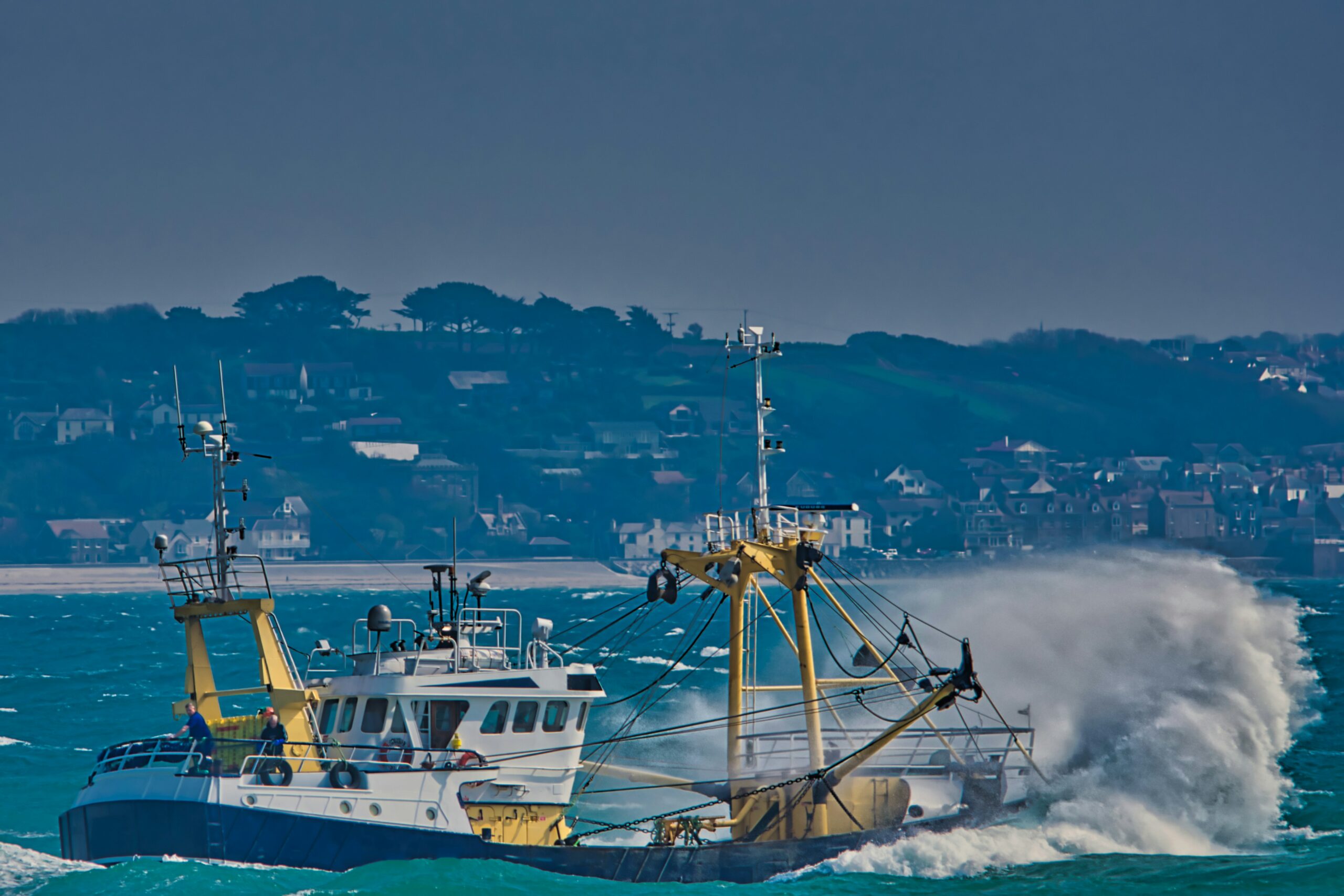
Photo by Lawrence Hookham
Annual catch negotiations for the UK’s largest cod stock have failed to follow the scientific advice of the International Council for the Exploration of the Sea, which urgently recommended zero catch to allow for population recovery. The EU, UK and Norway instead agreed a total allowable catch of 14,034 tonnes for 2026.
ICES advised in September that cod quotas in the North Sea and adjacent waters should be reduced to zero in 2026. The scientific body warned that the Southern substock is so depleted that any catch would drive it below critical biomass limits. Because three substocks—Northwestern, Southern and Viking—intermix and are caught together in the same fisheries, ICES concluded that even limited fishing of the healthier stocks could endanger the fragile Southern stock.
The tripartite agreement represents a 44% reduction compared to 2025, with the North Sea allocation at 11,164 tonnes and Norway receiving 1,898 tonnes. The parties agreed to continue and expand closures of cod spawning grounds in 2026 and to consider further protective measures including additional area closures and more selective gears.
Alec Taylor, Director of Policy and Research at Oceana UK, stated: “We have been sounding the alarm over the dire state of cod populations in UK waters for years. The tragic but inevitable consequence of the failure of government to put in place a clear strategy to end overfishing was the news just weeks ago that zero catch of North Sea cod is needed to prevent total collapse, according to ICES scientific advice.”
Taylor continued: “Our government went into annual catch negotiations knowing that drastic measures were necessary to safeguard ocean ecosystems – they have come out of them with a catch limit for North Sea cod thousands of tonnes above scientific advice. It is not an exaggeration to say that this could be the death knell for British cod and the coastal livelihoods it supports.”
The fishing industry has expressed concerns about severe economic impacts. Daniel Lawson, executive officer of the Shetland Fishermen’s Association, said SFA analysis suggests the cod cut alone would remove over £16 million from Shetland’s local economy. He questioned the scientific basis for the decision, describing it as “irresponsible assumptions and unsupported guesswork which form the basis of this cod cut.”
Elspeth Macdonald, Scottish Fishermen’s Federation chief executive, acknowledged that “with ICES having recommended a zero total allowable catch for Northern shelf cod, the Scottish whitefish fleet had been contemplating having to tie up for much of the year.” She said she was relieved negotiators found a way to set a TAC alongside protective measures.
Phil Taylor, director of Open Seas, called on regulators to follow ICES advice, stating: “The government must learn from those mistakes from the past and ensure that decisions about this fishery are grounded in what makes sense for the ecosystem.”
Taylor urged the need for “an urgent change of course and a legally binding deadline to end overfishing, once and for all.”
Norway’s Minister of Fisheries Marianne Sivertsen Næss said the agreement “will contribute to sustainable management,” though the quota remains significantly above the zero-catch scientific recommendation.