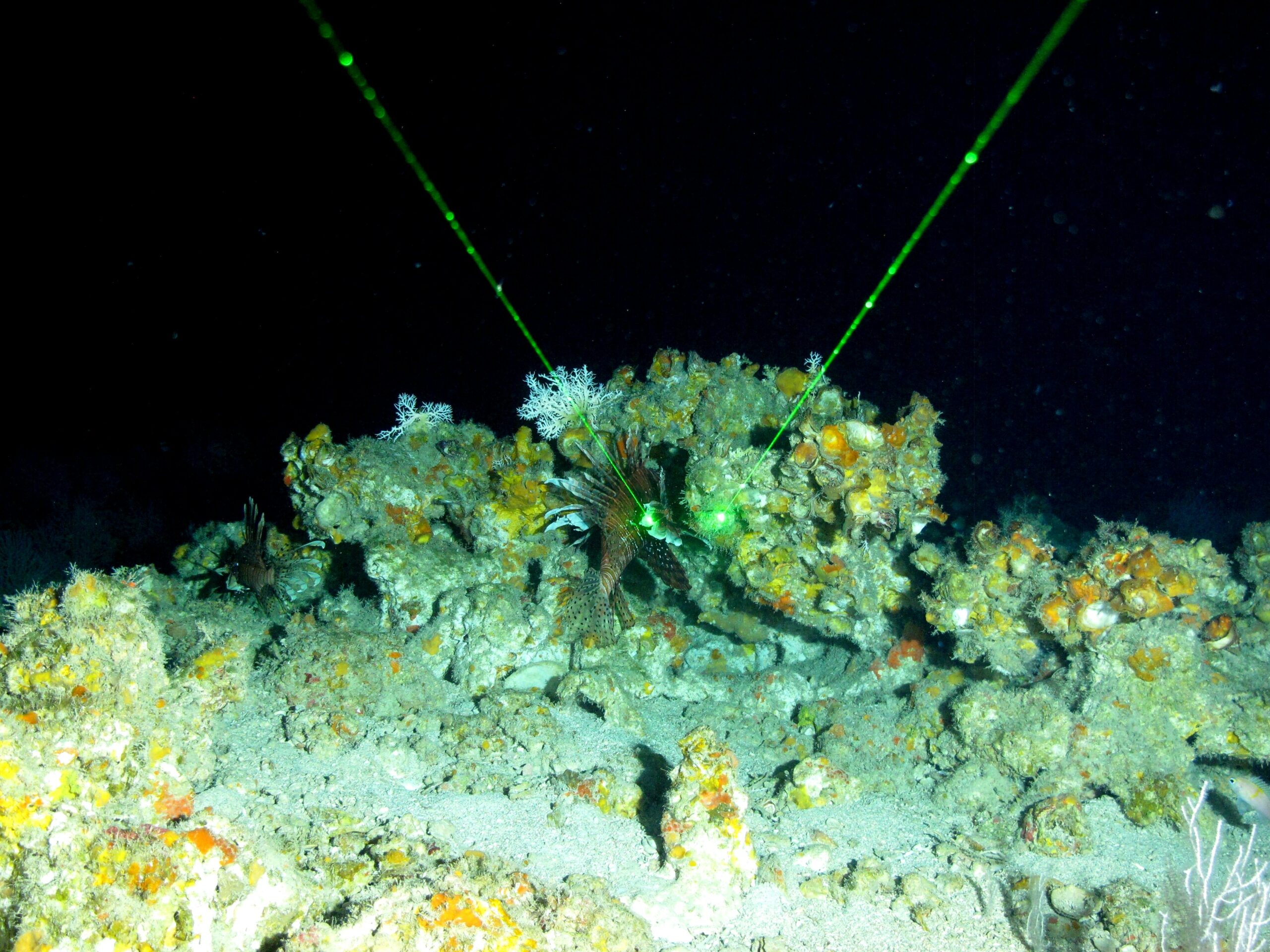
Photo by NOAA
A large-scale deep-sea mining trial has caused a 37% decline in the abundance of animals living on the Pacific Ocean floor, according to the most comprehensive study of its kind published in Nature Ecology & Evolution. The research provides critical evidence as international regulators debate whether to permit commercial seabed mining.
Scientists from the Natural History Museum, University of Gothenburg and National Oceanography Centre studied the effects of a prototype mining machine operated by The Metals Company. The October 2022 trial at 4,280 metres depth removed over 3,000 tonnes of polymetallic nodules, rocks containing nickel, cobalt, copper and manganese, across 80 kilometres of seafloor in the Clarion-Clipperton Zone.
The team collected 4,350 animals across four expeditions, identifying 788 species, of which 90% were previously unknown to science. Lead author Eva Stewart explained that “the machine removes about the top five centimetres of sediment. That’s where most of the animals live.”
Within the mining tracks, animal numbers declined by 37% and species richness fell by 32%. The creatures affected included worms, crustaceans, snails and clams. In areas where disturbed sediment settled away from tracks, overall abundance remained stable but species dominance shifted.
Dr Adrian Glover, senior author from the Natural History Museum, told BBC News he was expecting “possibly a bit more impact” from sediment plumes, observing “just a shift in which species were dominant over others.”
Reaction has been divided. A Metals Company spokesperson stated the data showed “any biodiversity impacts are limited to the directly mined area.” However, Dr Patrick Schröder from Chatham House argued the study shows “current technologies for harvesting are too damaging to permit large-scale commercial exploration.”
Thirty-seven countries currently support a temporary mining ban. The International Seabed Authority has issued 31 exploration licences but has not approved commercial operations. In April, US President Donald Trump called for projects to be fast-tracked, while Norway postponed its Arctic mining plans this week.