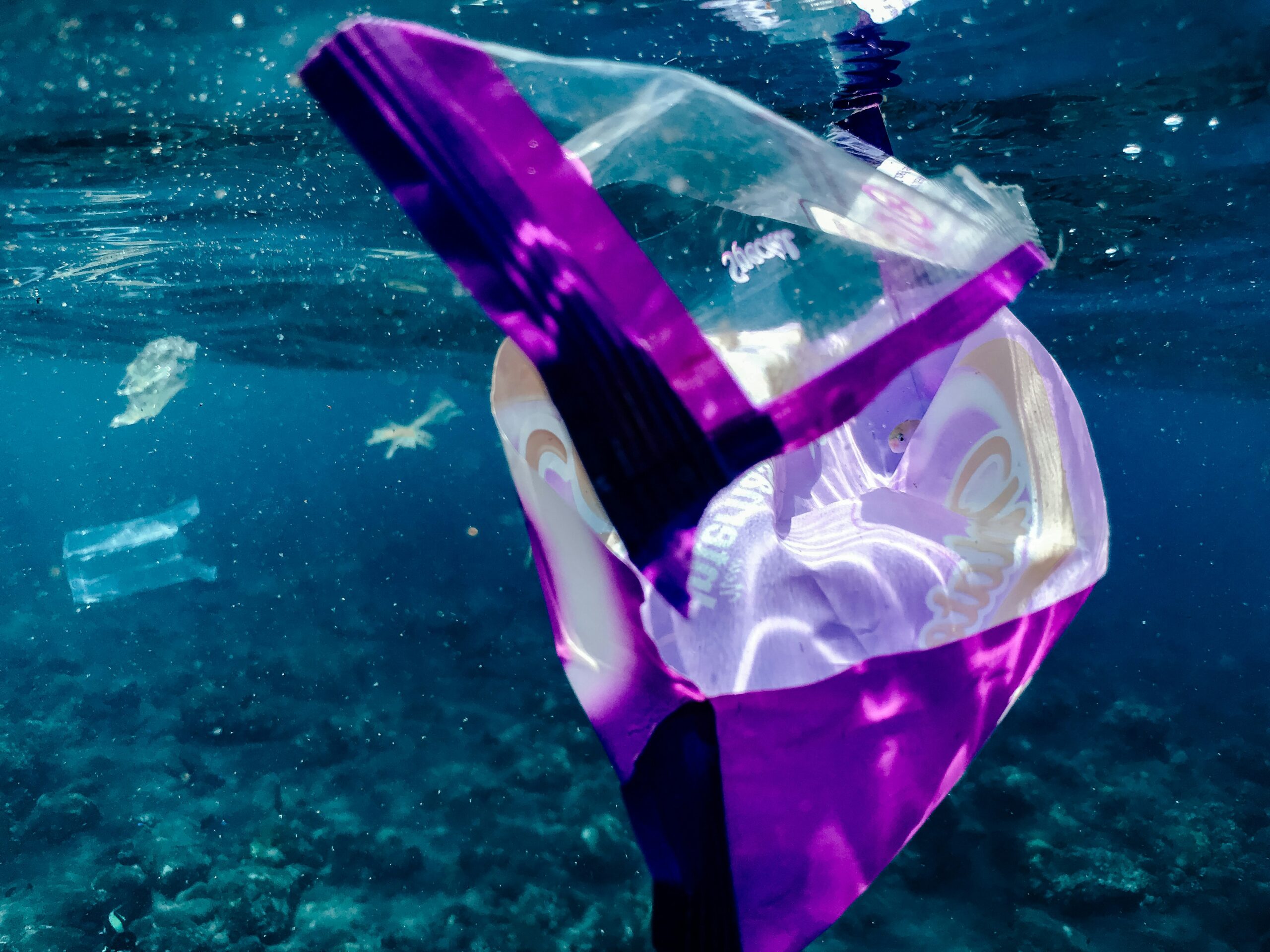
Photo by Maja Bertolt Jensen
The European Union has agreed the world’s first limits on seafloor litter, marking a significant step towards reducing marine pollution in a move endorsed by EU marine directors on 27-28 November.
Under the new rules, no more than one item per 1,000 square metres will be permitted in areas under visual monitoring, according to an agreement reached on Thursday. Governments also agreed there should be no increase in litter over time in areas of the European seafloor monitored with trawl surveys. Current assessments will focus on waters up to a depth of 200 metres.
Frédérique Mongodin, a marine pollution expert at the campaign group Seas At Risk, told Euractiv that her organisation was “very happy” that there is a target based on visual monitoring techniques. The deal pushes EU countries to “look into new technologies of monitoring”, she argued, noting that checking litter presence on the seafloor by trawling only adds to the damage caused by fishing vessels.
With the limits now agreed at the technical level, EU coastal states must follow through by setting out concrete preventive measures in national strategies mandated under the Marine Strategy Framework Directive (MSFD). The directive is scheduled for revision in 2027, with the overhaul expected to slash reporting requirements and improve data management.
Marine litter, especially plastic pollution, poses “one of the most serious environmental issues facing the world’s oceans”, threatening marine wildlife, harming coastal tourism, fisheries and aquaculture, and posing risks to human health and well-being. Much of the litter found on beaches or floating at the surface eventually sinks to the seabed.
The thresholds were developed by the Technical Group on Marine Litter under the MSFD and follow an earlier decision to establish a limit of no more than 20 litter items per 100 metres of coastline. A recent report showed that marine litter quantities have dropped by 29% in 2020-21 compared to 2015-16. However, the European average in 2020-21 remained 10 times above the limit, at 203 items per 100 metres of coastline.
The ocean conservation group Oceana told Euractiv that prevention was the best way to address marine pollution, stating that “real progress depends on upstream action – production, marketing, and improper disposing. This is the only way to safeguard marine habitats, particularly deep-sea ones”.
The announcement coincides with the publication of new research in Marine Pollution Bulletin calling for a global monitoring system to address marine litter, particularly on seafloors where the vast majority accumulates. The study warns that the seafloor serves as “the ultimate dumping ground” for marine debris.
The research emphasises that reducing marine litter requires implementing standardised monitoring systems, agreeing on common methods and protocols for data collection, and categorising all components of marine debris. This represents a tremendous scientific, political and social effort at the international level, particularly given what remains unknown about deep ocean pollution.
Professor Canals, director of the University of Barcelona Chair on Sustainable Blue Economy and co-author of the study, explained that “in developing countries, which lack robust waste management systems, the dumping of waste into the natural environment—and consequently along the coast and into the sea—is common”.
Nearly all seas and oceans are affected by marine litter, much of which reaches them via rivers. The rivers contributing the most waste are located in southern Asia—including the Amur, Hai, Yellow, Yangtze, Pearl, Mekong, Ganges and Indus systems—and in Africa, including the Niger and the Nile.
The EU stated that technical work will continue in coming years, including the possibility of setting additional limits for the most harmful types of litter and extending monitoring to deeper waters.