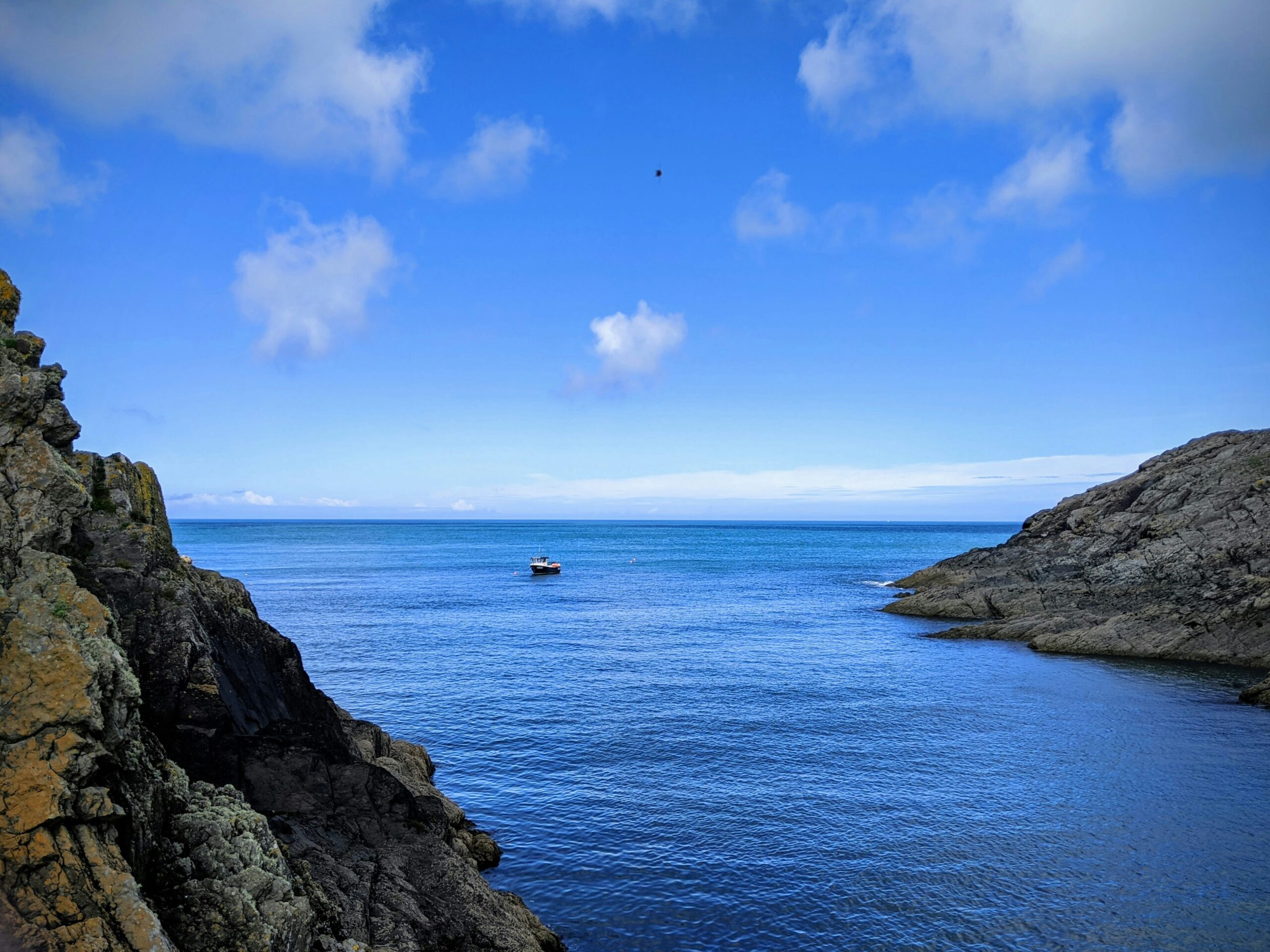
Photo by John Mark Strange
The Welsh Government has granted Section 36 consent to the Llŷr Wind Farm, a floating offshore wind test and demonstration project in the Celtic Sea off Pembrokeshire, in what it describes as the first major offshore wind approval issued by the new Welsh administration. The consent, announced on 7 August, clears the way for developer Cierco Energy to move the project towards construction, with first power generation targeted for 2031.
Two test technologies, one project
Llŷr comprises two separate 100MW schemes, Llŷr 1 and Llŷr 2, sited around 40 kilometres off the Pembrokeshire coast in water depths of 60 to 70 metres. Each will use up to 10 floating turbine generators of up to 325.5 metres in tip height, with the two projects trialling different floating foundation and mooring technologies side by side. Llŷr was one of two schemes selected under the Crown Estate’s 2021 leasing round for early commercial-scale floating wind in the Celtic Sea, and had already secured a marine licence from Natural Resources Wales in June and signed an agreement for lease with the Crown Estate in July, ahead of this month’s consent.
Cierco Energy chief executive Scott Harper welcomed the decision as a milestone for the region: “Securing Section 36 Consent is a fantastic achievement for Llŷr and for Wales,” he said. “As one of the Celtic Sea’s first offshore wind test and demonstration projects, Llŷr will help position South West Wales as a global hub for offshore wind innovation, advanced engineering, and clean energy expertise. This project not only accelerates Wales’ transition to renewable energy, but also creates opportunities for local businesses, ports, universities, and the wider supply chain – building the capabilities needed for future large-scale deployments and international growth.”
Government frames it as economic catalyst
Cabinet Minister for Enterprise, Connectivity and Energy Adam Price cast the approval as a milestone for the Welsh economy, saying the project would help deliver good jobs locally. “Major offshore wind projects such as this important scheme can be catalysts for economic growth and prosperity,” he said. “We will work with the company to ensure this project will deliver high-quality jobs to people in Wales, which directly aligns with our mission to boost productivity. This project marks a major milestone for Wales’ clean energy aspirations.” The Welsh Government estimates the construction phase will create around 2,000 jobs, with further skilled employment once the wind farm is operational, and has pointed to opportunities for local ports, universities and the supply chain.
The approval followed months of pressure from industry to move quickly. Marine Energy Wales, an industry group, had urged the Welsh Government in July to make “a positive and timely decision”, noting that Llŷr needed consent by 20 July 2026 to have a chance of meeting the deadline for the UK Government’s eighth Contracts for Difference Allocation Round. That deadline was missed, but the group argued the wider prize was strategic: “Wales has an important opportunity to strengthen its position in the growing global offshore wind industry by enabling pioneering projects such as Llŷr to move forward.”
Wider Celtic Sea tensions
Llŷr sits within a much larger push to develop floating wind across the Celtic Sea, an area with potential for up to 20GW of capacity by 2045, according to research cited by the Crown Estate. That scale of development has unsettled parts of the fishing industry, even where individual projects such as Llŷr are small in scope. The Cornish Fish Producers’ Organisation, representing vessels that fish Celtic Sea waters further east, has previously warned that the cumulative expansion of offshore wind represents what chief executive David Stevens called “probably the greatest change to our fishing patterns and businesses we’re ever going to encounter”, with fishers fearing they will be squeezed out of already busy grounds as more of the seabed is leased. The CFPO has separately called on the Crown Estate to ensure a smooth handover process and a code of conduct for developers as leasing rounds progress.
Community and environmental engagement has also shaped the project locally. During pre-application consultation, the Pembrokeshire Coast National Park Authority welcomed Cierco’s education and schools outreach work and pressed for a community fund to benefit areas most affected by construction traffic, particularly Pembroke. Wildlife Trusts Wales, which campaigns more broadly for marine spatial planning that protects wildlife alongside development, has argued that offshore wind, fishing, oil and gas and other seabed uses need co-ordinated planning so that industry gets certainty over where it can operate while space is preserved for marine life to recover.