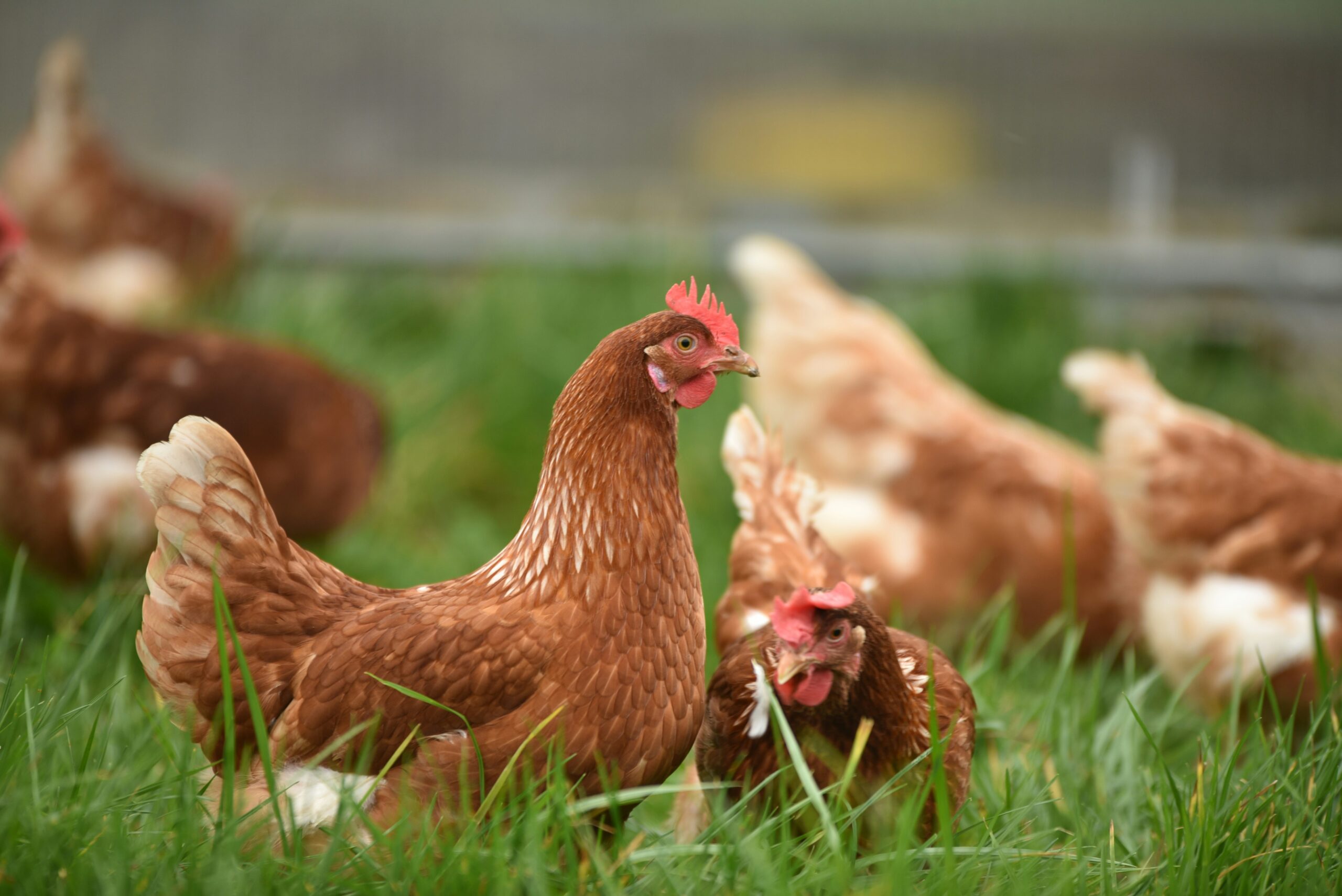
Photo by Thomas Iversen on Unsplash
The High Court has begun hearing on of the UK’s biggest ever environmental pollution claims, concerning the rivers Wye, Lugg and Usk.
Avara Foods, one of the UK’s largest chicken producers, and Welsh Water stand accused of negligence, causing private and public nuisance and even trespass, in a group legal claim that blames the spreading of chicken manure on farmers’ fields and sewage spills for the declining state of the rivers. Their claim demands that action be taken to improve the state of the rivers, and compensation be paid to those whose lives and businesses have been affected.
The declining state of the Wye
The River Wye is one of the UK’s longest and most celebrated rivers. However, in 2023, Natural England, the UK government’s official advisory body, rated the condition of the River Wye as “unfavourable – declining”. The follow-up River Wye Action Plan in 2024 blamed excessive nutrients from farming and wastewater discharges as well as climate change for increasing the water temperature and reducing the water flow in hot dry summers.
Landmark claim is biggest UK’s ever seen over environmental pollution
Campaigners have long pointed to the rapid expansion of industrial chicken farming near the River Wye, where around 24 million chickens being raised in the catchment area, equivalent to a quarter of the UK’s entire chicken population.
In what is now being described as a landmark case against Avara Foods and Welsh Water, Justine Evans, the lead claimant, is suing both companies based on accusations of negligence, causing private and public nuisance and even trespass where the riverbed has been affected on a claimant’s property. The claim alleges that the combined inputs from sewage spills and chicken manure that frequently washes off the soil into waterways are causing the pollution, by introducing high levels of phosphorus, nitrogen and bacteria into the rivers. According to the claim, in warm weather this leads to a substantial growth of algae which cuts oxygen, suffocating fish and harming fauna, leading to key species deaths, as well as reduced growth and bad smells as it decays.
The BBC reports that more than 4,500 people who live or work near the rivers along the Welsh-English border have signed up to take part in the legal claim.
Legal firm Leigh Day is bringing the case on a no-win no-fee basis. They say that although it was arable farmers who spread the manure, Avara Foods and its subsidiary Freemans of Newent should be held responsible for the consequences: “The claim alleges the poultry companies that are being sued in this claim knew what the outcome of their operations were going to be when they expanded the poultry production in this area,” Celine O’Donovan, one of the Leigh Day lawyers, told BBC News.
“As a result, the responsibility for the decline of these rivers needs to lie with the people that knew what was going to happen and have made the money from it and controlled the supply chain that resulted in it.”
Defendants say the claim is “misconceived” and “misguided”
However, lawyers for Avara Foods have attacked the claim that they are responsible for pollution in the River Wye and River Usk, saying it was “entirely inferential and is an oversimplification”.
In a statement Avara Foods said the allegations were “misconceived” and that it was “confident in our position and believe the claim is unsupported by any proper scientific basis.” It said that river health is affected by “multiple factors” and that phosphorus levels had fallen since the early 1990s. Their barrister argues those bringing claims should set out how they had been personally affected and the approximate date it began
Welsh Water said the case was “misguided” and that it had invested £76m on reducing nutrient levels on the Wye, Lugg and Usk between 2020 and 2025 and would invest £87m more from 2025 to 2030.
At a preliminary hearing on Monday, Judge Cook reportedly described the claim as an “omnibus” on which “anybody can get on board”. He continued: “I was quite frankly taken aback by how the claimants have gone about this.”