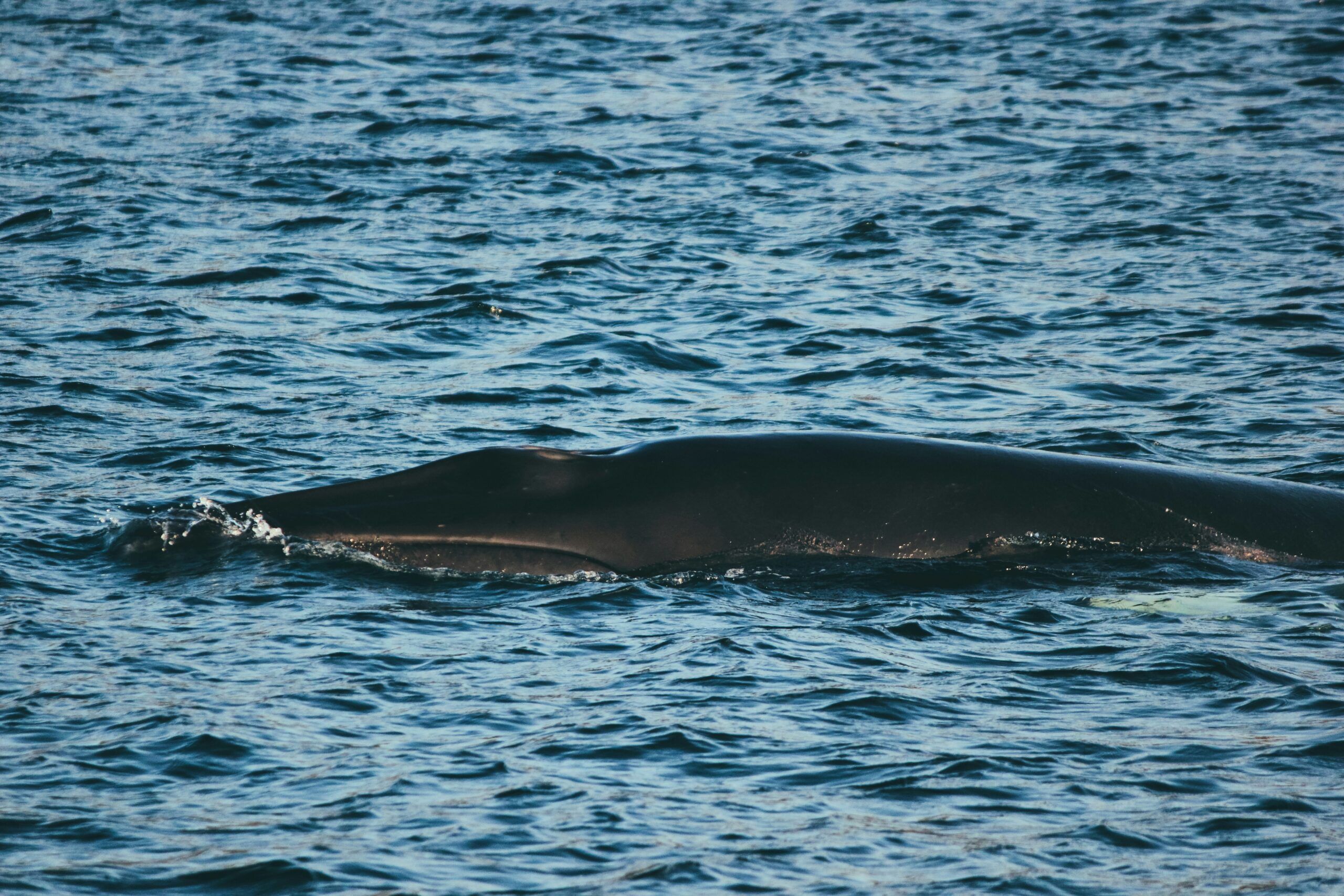
Photo by Roman Manshin
A major new report has concluded that the UK’s whales, dolphins and porpoises are being let down by legal protections that exist on paper but not in practice, with the North Sea, one of the most important cetacean habitats in UK waters, identified as a particular area of concern.
The report, Priority Actions for North Sea Cetaceans 2026, published by The Wildlife Trusts on 27 April, finds that while large stretches of UK seas carry designated protected status, the legal safeguards underpinning them are in many places too weak, too poorly enforced, or too slow to keep pace with the threats these animals face.
A hotspot under pressure
The greater North Sea marine region regularly supports at least eight species of whale, dolphin and porpoise, with a further seven recorded on an occasional basis. The most commonly encountered are harbour porpoises, white-beaked dolphins and minke whales. Critical feeding grounds lie within the region, including Dogger Bank – the vast shallow sandbank off England’s east coast – and the waters off Flamborough Head, the chalk headland that juts eight miles into the North Sea from the Yorkshire coast. Despite their ecological importance, both areas remain exposed to intensive fishing activity and ongoing marine development.
The two most significant threats identified in the report are accidental entanglement in fishing gear, which causes hundreds of avoidable deaths each year, and underwater noise from shipping and offshore development, which disrupts cetaceans’ ability to feed, navigate and communicate.
Inadequate action
Ruth Williams, head of marine conservation at The Wildlife Trusts, said: “Our report reveals that action to protect dolphins, porpoises and whales is wholly inadequate. Simply designating areas as protected sites is not enough; what’s needed now is real action if whales, dolphins and porpoises are to flourish in our waters once more.
“That means managing our existing Marine Protected Areas, including those in the North Sea, more effectively to reduce the most harmful fishing practices, cut underwater noise from ships and offshore developments, better protect important feeding areas, and improve how we monitor these animals. If governments and industries act on the evidence already available, we can quickly reduce harm and give North Sea cetaceans a real chance to recover. However, without faster, clearer action, the UK risks falling further behind in protecting some of its best-loved marine species.”
Bex Lynam, marine advocacy manager at North Sea Wildlife Trusts, told the BBC the UK needs to “do much more” to protect dolphins, whales and porpoises.
A strategy without targets
The findings arrive just months after the UK government published its Cetacean Conservation Strategy in December 2025, committing to the protection of all 28 species of whale, dolphin and porpoise found in UK seas. The Wildlife Trusts acknowledge this as a step forward, but note that the strategy contains no clear targets or deadlines – a gap they warn risks rendering the commitment largely symbolic. The EFRA Committee has previously raised similar concerns about the adequacy of cetacean protection in UK waters.
In response to the report, a Defra spokesperson said the government was already “taking action” and pointed to work with fisheries to develop safer fishing gear and reduce abandoned gear. The department also cited growing grey seal populations and a fall in the amount of plastic ingested by seabirds as signs of recovery.
What the report calls for
The Wildlife Trusts are calling on the UK government to improve enforcement and management of existing Marine Protected Areas; phase out the most harmful fishing nets and trial safer, more selective alternatives; and develop a national plan, led by DEFRA, to reduce underwater noise from shipping and offshore development, with clear limits to protect sea wildlife. The report also urges targeted measures at key hotspots, including temporary fishing restrictions during critical seasons and adjustments to shipping routes.
The full report, Priority Actions for North Sea Cetaceans 2026, is available on The Wildlife Trusts website.