Photo by Andy Castille
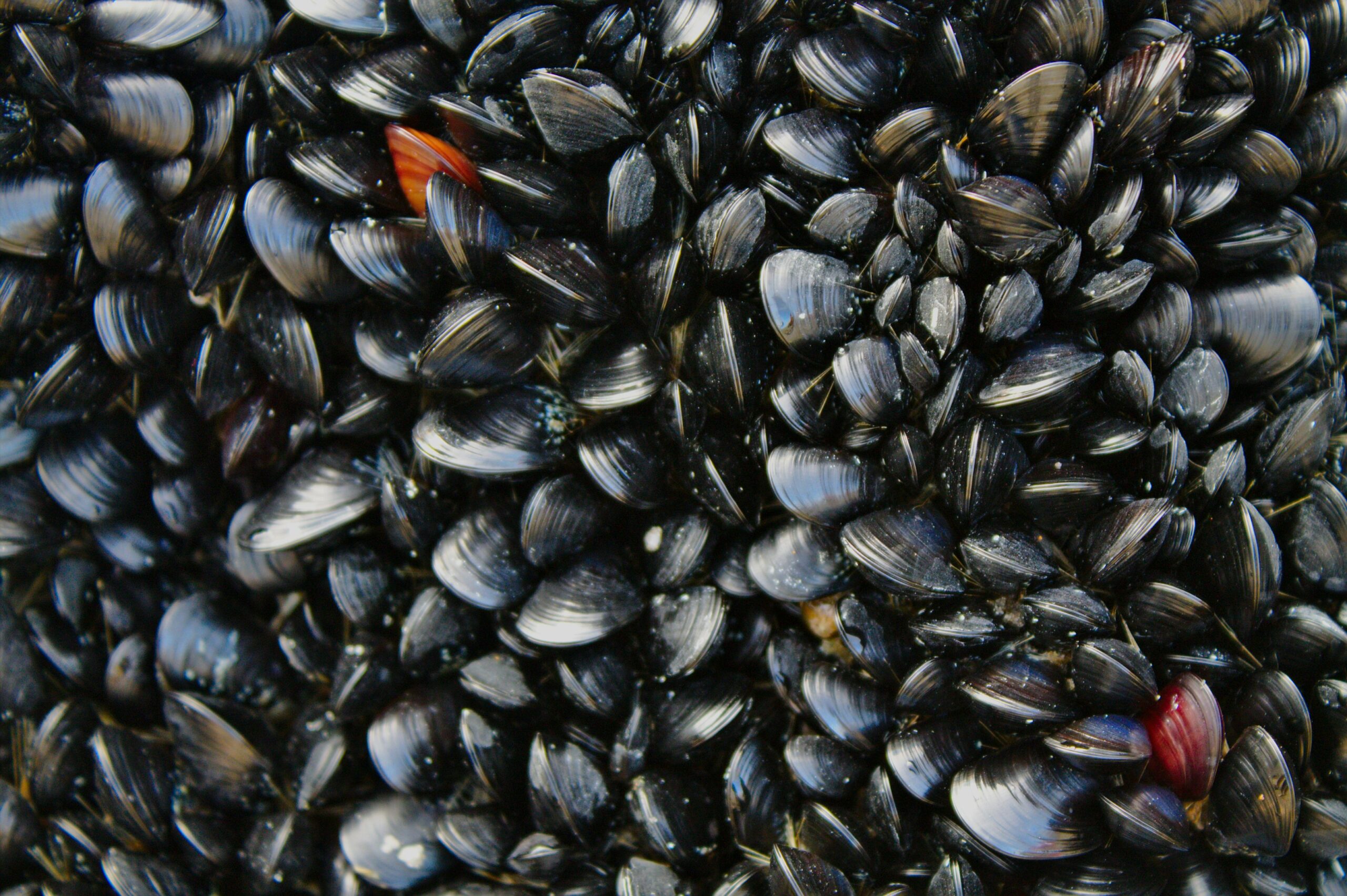
Five years after a ban on bottom trawling along the Sussex coast, scientists, fishers and conservationists are reporting the first meaningful signs of seabed recovery — with mussel beds stretching more than a kilometre and increasing numbers of black sea bream detected in underwater surveys.
The Sussex Kelp Recovery Project (SKRP), described as the UK’s largest marine rewilding programme, was established following the introduction of a byelaw in 2021 by the Sussex Inshore Fisheries and Conservation Authority (IFCA), prohibiting bottom trawling across more than 300 square kilometres of seabed between Shoreham and Selsey. By 2019, an estimated 96% of the kelp forests that once lined the Sussex coastline had disappeared — lost to decades of trawling, sedimentation, marine heatwaves and storm damage.
The SKRP described the project as having witnessed “a quiet but powerful transformation beneath the waves.” Kelp recovery coordinator George Short told the BBC: “It’s given me enormous joy to see this sign of hope in what is a time of really difficult environmental change.” She described the returning mussel beds as “really important because this is one of the habitats that the protection was put in place to recover”, and noted that one video survey had recorded 92 species in the protected zone.
Fishers notice the difference
For local fisherman Clive Mills from Bognor Regis, the recovery is personal. He recalled giving up fishing in 1999 because he “couldn’t make a living anymore”, adding: “You can’t keep fishing everything for today. There’s got to be something for tomorrow.” Now, more than two decades on, he says: “I’ve seen steady increases in bream stocks and more widely distributed shoals. And more bass — both juvenile and large. Marine life appears to be on an upturn.”
Science: cautiously optimistic
Dr Ray Ward, reader in marine sciences at Queen Mary University of London, said: “These first shifts matter. I’ve seen mussel beds covering huge areas — and it’s these structures that young kelp spores will attach onto.” He cautioned that rewilding “doesn’t happen overnight”, but said that “seeing increases in a commercially important species like the black sea bream through our underwater video surveys is a promising start.”
Ward also warned that ongoing threats — pollution, sedimentation, overfishing and climate-driven marine heatwaves — continue to pose risks to long-term recovery.
Clare Brook, CEO of Blue Marine Foundation, offered a broader perspective: “There is so much evidence from around the world that if you protect the marine environment, then life can bounce back. If you protect nature and give it the space to regenerate, then that is exactly what it does.”
Chris Corrigan, chief executive of Sussex Wildlife Trust, said: “Marine recovery has never been more urgent. We’re proud to be pioneering marine rewilding at scale here in Sussex with the support of thousands of local people.”