Photo by Karl Hanssens
Two developments this week have put Sussex’s marine conservation zones in the spotlight – one bringing new protections, the other raising fresh concerns about the integrity of a neighbouring site.
Trawling ban takes effect off Beachy Head
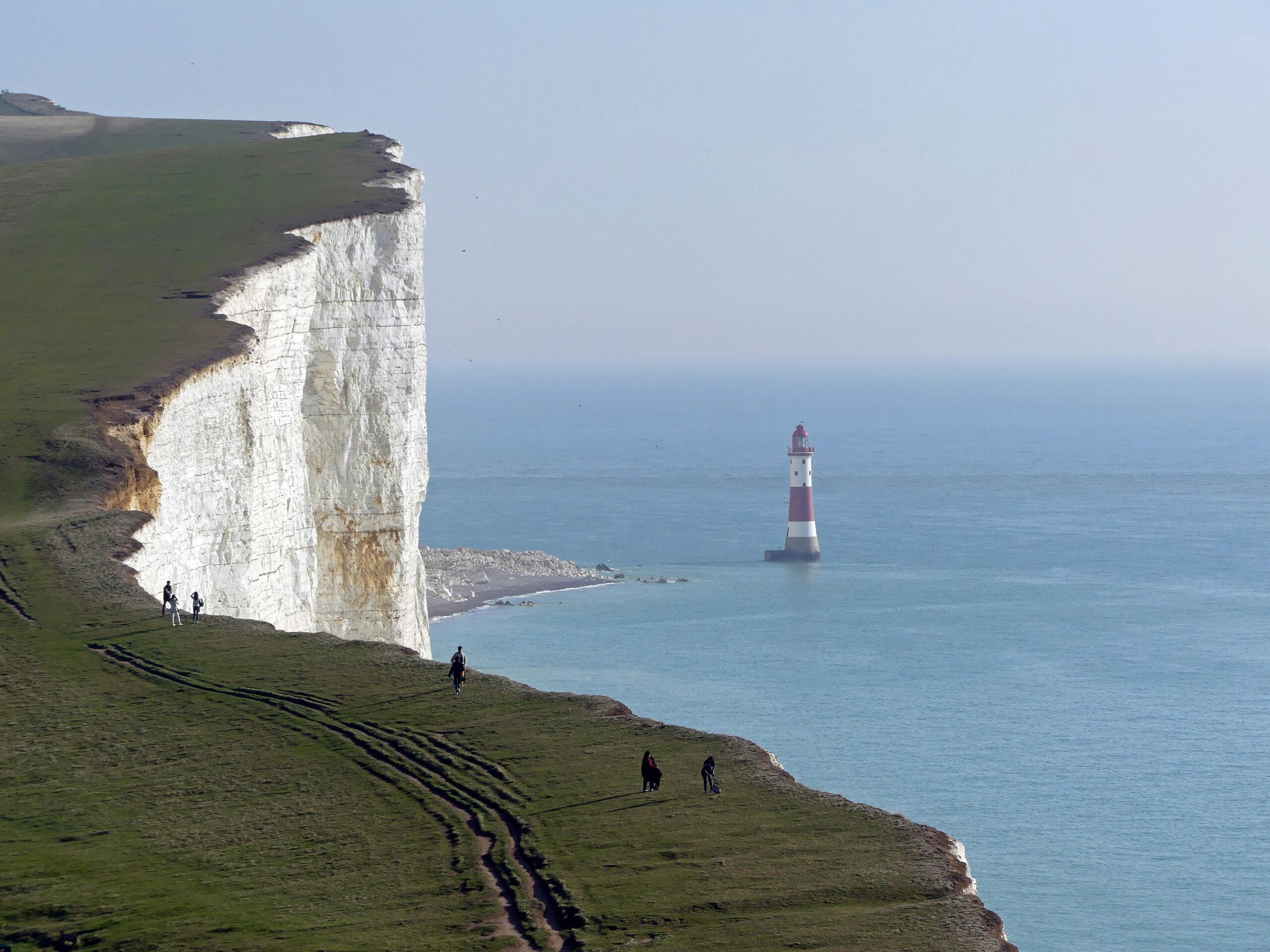
A new law banning trawling and scalloping in a zone of 101 square miles (164 sq km) off Beachy Head has been approved by the government. The area, part of the Beachy Head East Marine Conservation Zone (MCZ), is home to short-snouted seahorses, reef-building worms and globally rare chalk reef habitats. Trawls, seines, dredges and similar gear towed on or near the seabed are now banned from the 164 sq km zone 1 of the site, though vessels may still trawl in a 28 sq km zone 2 area where sensitive habitats are absent. Low-impact methods including nets, pots and rod and line fishing continue across the site.
The new bylaw builds on protections introduced five years ago. In March 2021, a bylaw prohibited bottom-towed gear across nearly 117 square miles (302 sq km) of waters between Shoreham-by-Sea and Selsey. Combined with the new ban, almost 30% of Sussex’s inshore waters are now protected from trawling.
Robert Pearson, chief fisheries and conservation officer at Sussex IFCA, said the authority had been “conscious of striking the delicate balance between ensuring the preservation and enhancement of our valuable marine habitats, whilst minimising impacts on our small scale inshore fishers.” Dr Lewis White, Seascape Research Lead for Sussex Bay, said the zone was “a real opportunity to show how effective, evidence-led management can restore marine ecosystems while continuing to support sustainable fishing communities,” adding: “Protecting these chalk reef habitats is critical: once lost, they cannot be replaced.”
Conservation groups point to encouraging results from the 2021 bylaw. Sussex Kelp Recovery Project researchers have reported increases in populations of lobster, brown crab, angel shark and short-snouted seahorse in the controlled area. Since the first no-trawl law came into force, Sussex IFCA has not had to issue any warnings or prosecutions.
Enforcement officer James Tapley says that on patrol he watches for vessels in protected zones travelling at around “three to four knots”. “Imagine they’re dragging a big heavy trawl behind them or heavy scallop dredges,” he said. “They simply can’t go any faster through the water.”
Not everyone welcomes the measures. Trawlerman Michael Scott, who has fished out of Newhaven for more than half a century, said: “Every closed area there is, income goes.” He believes the Beachy Head East MCZ is the “biggest area” that will be closed to trawlers and is sceptical that migrating fish stocks will return meaningful benefits.
Brighton Marina dumping plan draws 6,000 objections
Further west along the Sussex coast, a separate conservation battle is under way. More than 6,000 people have responded to a public consultation on whether Brighton Marina should be permitted to dispose of dredged sediment in the Beachy Head West Marine Conservation Zone, which runs parallel to the coast between Brighton and Eastbourne, and is also home to short-snouted seahorses.
Sussex Wildlife Trust, which described the zone as a “nationally important wildlife hotspot”, called the public response “remarkable.” Sarah Ward from the trust said it sent “a very clear message about how seriously the public takes the protection of our Marine Conservation Zones.”
Premier Marinas, which owns Brighton Marina, applied for a one-year interim licence to dredge in March after a previous application was quashed on procedural grounds, saying the temporary licence was needed while a “longer-term solution” was determined. A spokesperson for the company said dredging was needed to keep the site safe for boats and that “all dredged sediment is tested and subject to strict licensing controls.” Spokesperson Katie Sullivan added: “We recognise that people care deeply about the local marine environment, and we share that concern. Brighton Marina has operated alongside this coastline for decades, and protecting it is fundamental to how we operate.”
Campaigners have previously reported that a “black, thick, slimy, petrochemically smelling sludge” filled rock pools following dumping, and there have been protests against the practice. The Marine Management Organisation, which ran the consultation that closed on 6 April, said all responses would be “carefully considered” before a decision on the licence is made.