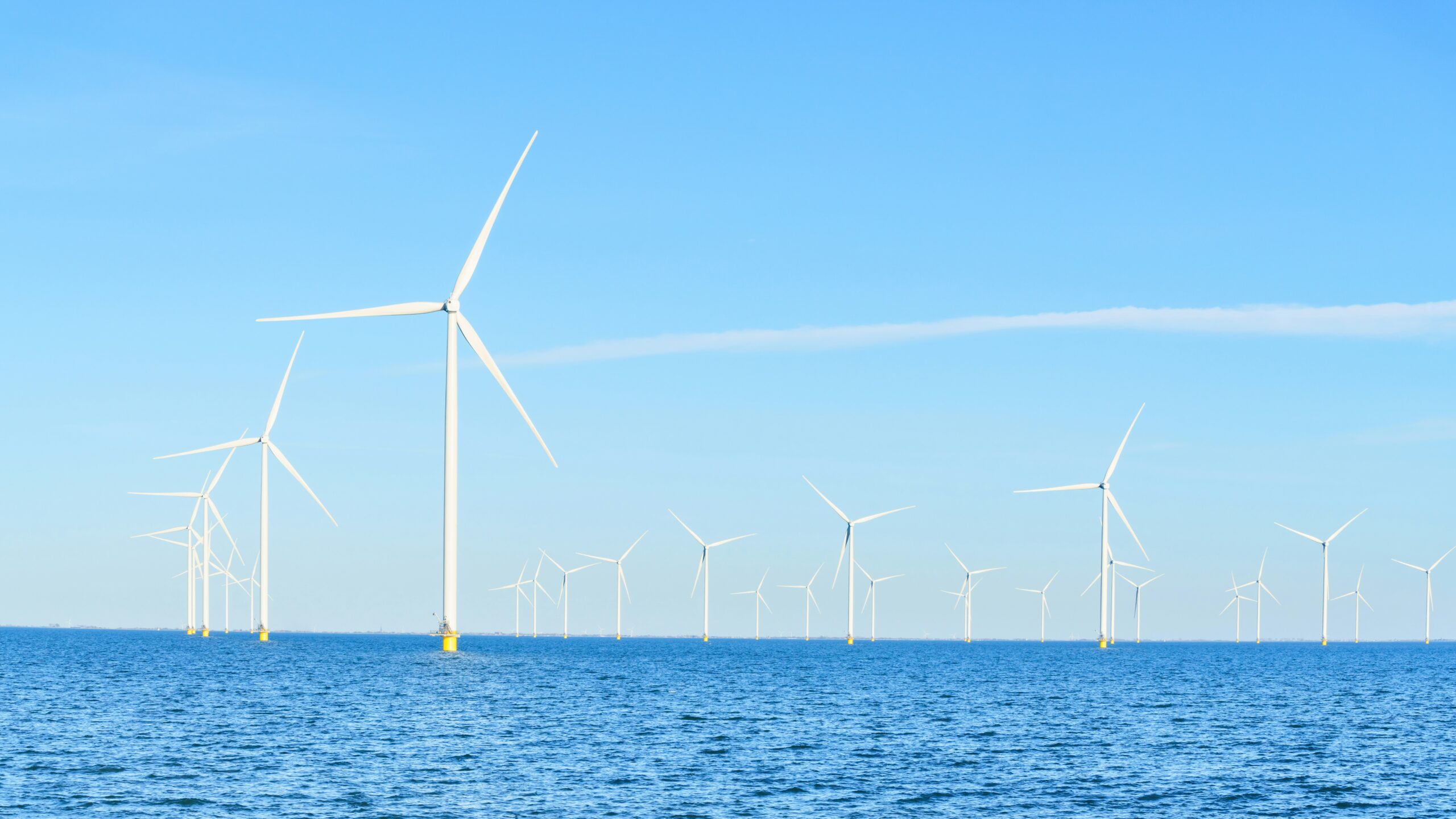
Photo by Viktor Hesse
The UK Supreme Court has unanimously ruled against Ørsted in a landmark tax dispute, finding that nearly £50m spent on surveys and studies during the development of four offshore wind farms does not qualify for capital allowances. The Danish developer has warned the ruling weakens the business case for offshore wind and has called on the government to revisit the relevant tax legislation.
The case, Orsted West of Duddon Sands (UK) Limited and others v Commissioners for His Majesty’s Revenue and Customs ([2026] UKSC 12), centred on whether costs incurred for environmental, geotechnical, metocean and other pre-construction surveys qualified as capital expenditure “on the provision of plant” under section 11(4) of the Capital Allowances Act 2001. The court ruled they did not.
What the court decided
Delivering the judgment, Lady Rose said the word “on” in the legislation “requires a close connection between the expenditure and the plant provided.” She concluded that the surveys and studies had “only a tangential connection with the diminishing value of the windfarm assets” and therefore fell outside the qualifying test.
The ruling restores a narrow reading of the allowance after the case travelled through multiple levels of the courts. The First-tier Tribunal had allowed most of Ørsted’s claims; the Upper Tribunal rejected all of them; the Court of Appeal allowed almost all. The Supreme Court sided with HMRC in full.
Industry implications
The decision extends well beyond Ørsted. Any developer or infrastructure investor that commissions environmental assessments, geotechnical surveys or other preparatory studies as part of a major capital project cannot treat those costs as qualifying expenditure on plant and machinery. For large-scale offshore wind projects, where such work can run to many millions of pounds, the judgment closes off a significant potential route to tax relief.
Ørsted’s response
In a statement, an Ørsted spokesperson said: “We respect the decision by the UK Supreme Court and will take the necessary steps to reach a final resolution with the authorities regarding the projects subject to the decision.” The company said the direct financial impact on the projects in question was limited, but warned that “the outcome in this case is regrettable, creating less favourable conditions for the development of critical infrastructure projects such as offshore wind.” The spokesperson added: “We also urge the UK government to resume work on revising the tax legislation in this area.”
One question was left open by the court: whether final technical drawings and specifications could qualify for capital allowances was not addressed, with Lady Rose noting the issue did not arise in this appeal and that she expressed no view on it.