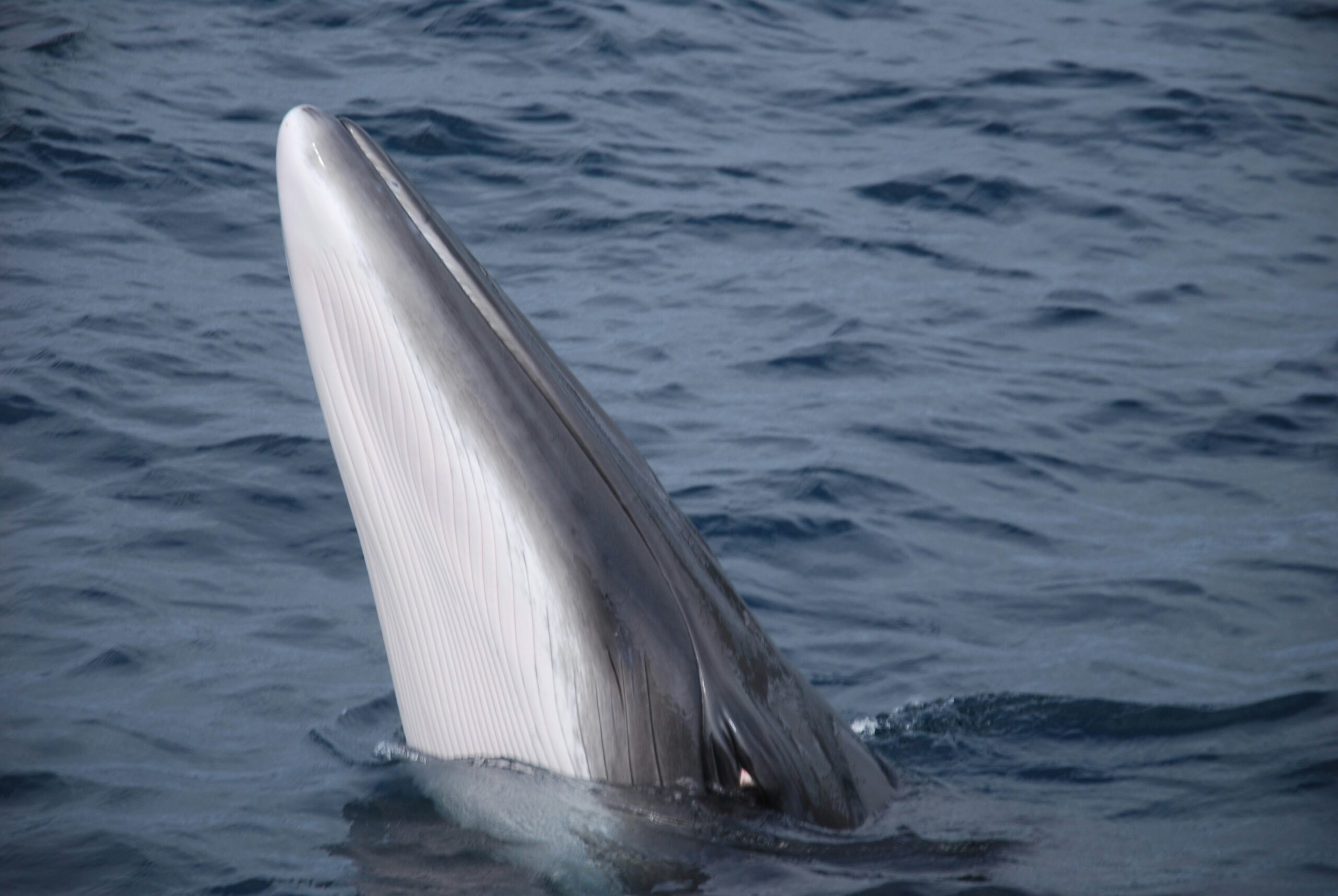
Photo by Igor Francetic
Three ScotWind offshore wind developers have joined forces with Crown Estate Scotland and NatureScot to fund a two-year acoustic study of minke whale activity in a marine protected area that lies directly in the path of planned grid connection infrastructure off the Aberdeenshire coast.
The study, led by the Scottish Association for Marine Science (SAMS), is focused on the Southern Trench Marine Protected Area, a 239,800-hectare site designated in December 2020 and named after a glacially carved trench running 58 kilometres along the seabed off the north-east Scottish coast, reaching depths of 250 metres. The MPA was specifically designated to protect a resident population of minke whales, as well as burrowed mud habitats and Quaternary geodiversity features.
The research is being co-funded by the ScotWind projects Broadshore Offshore Wind Farm, Caledonia Offshore Wind Farm and Muir Mhòr Offshore Wind Farm, all of which are planning export cable routes through or near the protected area to connect to the onshore grid.
Filling a critical data gap
Monitoring equipment, including underwater broadband acoustic recorders and acoustic release units, has been deployed at three locations within the MPA using vessels operated by Marine Environmental Solutions. The passive acoustic monitoring (PAM) campaign is designed to establish baseline data on the seasonal presence and movement of minke whales before any offshore wind-related construction begins.
Anja Wittich, project manager at SAMS Enterprise, said the team had already completed an initial round of data collection: “So far, our team has successfully retrieved and re-deployed three acoustic devices covering the summer and autumn of 2025 in the Southern Trench marine protected area as we seek to better understand the habits of these magnificent marine mammals. With the information we can provide the best insights possible into the minke whale movements and can then take the necessary steps to understand potential impacts.”
Despite the MPA’s designation, researchers have noted that limited data currently exists on when minke whales arrive in the area and how extensively they use it across different seasons, a gap the PAM study is specifically intended to address before construction activity commences.
Balancing energy and conservation
The study reflects a growing recognition across the Scottish offshore wind sector that the rapid pace of ScotWind development requires more detailed ecological baseline data if it is to proceed without serious harm to protected species. The Moray Firth has long been identified as a key seasonal feeding ground for minke whales, and scientists from the Cetacean Research & Rescue Unit have previously emphasised the importance of scheduling the most disruptive construction activities for periods when animals are likely to be absent, and of closer collaboration between developers and marine mammal scientists.
The developers said the research is intended to inform the design of mitigation measures for their offshore wind projects while contributing more broadly to the protection of marine species in Scottish waters. Results from the study will feed into the consenting processes for the three wind farms’ export cable infrastructure.