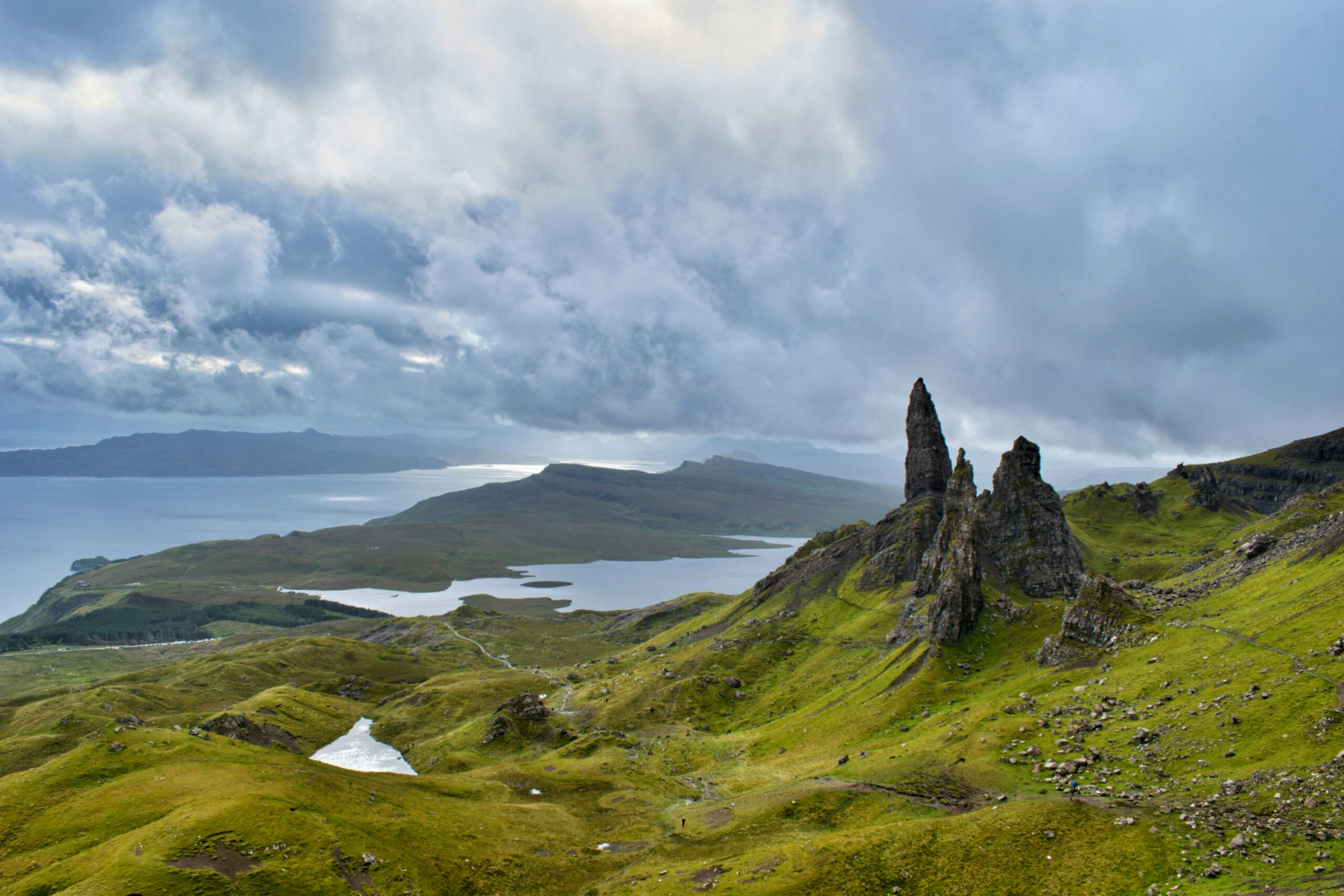
Photo by Daniel Tonks
The Scottish Parliament has passed the Natural Environment (Scotland) Bill, establishing Scotland’s first statutory biodiversity targets and committing the nation to becoming ‘nature positive’ by 2030. The legislation, approved by 90 votes to 26 at Stage 3 on 29 January 2026, represents what ministers are calling the strongest statutory framework Scotland has ever had for nature recovery.
Cabinet Secretary for Climate Action and Energy Gillian Martin described the Bill as a turning point: “This Bill creates the strongest statutory framework Scotland has ever had for nature recovery and is the result of constructive work across the Parliament – sending a clear message that the Scottish Parliament stands firm in our commitment to protect and restore our precious natural environment.”
Statutory targets to drive nature recovery
The new Act places a legal duty on Scottish ministers to set binding nature restoration targets covering habitat condition and extent, threatened species status, and environmental conditions for nature regeneration. When set, these targets will ensure Scotland has “actively and substantially restored nature by 2045 in a way that works for communities the length and breadth of Scotland.”
Martin emphasised the accountability mechanisms: “By putting nature targets into law, we are ensuring that the government can be held to account for delivering real, measurable change. Scotland’s natural environment underpins our economy, our wellbeing and our quality of life. Protecting it is not optional – it is essential.”
Environmental Standards Scotland will undertake a quality assurance role in monitoring progress towards the targets, providing accountability mechanisms similar to those established for climate change commitments. The framework legislation approach means that whilst the Bill establishes the requirement for statutory targets, the specific quantitative details will be set through secondary legislation, allowing for flexibility whilst maintaining parliamentary scrutiny.
Implications for land and sea
Marine conservation experts have welcomed the legislation’s scope across both terrestrial and marine environments. The Bill fulfils a long-standing commitment to establish statutory targets that cover land and sea, addressing what conservationists have identified as critical gaps in Scotland’s approach to ocean recovery.
The legislation also modernises deer management provisions, updates National Parks legislation, and grants ministers new powers to develop legislation relating to wildfire management, sustainable forestry management, and internationally important protected sites. Notably, the Act includes a requirement for swift nest boxes to be installed in all new buildings, supporting urban biodiversity for these cavity-nesting birds under significant pressure.
Deer management reforms balance ecology and economy
On deer management, Agriculture Minister Jim Fairlie emphasised the Bill’s economic potential: “I want to see venison at the heart of our approach to deer management, and the provisions in this Bill will help us maximise the opportunities this can bring for rural Scotland.”
The Bill implements many recommendations from the independent Deer Working Group’s 2019 report, including removing licensing requirements for venison dealing to stimulate local markets and amending NatureScot’s intervention powers where deer populations are impacting environmental restoration work. Unsustainable deer populations have been identified as one of the biggest barriers to nature restoration and habitat recovery, causing overgrazing and preventing woodland regeneration.
Fairlie continued: “This Bill provides better tools to manage our deer populations in a way that benefits both the environment and rural communities and creates business opportunities. If we want healthy communities, sustainable food production and vibrant rural industries in the future, we need thriving ecosystems today.”
Land sector response: optimism with caveats
Ross Ewing, Director of Moorland and Strategic Projects at Scottish Land & Estates, said there were “grounds for optimism following late amendments to the Bill,” particularly the removal of a presumption in favour of NatureScot using its intervention powers.
He welcomed the engagement shown during the Bill’s final stages: “There are grounds for optimism following late amendments to the Bill, and we appreciate the time taken by government and parliamentarians to engage with us, listen to concerns and strengthen the workability of the legislation.”
However, Ewing cautioned that achieving environmental outcomes at scale would require more than regulation alone: “Delivering environmental outcomes at scale will continue to depend on partnership, trust and practical support.” He added that the Bill could have gone further by focusing on incentives rather than enforcement.
Addressing the twin crises
The Act forms a key component of the Scottish Government’s Strategic Framework for Biodiversity, which includes over 100 actions to tackle what Cabinet Secretary Martin described as the twin crises facing the nation: “Biodiversity is in crisis, both globally and at home, but Parliament’s vote to pass the Bill shows we are determined to chart a different course.”
She continued: “This Bill commits us to becoming nature positive by 2030 and restoring our natural environment by 2045. It is vital that future generations do not inherit the consequences of inaction and, instead, inherit a legacy of commitment and hope.”
The passage of this legislation comes as Scotland joins other nations in responding to the global biodiversity crisis, with around 11% of Scottish species currently under threat. The Act will also restore powers lost following Brexit to amend Environmental Impact Assessment legislation and the Habitats Regulations, ensuring these frameworks remain fit for purpose in protecting Scotland’s natural heritage.