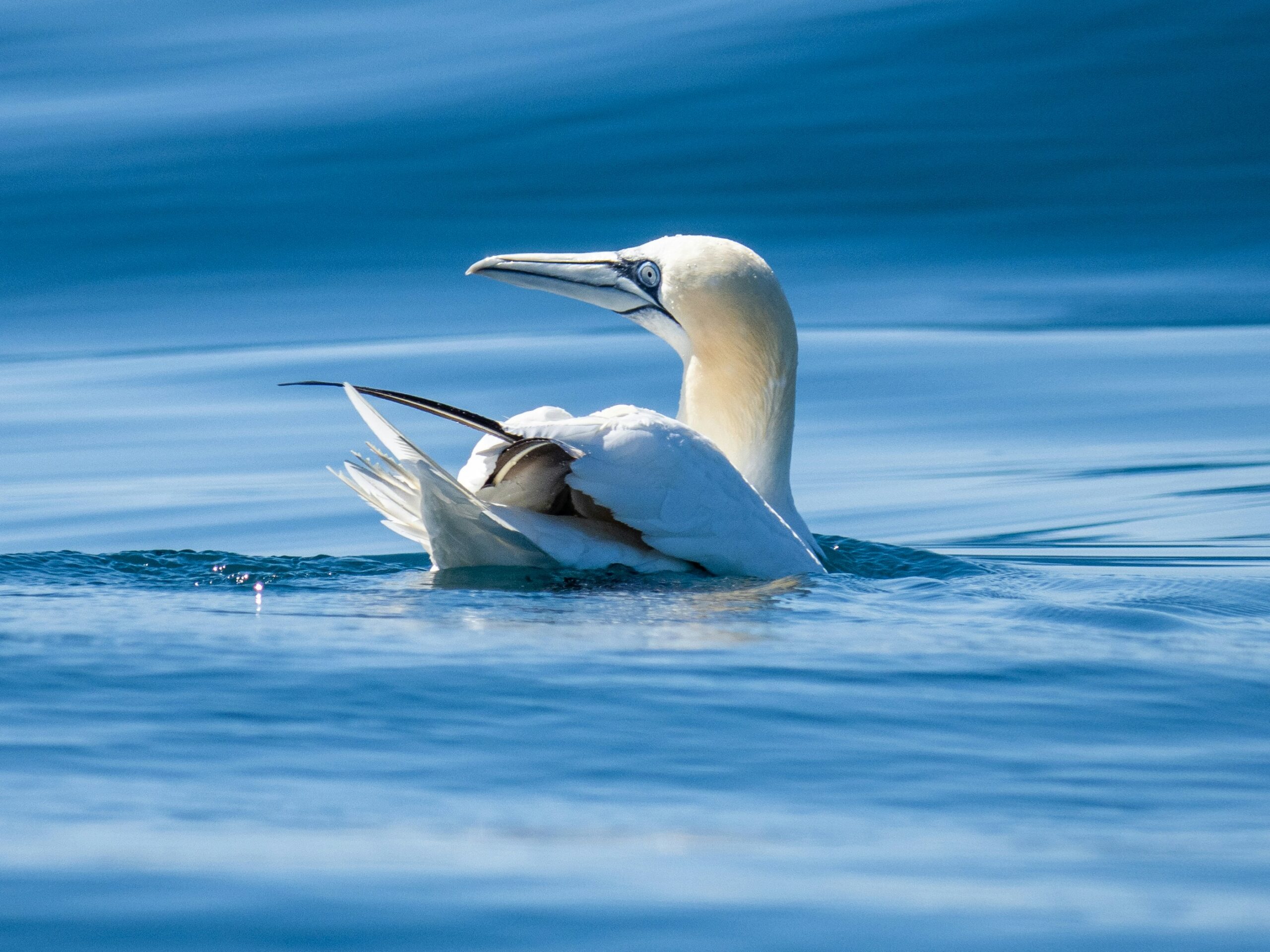
Photo by Doncoombez
The UK Government has laid a draft statutory instrument to amend the Conservation of Habitats and Species Regulations, bringing forward new powers to enable offshore wind deployment under the Energy Act 2023 — a long-awaited reform that conservation groups have cautiously welcomed, while warning that a critical flaw in the draft legislation could undermine its environmental ambitions.
The Conservation of Habitats and Species (Offshore Wind) (Amendment etc.) Regulations 2026, laid on 26 February, represent a significant shift in how offshore wind developers compensate for damage to protected marine habitats and species. The government estimates that up to 24 GW of its 43-50 GW offshore wind target by 2030 is directly dependent on these reforms passing, making the legislation as much an energy security measure as an environmental one.
Why reform was needed
Under the current regime, developers are required to deliver “like-for-like” compensation, measures targeted specifically at the impacted habitat or species. This approach has proven increasingly unworkable, with a limited supply of suitable measures creating serious bottlenecks in the consenting pipeline, in some cases blocking projects for years. In one notable instance, three Norfolk Zone projects with a combined capacity of 4.2 GW were blocked from construction for two years because they were unable to adequately compensate for placing rock on 0.005% of a protected seafloor site.
Seabirds, particularly kittiwakes and guillemots, and seafloor habitats including sandbanks and reefs are among the most common protected features triggering compensation requirements. The rigid application of like-for-like compensation has also prevented some operational wind farms from securing licences for repairs.
What the regulations do
The new regulations introduce a tiered compensation hierarchy, enabling developers to draw on a wider range of measures, including strategic, landscape-scale interventions delivered through the Marine Recovery Fund, rather than being confined to site-specific offsets. The Secretary of State and Scottish Ministers will be required to publish a compensation hierarchy setting out how the framework must be applied. The Scottish Government has laid a parallel instrument for its inshore waters.
The Marine Recovery Fund, announced in December 2025, allows developers to pool contributions into a government-operated fund to deliver compensation measures at scale, including extending or designating new marine protected areas, creating artificial nesting structures for kittiwakes, and controlling invasive predators on seabird breeding islands. Marine Minister Emma Hardy described the approach as a “win-win”: “Driving nature recovery and protecting the ecosystems that call Britain’s seas home is not a trade-off against clean energy, but a condition of delivery. This approach creates a win-win by unlocking clean power through faster decisions and protecting our seas and extraordinary wildlife.”
RenewableUK’s head of offshore wind, Celestia Godbehere, welcomed the fund, saying it would “enhance the protection of wildlife in our seas by enabling more co-ordinated measures to be taken over much wider areas of seabed, across multiple offshore wind projects being developed by different companies,” and would provide “greater certainty and clarity for wind farm developers as we plan, build and operate projects generating clean power in harmony with our rich marine biodiversity.”
RSPB: supportive in principle, alarmed by the detail
When the Marine Recovery Fund was announced in December, Katie-Jo Luxton, director of conservation at the RSPB, said: “Efforts to tackle climate change, restore the degraded marine environment and protect the wildlife that depends on it must go hand-in-hand. The Marine Recovery Fund will support this approach by delivering large-scale measures to compensate for seabird loss caused by offshore development, potentially through a mix of actions at sea and on land that support seabirds where they feed and breed. Seabirds are in crisis, with 62% of species in decline across the UK. We urgently need new offshore wind to decarbonise our energy system, but it adds to the pressure on marine wildlife through the risk of collisions and by disrupting feeding behaviour.”
However, Luxton’s reaction to the draft statutory instrument itself was more cautious. She warned that while the top two tiers of the new compensation hierarchy could, with the right guidance, enable large-scale restorative measures, the proposed third tier “would trade real habitat damage and species damage with simple good-to-dos, like education and litter picking. These are simply not comparable and this trap-door at the bottom of an otherwise constructive policy is deeply concerning.”
She identified the core challenge: “The challenge is that our seas are busy places and the marine environment is already degraded, so we need to reduce the other pressures on seabirds, to make the space for the new impacts from offshore wind. Tackling these pressures requires leadership and can only be addressed using the levers in Governments’ control. Things like creating new protected areas for seabirds, stopping bycatch of birds and mammals in fishing gear and action to remove invasive predators from seabird breeding islands, these could all put more birds back in the marine ecosystem.”
Luxton called for the third tier to be removed entirely: “The third tier of these ‘wider measures’ is a grave threat to species conservation and could enable marine degradation to continue. This tier should be removed to give us all confidence that the Government is committed to tackling the joint nature and climate emergency in a joined-up way.”
Wider concerns
The fishing industry has also raised concerns, with representatives warning during consultation that compensatory measures such as new MPAs or exclusion zones could further restrict access to traditional fishing grounds, and questioning why the reforms apply specifically to offshore wind rather than to all marine industries. The government has committed to a public consultation on potential compensatory MPAs before the end of 2026, and pledged to work openly with the fishing sector throughout.