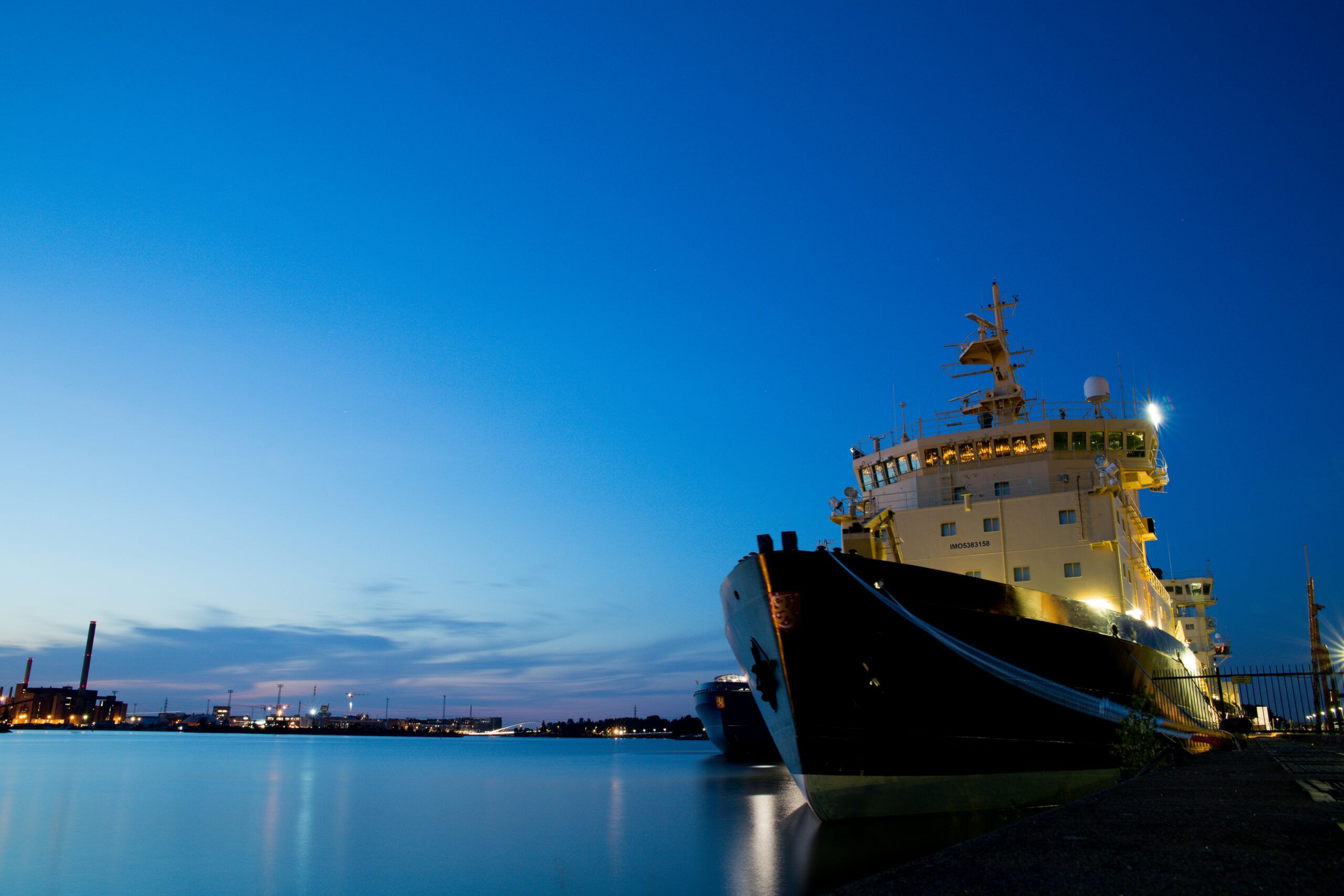
Photo by Dorian Mongel
The UK government has committed to building a new research ship in British shipyards. The ship will lead a new national system for monitoring the UK’s seas, bringing marine surveys, data and technology together in one place to help manage fisheries and the marine environment more effectively. Chancellor John Healey pledged £115 million for the vessel in his speech to the Labour conference in Liverpool on 28 September. In the same speech he confirmed £6 billion of contracts for three floating dry docks to maintain the Royal Navy’s submarine fleet at Faslane.
The vessel will replace the RV Cefas Endeavour, which has supported UK marine science since 2003 and is due to retire in the early 2030s. The new ship is expected to be operational in 2031 or 2032. Delivery will be led by the Centre for Environment, Fisheries and Aquaculture Science (Cefas), which has laboratories in Lowestoft and Weymouth.
A floating laboratory for UK seas
At 85 metres long and with room for more than 40 people, the vessel will carry out a wide range of scientific work. This will include assessing fish stocks, mapping the seabed, monitoring pollution and responding quickly to marine incidents. It will use automation, robotics and artificial intelligence, and will run on clean fuels. Cefas’s 2024 procurement notice specified a multi-fuel ship capable of running on synthetic methanol, HVO or marine gas oil. It also required a design whose scientific equipment can be updated over a service life of at least 30 years.
Defra Chief Scientific Adviser Professor Anjali Goswami said the investment would underpin decisions on some of the country’s most fundamental needs. “By investing in a next-generation Research Vessel, we can continue to harness marine scientific understanding to make better decisions to safeguard our essential human needs: water, food and energy security,” she said.
Cefas CEO Tim Green described the announcement as a landmark for the organisation. “This once-in-a-generation investment is a significant moment for Cefas and UK marine science,” he said. “This new vessel will give our scientists the capability to monitor and understand our changing seas, support sustainable fisheries and inform management decisions, and respond to growing marine challenges.”
Replacing Cefas Endeavour
Cefas Endeavour is the UK government’s main fisheries and marine science research ship. It was launched in 2002 by the Ferguson shipyard in Port Glasgow and is based at Lowestoft in Suffolk. The ship was technically demanding to build, with exacting noise and vibration specifications so that it would not disturb fish during survey work.
Cefas has been preparing for its successor for several years. In 2023 it assessed options ranging from extending the Endeavour’s life to 2048 to commissioning a new ship with enhanced scientific capability. A market notice issued the following year said the Endeavour reaches the end of its operational life in 2033. It put the estimated value of the design and build at £70 million to £100 million.
Backing British shipyards
The government has framed the investment as part of its drive to reindustrialise the UK and support domestic shipyards. It also points to the economic weight of the marine environment: the UK’s seas contributed more than £200 billion to the economy in 2021.
The contract could bring work back to the Clyde. Ferguson’s, now nationalised, could potentially bid to build the replacement, because the ship’s expected size suits the yard’s capabilities. However, the BBC reports that it is likely to face competition from other yards such as Navantia and Cammell Laird.
Stephen Morgan, MP for Portsmouth South, welcomed the commitment. “By backing shipyards across the UK, Labour is supporting jobs and delivering new cutting-edge tools that will help us understand and protect our seas. This new British-made research ship will safeguard our climate, energy and food security for the future,” he said.
What happens next
The government expects to engage with the UK shipbuilding sector in the coming months to plan the next stage of procurement. It says the vessel’s design will reflect the specialist scientific needs of its mission. Green pointed to the organisation’s long record at sea: “For 125 years, Cefas has worked alongside coastal communities and the fishing industry from our main sites in Lowestoft and Weymouth to deliver world-leading marine science. This investment will build on that proud heritage, create opportunities for the next generation and ensure that they have the tools to shape the future of our seas.”