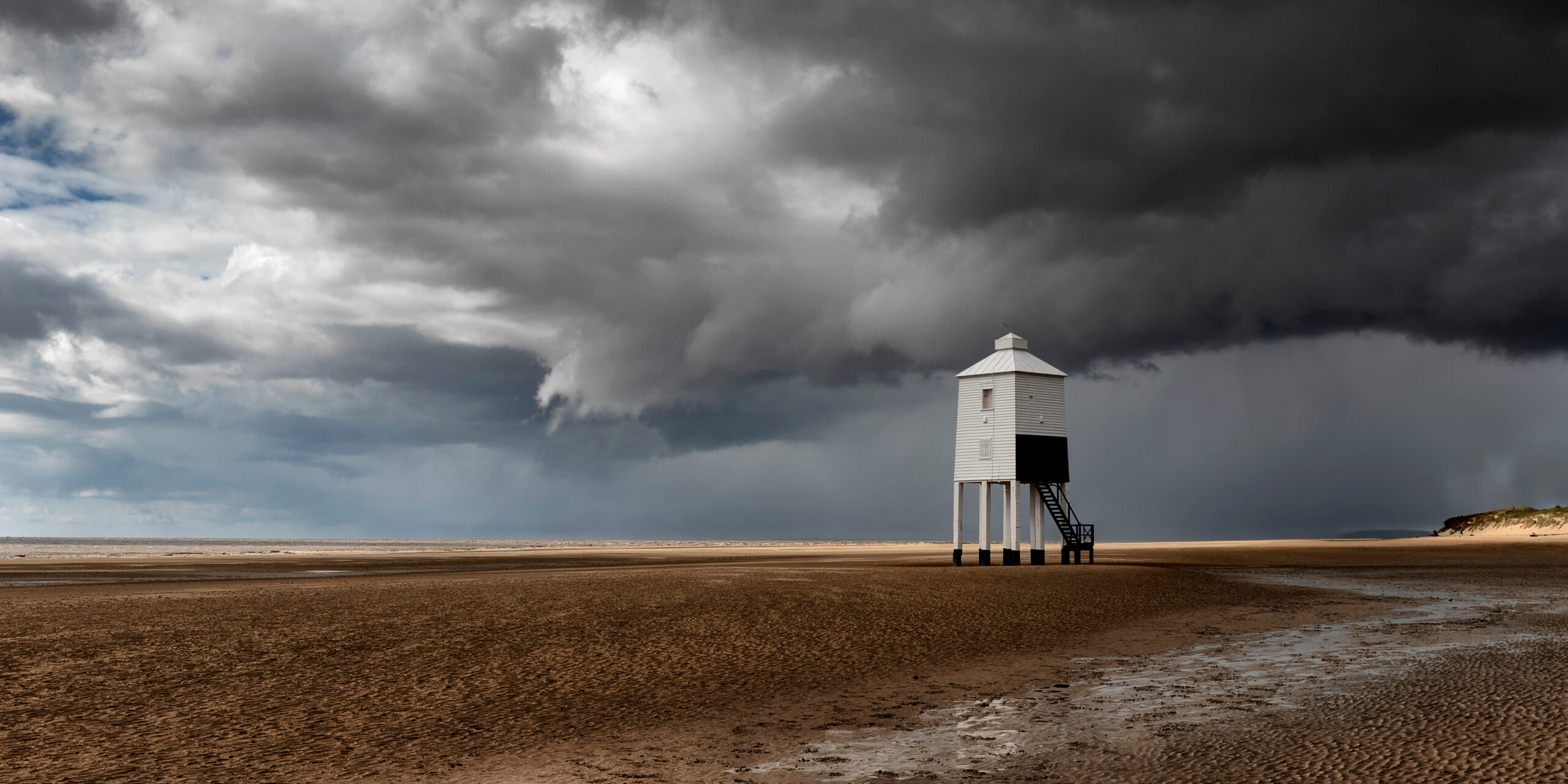
Photo Credit: AdobeStock
Deprivation in coastal communities has reached a point where it can no longer be dismissed as a hidden or unknown problem, MPs argued in a Westminster Hall debate, as members from across the parties pressed the government to recognise the specific pressures facing seaside and island communities in how it measures need and allocates funding. The debate, secured through the Backbench Business Committee by Isle of Wight West MP Richard Quigley, drew on a House of Commons Library briefing published on 8 July, which found that 13 per cent of neighbourhoods in coastal constituencies in England are highly deprived, compared with 9 per cent inland.
The case made
Opening the debate, Quigley said communities such as the Isle of Wight often felt isolated not just from funding and opportunity but from the national conversation, their challenges rarely reaching the headlines. He set out issues familiar across coastal and island areas: limited transport connectivity, an ageing population, pressure on health and social care, seasonal employment and fewer opportunities for young people. One argument was more technical. Traditional deprivation measures tend to register hardship most strongly where it is concentrated in particular neighbourhoods, but on the coast disadvantage is often spread more thinly across many areas, so it counts for less in the indices that feed funding decisions and communities miss out as a result. Closing the debate, Quigley said the real cost of isolation was a human one: missed opportunities, care that arrives late or not at all, and family left unvisited.
A shared coastal picture
The contributions underlined how widely the pattern repeats. Liberal Democrat MPs from the South West, including Richard Foord of Honiton and Sidmouth, described pockets of hidden deprivation behind the region’s prosperous image, citing South West Social Mobility Commission research showing the region performs well on employment but remains one of the weakest in England for the educational attainment of young people from disadvantaged backgrounds. The Labour member for Camborne, Redruth and Hayle argued that government thinking was skewed by stereotypes and urban-centric assumptions, noting that Bristol is closer to Manchester than to west Cornwall. Conservative MP Sir Ashley Fox, whose Bridgwater constituency includes Burnham-on-Sea, used the debate to revive a call first made by the House of Lords in 2019 for a dedicated national coastal communities strategy, and raised the cumulative effect of tax and employment policy on the tourism and hospitality businesses many seaside economies depend on.
The government response
Responding for the government, Nesil Caliskan, Minister for Devolution, Local Growth and Communities, said coastal areas were often seen as postcards of national pride but faced distinctive challenges of isolation, poorer connectivity and barriers to opportunity, and that the Isle of Wight reflected both the strengths and the difficulties common to many coastal communities. She said she had been particularly struck by the cost of ferry travel to and from the Island, and pointed to government plans to develop new tools to better identify transport connectivity and affordability as part of its Child Poverty Strategy. The debate secured no commitment to a distinct coastal funding formula or a national strategy, but it restated the argument its sponsors returned to throughout: that how deprivation is counted shapes where money is directed, and that coastal communities can lose out when their disadvantage is measured with tools designed largely around urban need.
Sources:
- House of Commons Library: Isolation and hidden deprivation in coastal communities
- Hansard: Coastal communities, isolation and hidden deprivation (14 July 2026)
- On The Wight: Richard Quigley MP leads Westminster debate on Island’s hidden deprivation
- Sidmouth Herald: South West MPs unite to tackle coastal deprivation
- Ashley Fox MP: Ashley Fox calls for national strategy to back coastal communities