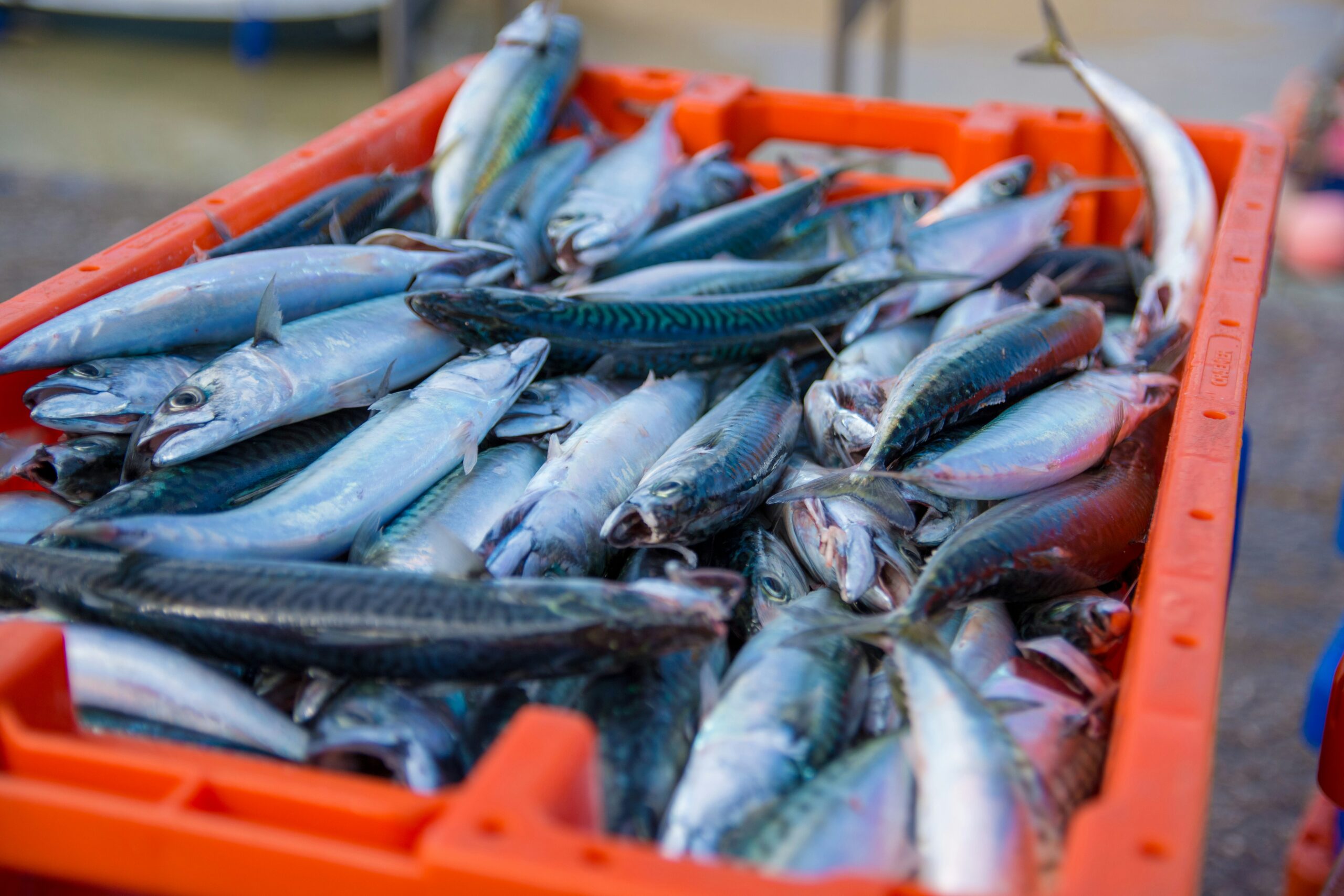
Photo Richard Bell
Almost 40% of England’s seas are designated as marine protected areas. Their stated purpose, according to the government, is to protect and recover rare, threatened and important marine ecosystems from damage caused by human activities. Yet in the four years to 2024, trawlers using vast nets, including those that scour the seabed, caught more than 1.3 million tonnes of fish within them, according to official UK and EU fisheries data analysed by Greenpeace UK.
“The government claims vast areas of UK waters are protected, but the reality is a national scandal,” said Chris Thorne, senior oceans campaigner at Greenpeace UK. “Protection means nothing if these hulking industrial trawlers are allowed to devastate crucially important areas. MPAs should be safe havens where our incredible marine life and ecosystems can recover and thrive. Instead they remain protected only on paper and precious ocean life is being pushed to the brink.”
What the data shows
Of the 1.347 million tonnes caught inside MPAs between 2020 and 2024, over one million tonnes were taken by pelagic trawlers — vessels deploying enormous nets up to 240 metres wide and 50 metres long. A further 250,000 tonnes were caught using bottom-towed gear, including bottom trawlers that drag heavy nets across the seabed, obliterating marine ecosystems. EU vessels accounted for around 800,000 tonnes of the total catch; UK vessels for around 545,000 tonnes.
Bottom trawling is widely considered the world’s most destructive fishing method, generating high levels of bycatch and releasing significant quantities of carbon stored in seabed sediments. As of 2024, the UK has designated 377 MPAs covering nearly 350,000 square kilometres of UK waters.
Years of delay
A process to ban bottom trawling across the MPA network began in 2020, when new legislation gave the government powers to restrict fishing for conservation purposes in UK coastal waters. Six years later, the byelaws required to implement those restrictions remain in the consultation phase. The process is structured in four stages; the UK is currently partway through stage three, covering 42 further MPAs, with stage four – protecting harbour porpoise and certain bird species – yet to reach consultation.
Campaigners argue that successive governments have dragged their feet, allowing industrial fishing to continue in areas that were supposed to be recovering. The Guardian asked the Department for Environment, Food and Rural Affairs why trawlers were permitted to extract such volumes from supposedly protected areas, and whether this defeated the purpose of their designation. Defra had not replied by the time of publication.
Beyond bottom trawling
Even if a full bottom trawling ban were implemented, Greenpeace warns it would not be sufficient. The one million tonnes taken by pelagic gear — which would not be restricted by current proposals — demonstrates that marine life inside UK MPAs would remain heavily exposed. Thorne called for an end to all industrial fishing in UK MPAs: “Banning bottom trawling in some sites would be a step forward, but other destructive fishing methods would still be allowed and much of the MPA network would remain vulnerable. If the government wants to show real leadership on ocean protection, it must stop all industrial fishing in UK MPAs and work with other states to properly protect 30% of the wider Atlantic Ocean by 2030, including the Sargasso Sea.”
The findings land against a backdrop of acute concern about fish stock health. A report last year found North Sea cod, Celtic Sea cod, Irish Sea whiting, Irish Sea herring and North Sea horse mackerel were all at critically low levels yet continued to be overfished. Last month, Waitrose suspended sales of mackerel following a Marine Conservation Society warning that it too was being overfished and at risk of population collapse. NGOs also took the Dutch government to court last month for permitting bottom trawling in a protected area of the North Sea.
Thorne framed the scale of the problem in stark terms: “Just beneath the surface of our seas, right here in the UK, lies an extraordinary world of marine life — from shoals of colourful fish to dolphins to seahorses — but it’s facing a level of vandalism greater than we’d ever accept on land. Since leaving the EU, the UK government has had full powers to properly protect our marine protected areas. Yet many remain little more than lines on a map.”