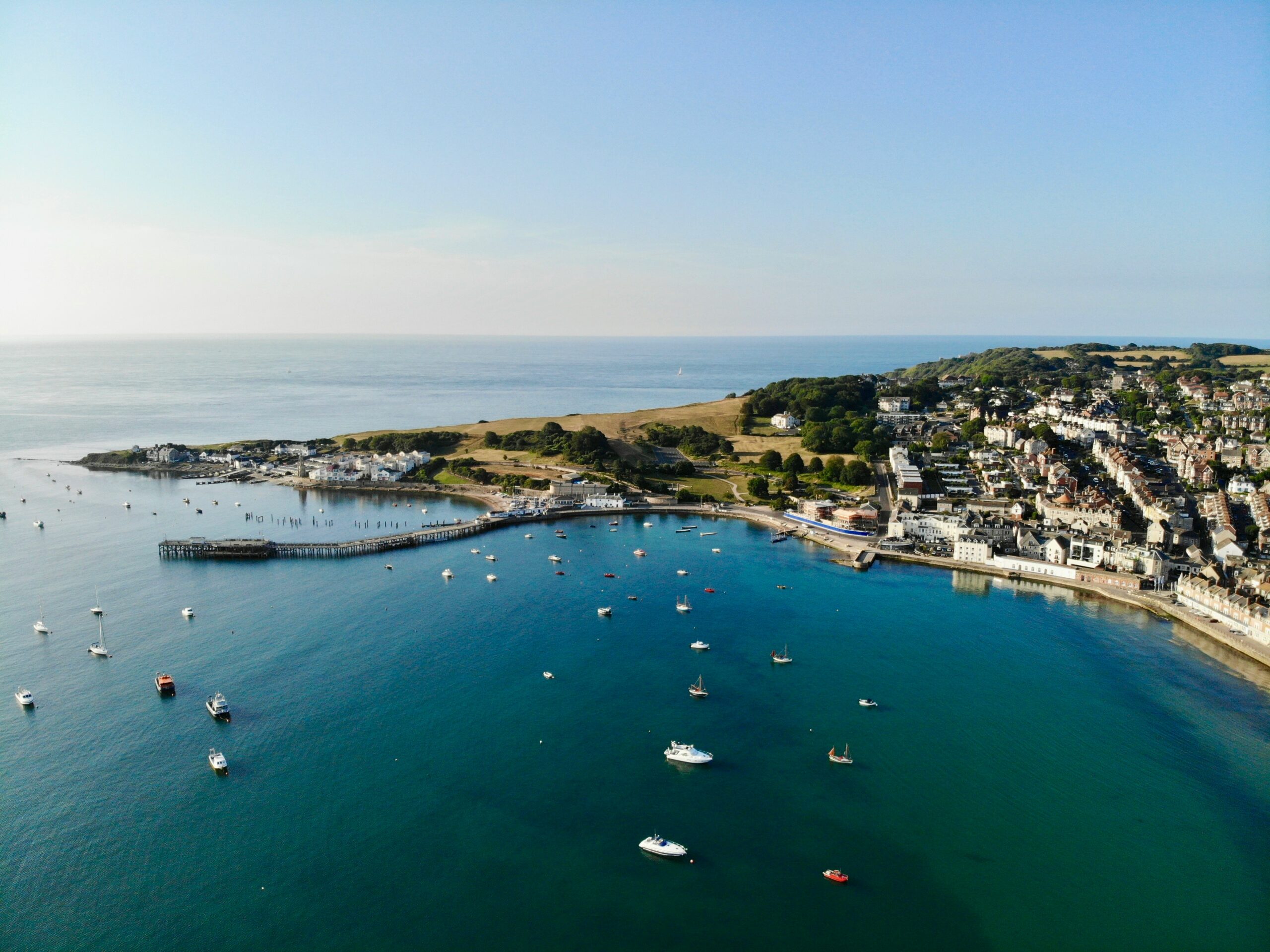
Photo by Ben Elliott
The Marine Management Organisation (MMO) has launched a push to improve public understanding of the legal protections around Britain’s two native seahorse species, warning divers, snorkellers and film crews that intentionally disturbing them without a licence could result in enforcement action.
Both the spiny or long-snouted seahorse (Hippocampus guttulatus) and the short-snouted seahorse (Hippocampus hippocampus) are protected under Section 9 of the Wildlife and Countryside Act 1981, according to the MMO’s announcement. In response to recent observed incidents, the organisation is reminding TV production companies, filmmakers and members of the public that anyone diving or snorkelling with the intention of carrying out an activity likely to disturb seahorses, including taking photographs or filming them in the wild, must hold a wildlife licence.
“Incredibly vulnerable and fragile”
Jess Churchill-Bissett, Head of Marine Conservation (Wildlife) at the MMO, explained the thinking behind the campaign in the gov.uk release: “We can understand the high levels of interest and fascination people have with our native seahorse species. However they are incredibly vulnerable and fragile marine animals that are easily disturbed by human activities. We know that incidents come from a genuine lack of awareness, which is why we want people to understand that are protected under the law and intentionally disturbing seahorses without a wildlife licence could result in enforcement action. This applies to all divers, snorkellers, and TV and film production companies who should be aware of their legal obligations if intentionally seeking out seahorses.”
For anyone who encounters a seahorse incidentally while swimming or diving, the MMO has set out a series of steps to reduce the risk of disturbance: observing for no more than five minutes, never touching or moving the animal, avoiding crowding it with multiple people, not pursuing it if it swims away, and retreating slowly to at least five metres if it shows signs of stress such as darkening, swimming off or curling up. Divers are also advised to keep hoses, gauges and trailing limbs tucked away from the seabed.
Focus on three key sites
The MMO’s targeted educational activities are concentrated on Poole Harbour, Studland Bay in Dorset and Torbay in Devon, which the organisation describes as home to some of the UK’s most significant seahorse populations. In Studland Bay, a voluntary no-anchor zone has been in place since 2021, established with local community support to protect the seagrass habitats that serve as breeding grounds for seahorses. In Poole, the MMO has been providing on-the-ground guidance for people who encounter a stranded seahorse or accidentally catch one while crabbing.
Anyone who finds a stranded or accidentally caught seahorse is advised to place it gently in a bucket of cold seawater, take a photo without flash, and return it to the sea as quickly as possible, reporting the sighting to Natural England at seahorses@naturalengland.org.uk and to The Seahorse Trust at theseahorsetrust@gmail.com
Neil Garrick-Maidment, Executive Director and Founder of The Seahorse Trust, reinforced that message: “Seahorses are a delicate, sensitive animal and extreme care should be taken if you see or accidentally catch one. If found in a crab net, act quickly, keep them out of the water for as little time as possible, take a brief photo, then gently return them to the water away from seagulls. If you spot one while snorkelling or diving, be calm and keep your distance, no flash photography. Crucially, report all sightings so we can add them to the National Seahorse Database. Knowledge of these precious animals is key to their protection.”