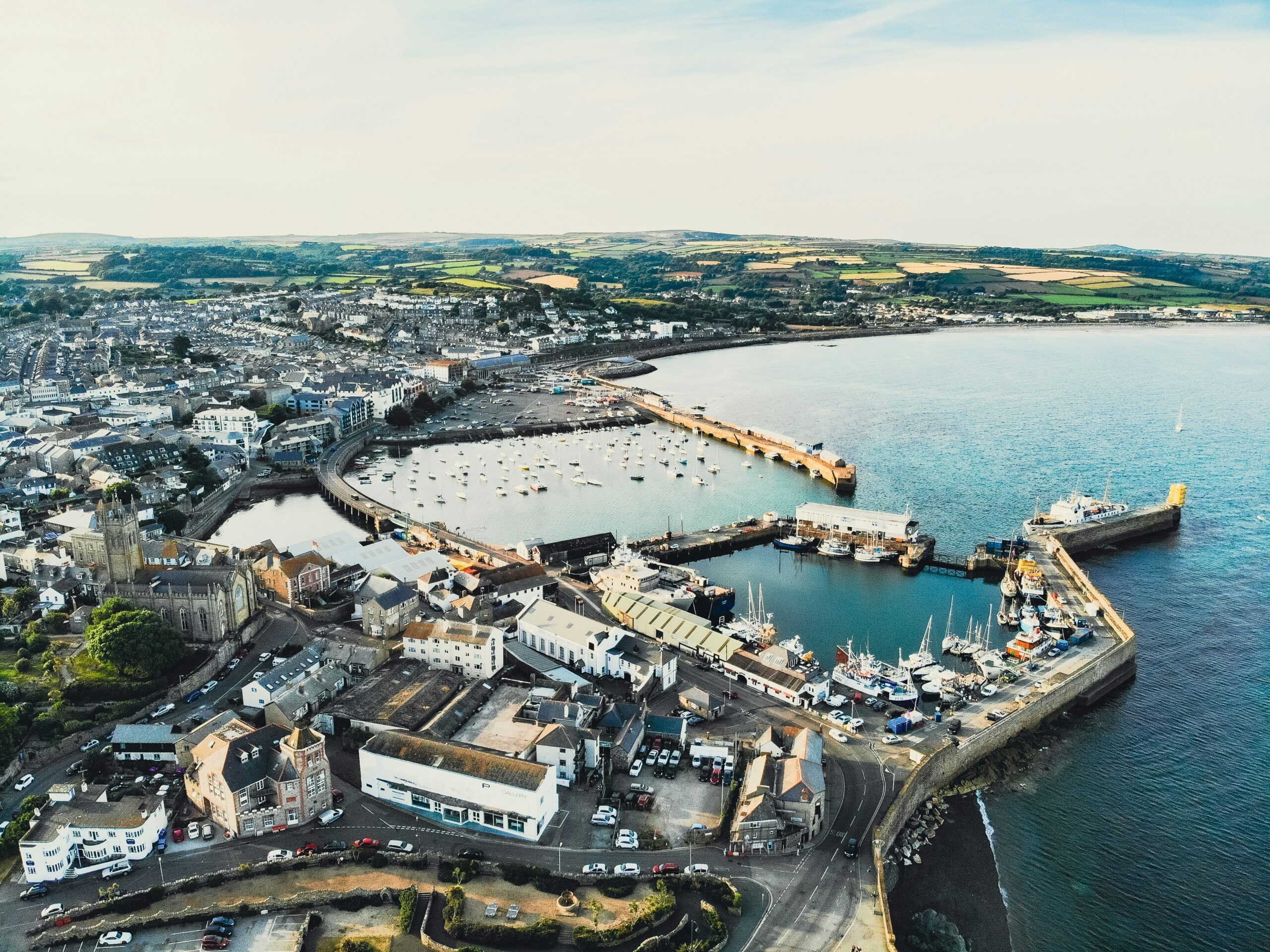
Photo by Ben Elliott
The Marine Management Organisation has published a 53-page practical guide to help port operators and developers navigate the marine licensing process more effectively, drawing on learning gathered through a joint initiative with the UK’s largest ports.
The document, published on 1 May and entitled Marine Licensing Top Tips, has been developed through the Ports Sandbox – a collaborative programme between the MMO and the UK Major Ports Group (UKMPG) that has brought together regulators and port operators to identify and address weaknesses in the licensing system. It is accompanied by two supporting tools: a pre-application engagement decision tree and a marine licensing process flowchart.
What the sandbox found
The initiative was launched in June 2025 following widespread recognition that the marine licensing process had become a source of frustration for applicants – perceived as complex, opaque and slow. The Ports Sandbox created a real-world testing environment in which ports and regulators could work through live case studies, share experiences and co-develop practical improvements. Workshops were hosted by DP World in London and Associated British Ports in Plymouth.
Geraint Evans, Chief Executive of UKMPG, said at launch that “a thriving port sector is absolutely essential to the UK’s net zero journey, coastal communities and economic growth. By working more closely than ever with the MMO, we’re laying the groundwork for a marine licensing process that’s not only faster and clearer – but also works for people and the planet.”
MMO Chief Executive Michelle Willis added that the initiative was “about more than licences – it’s about transforming how we work with industry, learning together and shaping a system that unlocks growth while still protecting our natural environment.”
What the guidance covers
The Top Tips document follows the marine licensing process step by step, from early pre-application discussions through to final determination. It covers a wide range of practical issues including when and how to use the MMO’s pre-application enquiry service, how to approach Environmental Impact Assessment screening and scoping, the requirements around Maintenance Dredge Protocols, how the Coastal Concordat can coordinate consents across multiple regulators, and how to manage communication with statutory consultees throughout the process.
The document places particular emphasis on early engagement with the MMO, describing it as “particularly beneficial for large or complex marine licence applications” in helping to establish realistic timelines, identify potential constraints before formal submission, and reduce avoidable delays during determination. It explicitly flags a common source of hold-up: incomplete or poorly structured applications that require repeated exchanges between case officers and applicants. By consolidating guidance currently spread across multiple sources, or learned informally through experience, the document aims to reduce that back-and-forth.
Broader context: reforming a fragmented system
The publication sits within a broader push to reform how marine regulation handles major infrastructure. The Corry Review, an independent assessment of Defra’s regulatory landscape published in April 2025, specifically highlighted the marine environment as an area where “multiple regulators are involved in assessing the same applications for port infrastructure” and called for both the regulations and the regulatory practices to be streamlined. The government accepted those recommendations in principle and the Ports Sandbox was cited in March 2026 as a concrete translation of that direction into practical action.
A parliamentary report on the draft revised National Policy Statement for Ports also underlined the stakes, noting that 95% of UK imports flow through ports and that the sector supports over 728,000 jobs across the wider economy. Ports are under pressure to expand capacity to accommodate offshore energy development, growing trade volumes and the drive to decarbonise freight, all of which require marine licences.
A living document
The MMO describes the Top Tips as a living resource, designed to complement, not replace, existing statutory guidance, and notes it will be updated as the Marine Planning and Licensing Programme develops wider reforms. The Ports Sandbox itself continues to expand, with engagement set to widen to include more ports, consultees and partners in the months ahead.