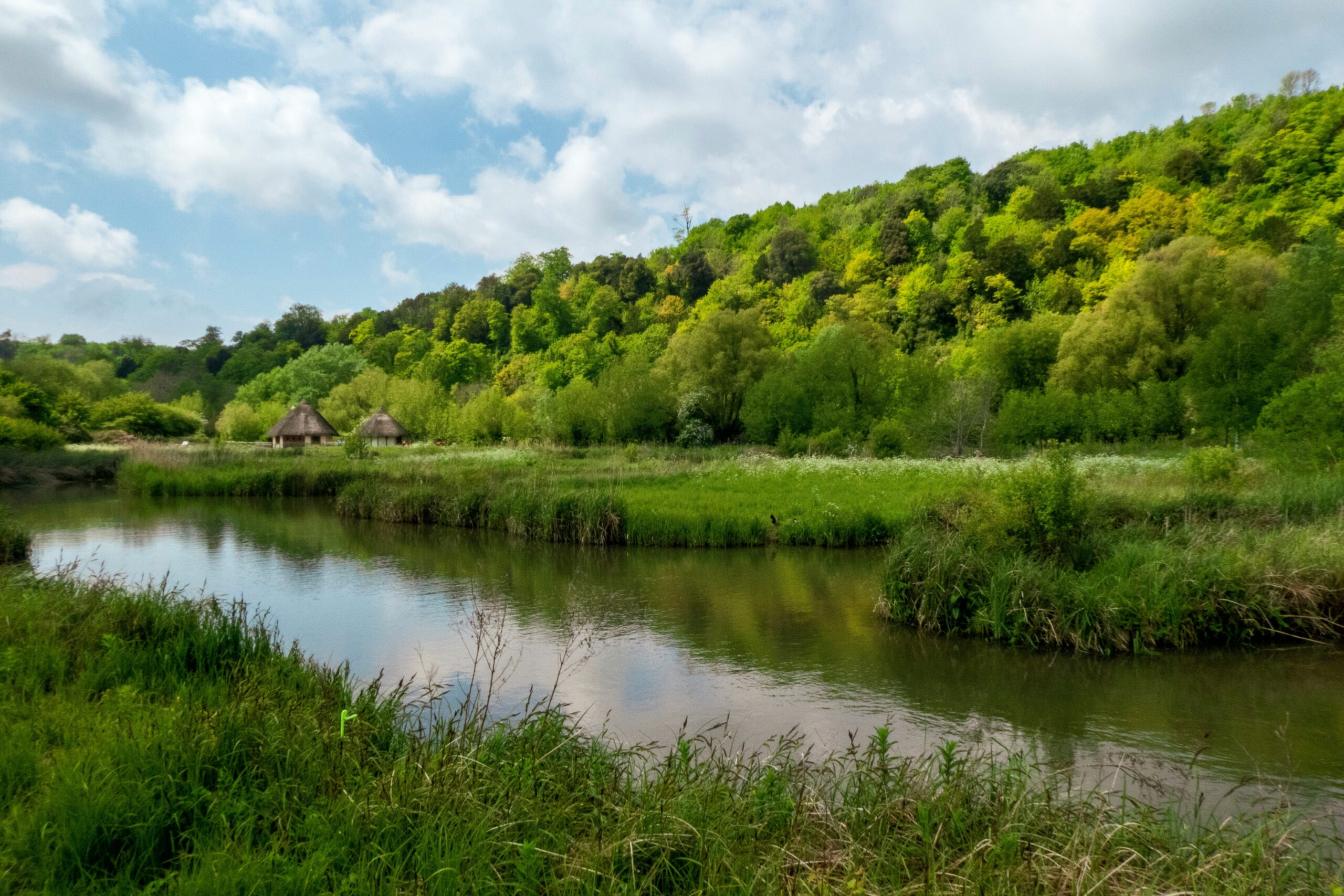
Body of water between grasses, Arundel UK. Photo by Nick Fewings on Unsplash
£90 million pledged to safeguard England’s wildlife
Ministers have announced a new £90 million government funding package for species recovery in England, which the government says is the largest ever Government investment in threatened species recovery. More than double the previous round of funding, this investment brings both opportunity and a reminder of the scale of biodiversity loss still unfolding across the country.
The initiative forms part of the wider “Wild Again: Restoring England’s Wildlife” campaign, aimed at safeguarding hundreds of England’s most threatened native wildlife from extinction and reversing long-term biodiversity decline.
The Department for Environment, Food and Rural Affairs (Defra) announced hundreds of local projects will benefit from a share of £60 million through Natural England’s species recovery programme over the next three years, while a further £30 million will be dedicated to species recovery across England’s national forest estate. Together, these strands are intended to support both direct species interventions and the wider ecological conditions they depend on.
The government used this announcement to spotlight their previously announced £11.8 billion nature friendly farming budget, set to be spent across this Parliament on the creation of three new National Forests, and approved the first wild beaver releases since they were hunted to extinction around 400 years ago.
New era for water industry-led ecosystem restoration
Rather than broad conservation measures, the emphasis is on targeted recovery. The programme, run by Natural England, funds conservation projects including habitat restoration, captive breeding and species reintroductions, helping to tackle habitat loss, safeguard fragile ecosystems such as ancient woodland and chalk streams, and restore nature-rich landscapes.
The announcement reinforces the growing regulatory and operational emphasis on catchment-based approaches and nature-based solutions, which Water Magazine highlights has potentially significant implications for the water industry.
Many of the targeted habitats, including chalk streams, wetlands and river corridors, are intrinsically linked to water company assets and responsibilities. Investing into habitat restoration is likely to support improved raw water quality, reduced treatment costs and enhanced resilience to pollution incidents.
Water Magazine also notes that the programme’s focus on species reintroduction and ecosystem recovery aligns with extant commitments under the Environment Act and Water Industry National Environment Programme (WINEP). The Environment Agency is placing more pressure on water companies to deliver biodiversity net gain, reduce nutrient pollution and address storm overflow impacts. This new funding stream could provide opportunities for wider collaboration, particularly in nutrient neutrality schemes and catchment management projects.
Additionally, new funding priorities focused on wetland and river restoration could also accelerate utilities adopting constructed wetlands and other blue-green infrastructure to manage surface water, improve biodiversity and deliver multi-functional benefits at lower whole-life cost.
A turning point for biodiversity in England
The UK is one of the most nature-depleted countries in the world, with researchers finding that wildlife populations have fallen by a third since 1970, and one in six species are at risk of extinction. Earlier this year the Office for Environmental Protection assessed that the UK is significantly off-track to meet to meet its environmental ambitions and legal obligations.
Defra said the funding uplift will help to support the Government’s mission to reverse nature declines and meet legal targets set out in the environmental improvement plan, which also include halting the decline in species abundance by 2030 and reducing species extinction risk by 2042 against 2022 levels.
Natural England Chair Tony Juniper said: “If there is one positive thing about species decline, it is the fact that it is usually reversible. For decades Natural England’s species recovery work has revealed how even the rarest of the rare can be brought back from the brink. The red kite, lady’s slipper orchid, pool frog, beaver and large blue butterfly are among the examples that demonstrate the many opportunities at hand.”
This round’s funding is more than double the previous, which saw £32.2 million allocated to the programme between 2023 and 2026 to support more than 600 species, including water voles, hazel dormice and oystercatchers. Previous rounds of funding have shown that outcomes depend heavily on site selection, long-term management and how well projects are integrated into the surrounding landscape.
Natural England will confirm which projects will receive funding for 2026 to 2029 in May, with projects expected to begin later this year.