Photo by Marina Helena Muller on Unsplash
The Guardian has exclusively revealed pet owners across the UK could be banned from buying flea treatment for cats and dogs under new government rules, in response to fears over their impact on songbirds, fish and other aquatic creatures.
Presently flea and tick treatments, commonly imidacloprid and fipronil, can be bought from any pet shop. However, Ministers have now begun an eight-week consultation on only allowing veterinary practitioners or pharmacists to prescribe pesticide-based flea treatments, to ensure “correct usage” amid growing concern about the impact these treatments are having on biodiversity.
Impacts on wildlife
More than 80% of UK cats and dogs are given at least one flea or tick treatment every year – many of them applied monthly as “spot-on treatments” that then wash off into wastewater, rivers or soil. As per the Guardian, in the UK fipronil is an ingredient in 66 different veterinary products, and imidacloprid is in a further 21.
However, imidacloprid and fipronil are potent insecticides that have been banned for agricultural use since 2018: one monthly flea treatment for a large dog contains enough imidacloprid to kill 25 million bees.
Despite the agricultural ban, Environment Agency data has found fipronil residue in 98% of river and lake samples, and traces of imidacloprid in 66% of all samples, at concentrations that frequently exceed toxicity thresholds for aquatic insects. Residues have additionally been found in river sediments, fish tissue, and coastal waters, suggesting contamination may occur through multiple distinct pathways. Research published this week has detected either permethrin, imidacloprid or fipronil in every feather sample tested from five common species of UK garden birds.
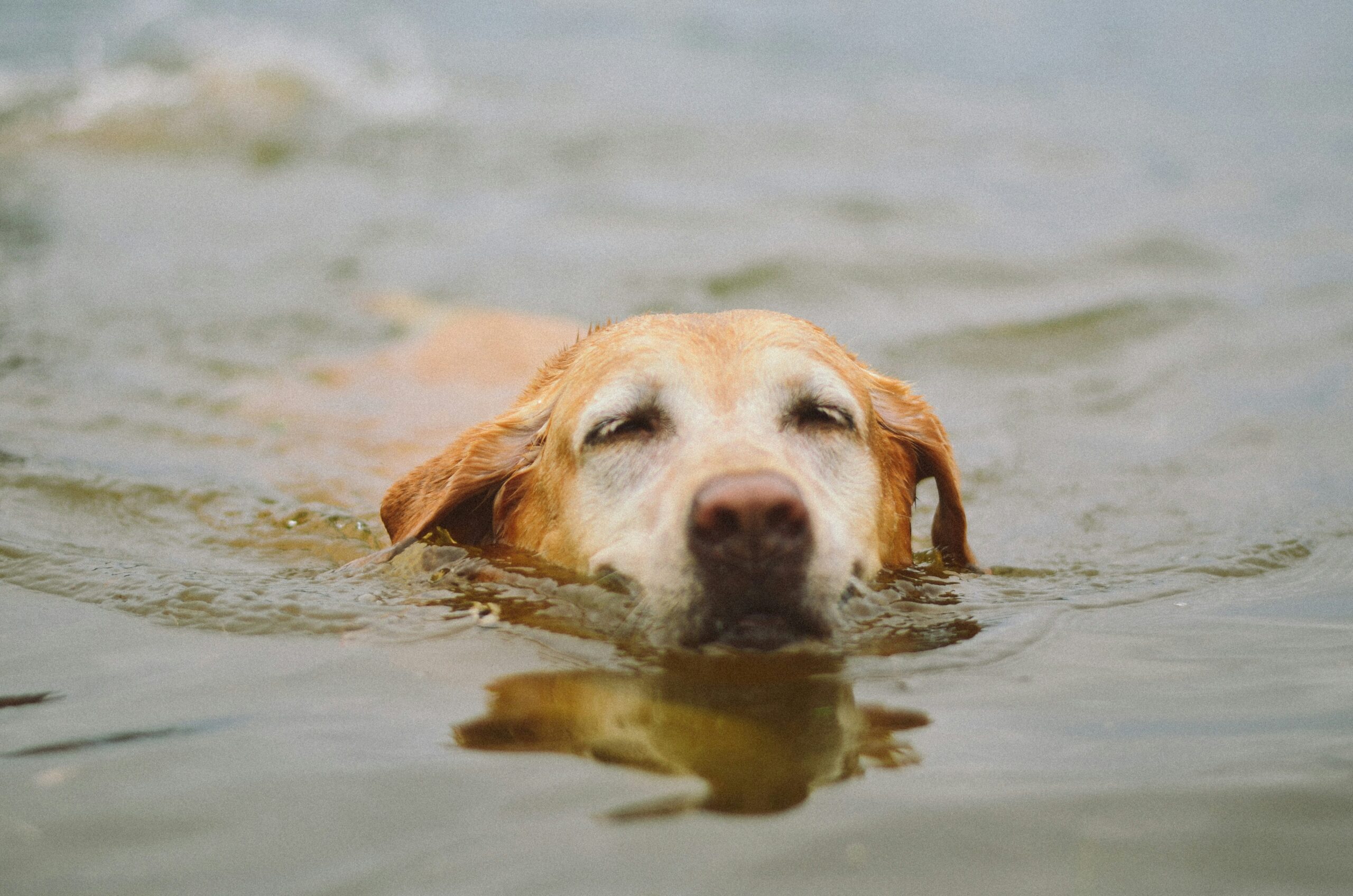
One recent study found songbirds were using dog and cat fur tainted with the treatments to create their nests, correlating a higher number of unhatched eggs or dead chicks in nests where there was a higher incidence of insecticide. Other recent research funded by the Veterinary Medicines Directorate (VMD) found the application of certain flea and tick treatments by pet owners was contributing to these chemicals being detected in watercourses, after people washed their hands once they had applied the treatment and when the animals swam in waterways.
Restriction on pet flea treatment
Alongside the most recent revelations that songbird feathers are widely contaminated with substances that can damage the birds’ brains and kill unborn chicks, dozens of veterinary professionals, wildlife charities and academics have signed an open letter urging the government to address “systemic failures in the regulation of veterinary medicines”.
The water minister, Emma Hardy, said: “This government is committed to restoring nature and cleaning up our rivers. These treatments play a vital role in pet health and welfare, but it is right that we look at whether they should only be made available for sale via medical practitioners who can advise the public on their correct usage.”