Photo Credit: AdobeStock
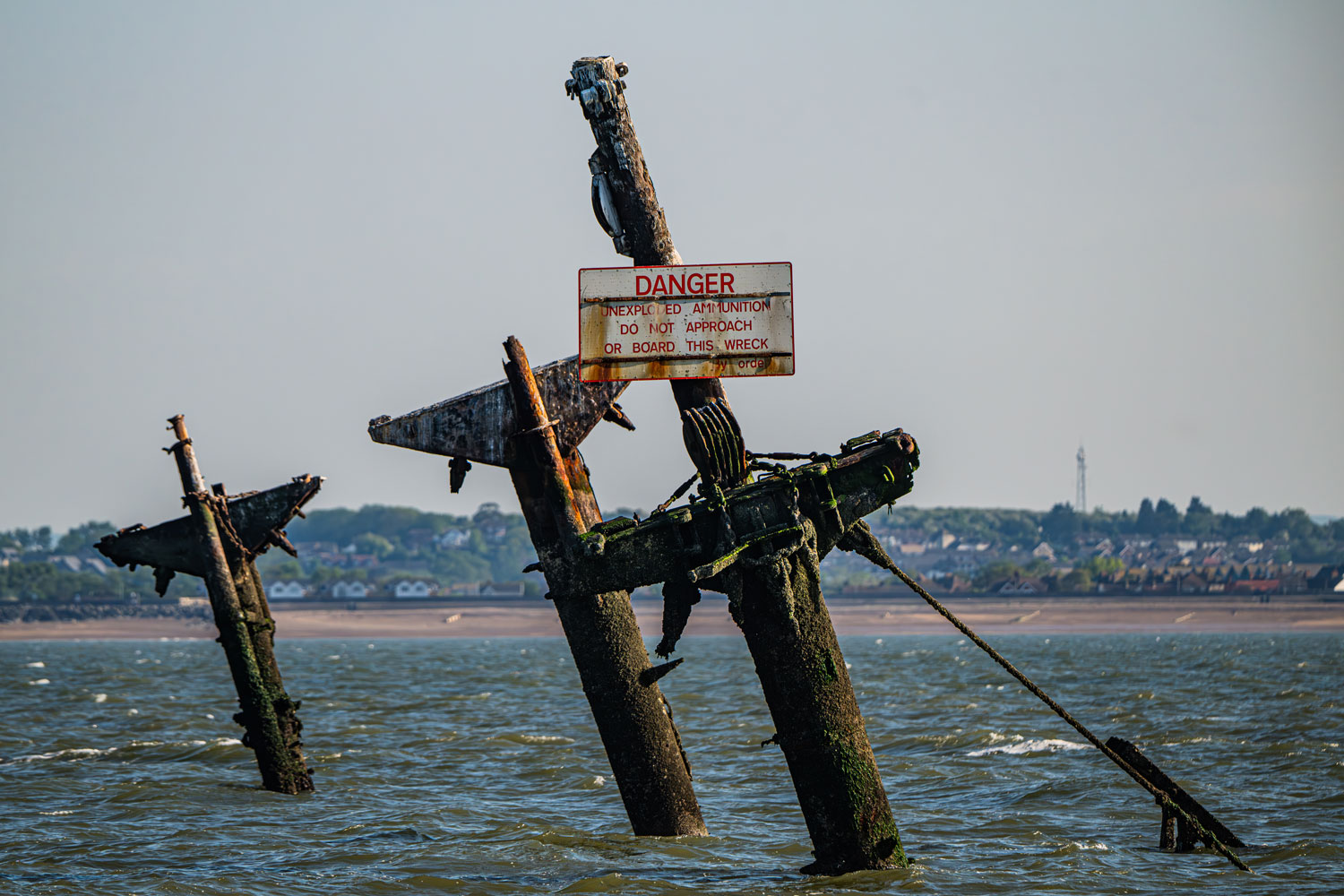
Work to remove the three masts from the SS Richard Montgomery, the American Second World War Liberty ship that sank in the Thames Estuary in 1944 with 1,400 tonnes of unexploded munitions still on board, will begin in early September, the Department for Transport has confirmed. The £9.5 million operation, which the government describes as a significant milestone in the long-term management of the wreck, will use a purpose-built underwater platform to allow specialist maritime engineers to cut the masts below the sea surface over the course of several weeks.
Why the masts are being cut now
The ship sits 1.5 miles off Sheerness, Kent, where it grounded on the Nore sandbank in August 1944 while carrying supplies for the Allied war effort, and broke in two the following month before an unloading operation could be completed. Much of its 7,000-tonne cargo was salvaged at the time, but around 1,400 tonnes of high-explosive bombs and munitions remain in the forward holds. The wreck has been subject to continuous monitoring since, and sits inside a permanent exclusion zone. The department says the masts, which have protruded above every tide for 82 years, place strain on the deteriorating hull, and reducing that strain is intended to stabilise the site rather than to remove the explosives themselves. Independent expert advice has concluded, according to ministers, that the cutting operation will not increase the risk posed by the ordnance that remains on board.
Delivery and heritage
The work is being delivered by specialist marine contractor Resolve Marine, with strategic explosive ordnance advice from Exord Ltd. Local emergency services, harbour authorities and the Maritime and Coastguard Agency have been involved in planning. On-site preparation begins later this month, the cutting itself is scheduled for early September, and, subject to weather, the operation could be complete by the end of the month. The exclusion zone will remain in place afterwards. The wreck remains the property of the United States government, which has loaned the masts to Britain for conservation. Once cut, they will be moved to the Historic Dockyard Chatham, where the trust that runs the site plans a live conservation project allowing visitors to watch the work in progress. Their long-term public display location is still being discussed: the Sheppey MP Kevin McKenna has pressed for at least one mast to remain in Sheerness, and has suggested a second could go across the estuary to Southend.
Sources: