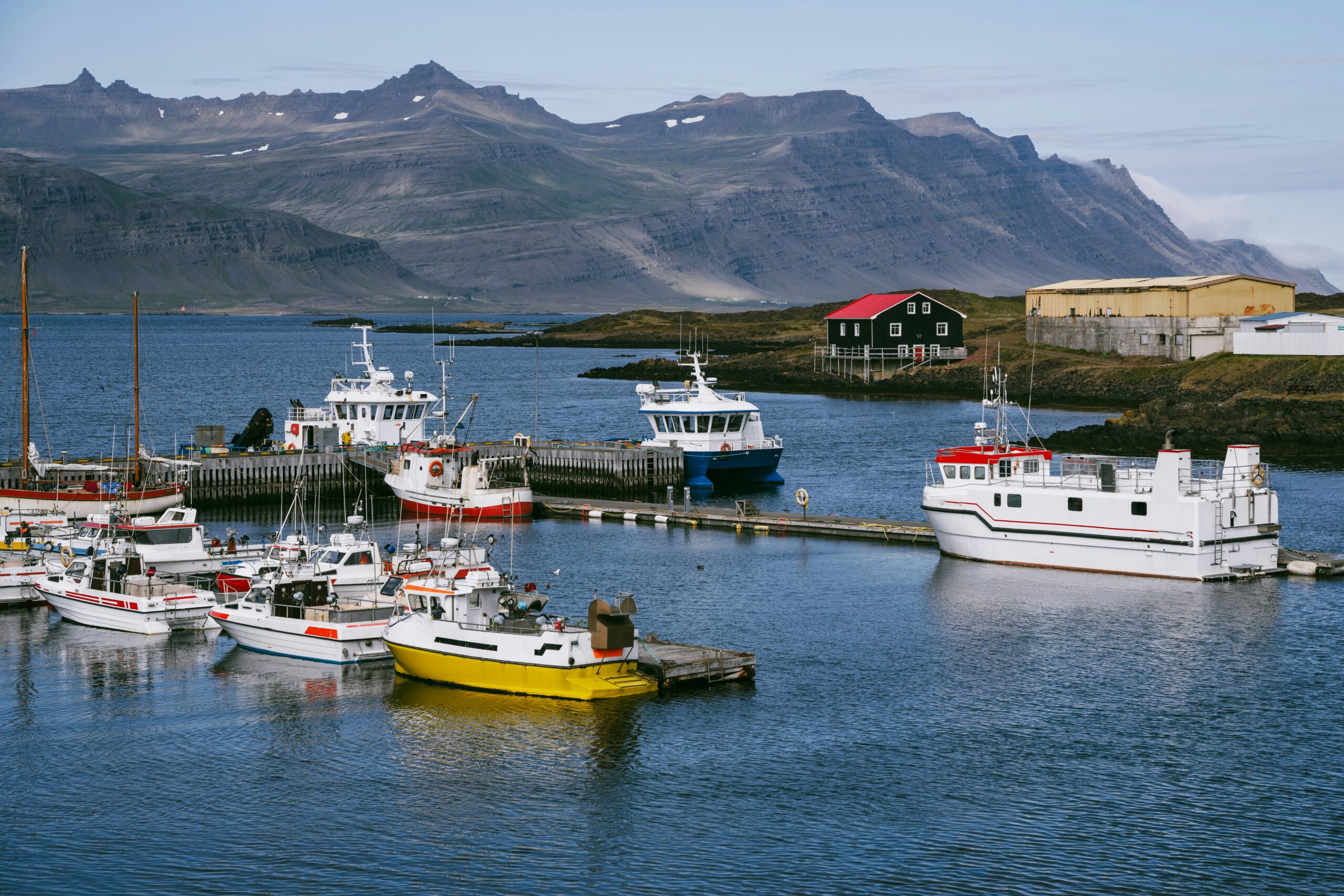
Photo by Himmel S
Icelandic voters have rejected a proposal to resume negotiations on joining the European Union, in a referendum that turned heavily on fears for the country’s fishing industry. Final results published on Sunday showed 53.0% backing the No campaign against 47.0% for Yes, on turnout of 84.2%. Other outlets reported the split slightly differently, with Bloomberg and France 24 citing the National Electoral Commission’s figures of 52.8% to 47.2%; the discrepancy appears to reflect the point at which each outlet’s figures were taken, with a recount in the Southwest Constituency needed before the result became official.
A vote on talks, not membership
The referendum asked only whether Iceland should resume accession negotiations with Brussels, not whether it should join the EU outright; any eventual membership agreement would have required a second public vote. Iceland applied to join in 2009 following its financial crisis, but talks were suspended in 2013 after a change of government. Prime Minister Kristrún Frostadóttir’s centre-left coalition had pledged to hold this referendum so voters could see what terms might be available, while promising throughout the campaign to respect the result and treat a No vote as removing the issue from the political agenda for the remainder of the current parliamentary term, which runs until 2028.
Fisheries at the centre of the campaign
Iceland’s fishing industry mounted one of the most visible campaigns against reopening talks. Samtök fyrirtækja í sjávarútvegi (SFS), the Icelandic Fisheries Association, published reports warning that eventual membership could weaken Iceland’s control over fisheries management, quota allocation and marine resources, with around 90% of fishing companies reported to oppose reopening negotiations. Opposition leader Gudrun Hafsteinsdottir, who campaigned for the No side, rejected the idea that EU membership would solve Iceland’s economic problems: “These are not problems that Brussels will solve for us. These are problems that Icelandic politicians must solve.” Reykjavik was reported to be the only area where a majority backed reopening talks, with rural, coastal constituencies driving the No result.
A view from Norway
The result has drawn a close comparison across the North Atlantic. Audun Maråk, managing director of the Norwegian fishing fleet organisation Fiskebåt, described the parallel with Norway’s own 1994 referendum on EU membership, when concerns over the fisheries settlement also contributed to a No vote in line with Fiskebåt’s recommendation at the time. “Fear of a poor fisheries agreement contributed strongly to the No side winning in Iceland,” Maråk said. “This shows how much control over resources means to people, not least in Iceland, but also in Norway.” He suggested the result could work in Norway’s favour in future EU fisheries negotiations, since “Norway does not have to deal with the EU taking particular account of Iceland” as it might have done had talks resumed. Maråk also pointed to broader instability shaping the region’s fisheries politics, warning that “our large neighbour to the east is now fighting its fifth year of war in Ukraine” and that “the last word has unfortunately probably not been said about Greenland.”
Unchanged relationship with Brussels
Iceland’s practical relationship with the EU will not change as a result of the vote. The country remains a member of the European Economic Area and the Schengen zone, retaining extensive access to the EU single market while staying outside the Union itself. For Brussels, the result is a setback for its enlargement ambitions – the bloc has not admitted a new member since Croatia in 2013 – and confirms that fisheries and agriculture remain, as they were during Iceland’s earlier accession attempt, among the most contentious issues any future negotiation would need to resolve.
For UK readers, the result is a reminder that fisheries sovereignty continues to shape North Atlantic diplomacy well beyond Britain’s own post-Brexit settlement, with implications for the wider web of coastal state negotiations over mackerel, herring and blue whiting that draw in Iceland, Norway, the Faroe Islands and the UK each year.