 Photo credit: redcharlie
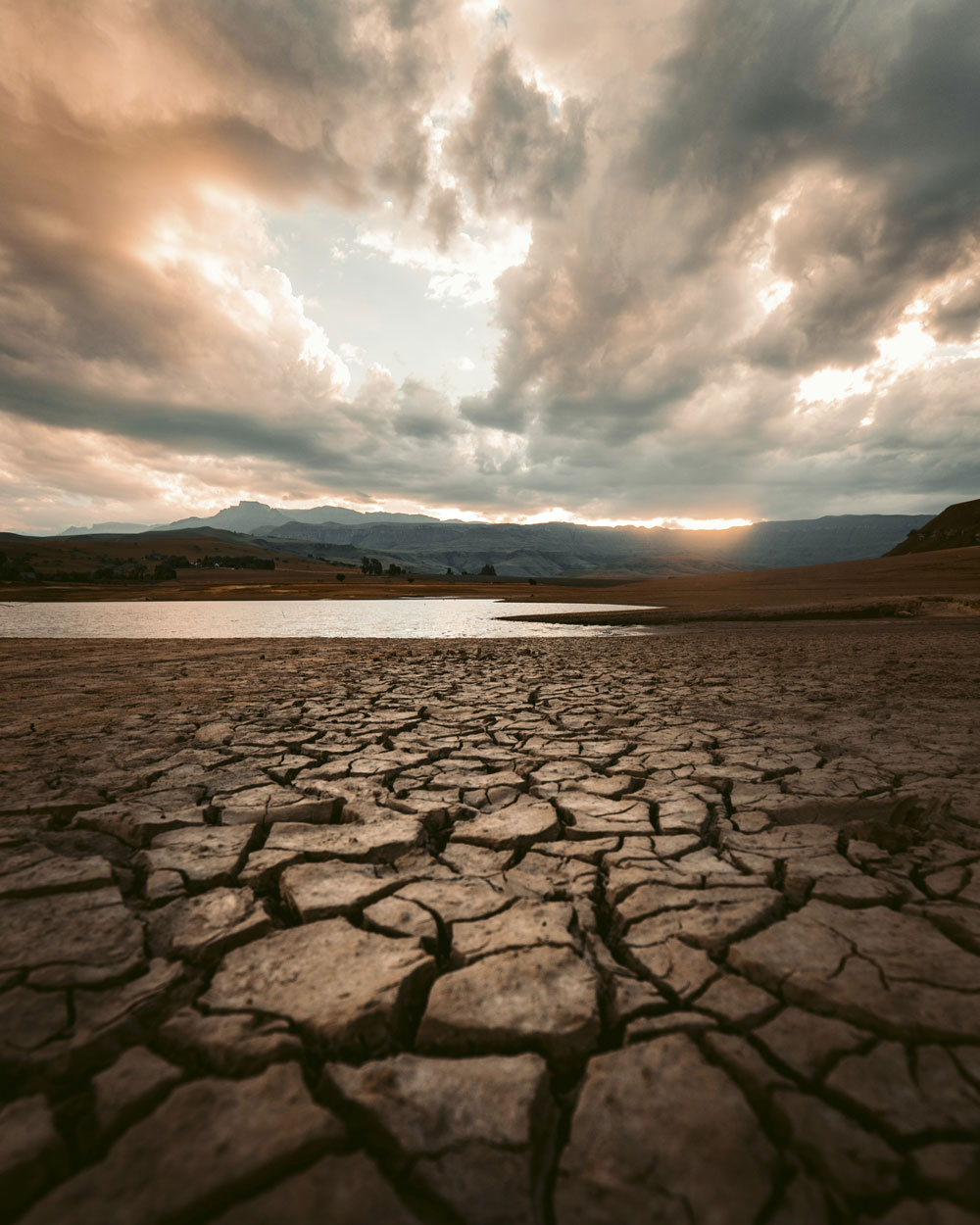
Europe’s current drought is being shaped by a compound of rainfall deficits and a much warmer, thirstier atmosphere, according to a rapid attribution study published today by World Weather Attribution (WWA). Analysing conditions from January to June 2026 across a western European domain and an eastern one, scientists from 13 countries found that rising evaporation from soils, rivers and vegetation is now pushing rainfall deficits that would once have been manageable into full drought territory.
The finding matters for water managers because it reframes what counts as a drought signal. Meteorological drought, defined by low rainfall, showed little long-term change in the western region and only a modest, statistically insignificant drying trend in the east. Potential evapotranspiration, the atmosphere’s capacity to draw moisture from the land, has by contrast risen sharply across every timeframe the researchers examined.
Numbers behind the study
Soil moisture deficits across the April to June period in the western region are now estimated to recur roughly once every five years, and have become around five times more likely than they would have been in a climate 1.4 °C cooler. Across the eastern region, six-month soil moisture deficits of the kind seen this year have become about 11 times more probable. The evaporative demand figures are starker still: the highly evaporative conditions observed in western Europe this spring have become about 80 times more likely as a result of human-caused warming, and around 40 times more likely in the east. Co-author Mariam Zachariah of Imperial College London told reporters that the drought was not primarily a story of low rainfall but of a warmer atmosphere producing larger moisture deficits on the ground.
Impacts already visible
The scientists point to consequences that are well under way; for example, France is heading for its lowest maize harvest in 50 years, Romania has lost more than a million hectares of maize, and the Netherlands, seven Greek islands and several other jurisdictions have introduced water restrictions or drought emergencies. Low river levels are constraining cargo movement and squeezing hydropower output, while wildfires in Spain and France have already burnt 116,000 and 42,000 hectares respectively according to the European Forest Fire Information System.
Governance gap
WWA closes with a policy point that will land in the UK water sector as well as the EU. The authors note that although the Water Framework Directive promotes sustainable water management, drought management plans are not mandatory for Member States, and preparedness across Europe remains uneven. They argue for a unified drought governance policy at European level, alongside the emerging Water Resilience Strategy, to reduce the likelihood that each hot summer produces a fresh round of emergency responses. With a further 1.4 °C of warming, they project that soil moisture deficits of this year’s severity will roughly double in likelihood in the west and become around 1.7 times more likely in the east.
Sources:
- World Weather Attribution: Increasingly hot Europe faces more severe droughts and growing challenges for water and land management
- France 24: Climate change has intensified Europe’s risk of drought, scientists say
- Euronews: Heat rather than lack of rain is now to blame for Europe’s droughts
- Copernicus: Record heatwave brings hottest June in western Europe
- EFFIS: European wildfire statistics