Photo credit: Darla Hueske
Britain could face food shortages if the drought continues, farming leaders have warned, after the Met Office confirmed the driest July on record and the earliest harvest since data began. England saw just 6.5mm of rain last month, 10 per cent of the long-term average and less than half the previous record set in 1911, while southern England had its driest month of any kind since records began in 1836. Nineteen counties recorded 1mm of rain or less across the entire month.
A poor harvest taking shape
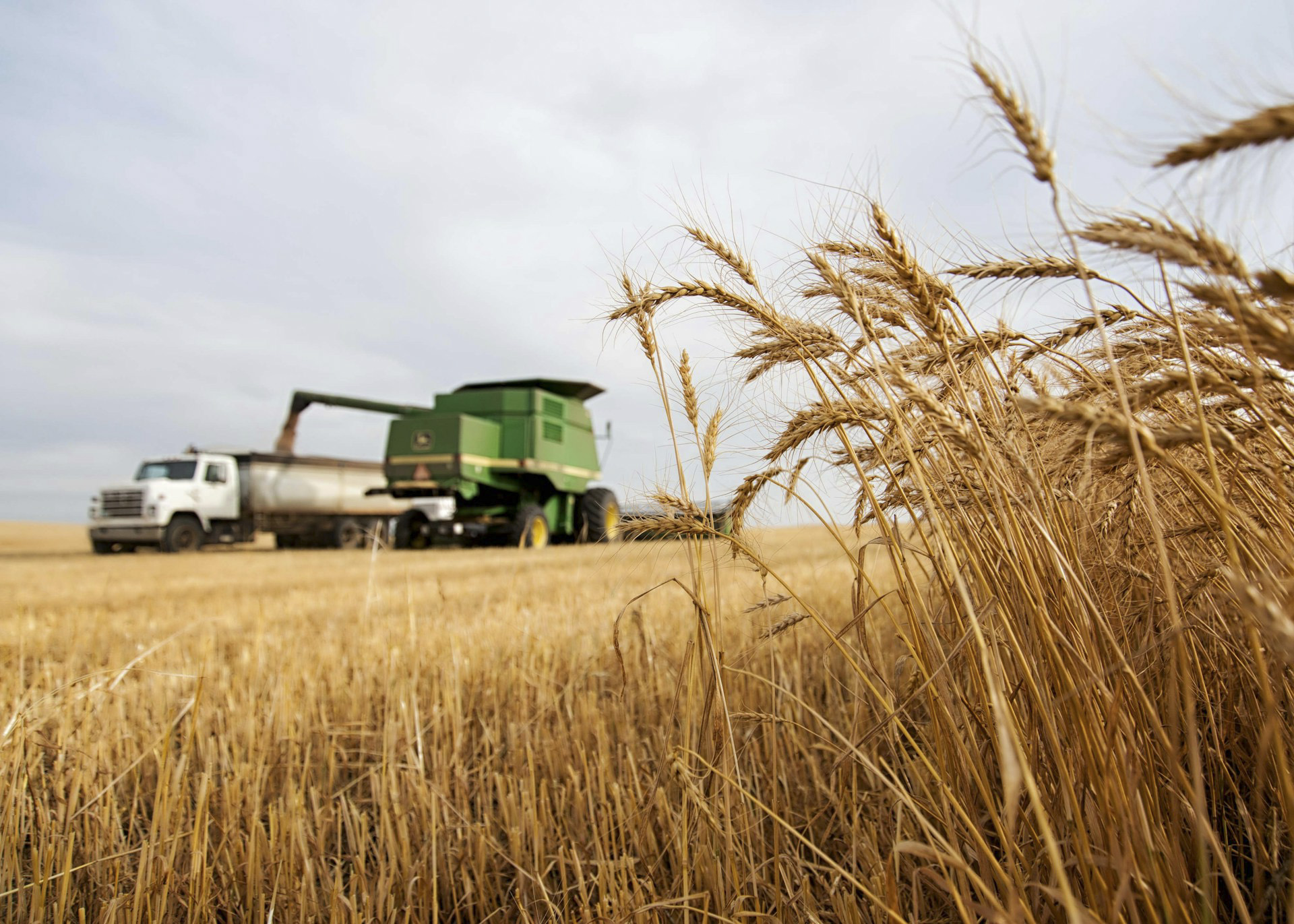
The dry, hot conditions brought combines out two to three weeks ahead of the long-term average across much of the south and east, according to the Agriculture and Horticulture Development Board’s first harvest report of the year, with many farmers working through the night to avoid the worst of the daytime heat. The early picture is one of disappointing yields. Anthony Hopkins, the AHDB’s director of cereals and oilseeds, said cereal yields were generally below the ten-year average, with some farms seeing significant reductions, and that financial pressures were becoming acute for the businesses worst hit after successive difficult years. Wheat crops in some areas are around half their normal height.
The strain extends beyond arable farming. Livestock producers have been drawing on winter feed reserves months earlier than planned, because the drought has stunted the grass their animals graze, raising concerns about feed stocks for the colder months. Vegetable growers report that dwindling irrigation water is directly limiting how much they can produce while pushing up costs.
The wider food-system question
The effect consumers notice tends to be narrow, a shortage of a particular fresh item or higher prices, but analysts point to a deeper vulnerability. Government figures put the UK’s overall food self-sufficiency at around 60 per cent, and Defra data show that only about 16 per cent of the fruit eaten in Britain is grown domestically and just over half of its vegetables, leaving fresh produce heavily dependent on imports that are themselves increasingly exposed to climate extremes abroad. Analysts have described 2025 as one of the worst UK harvests on record, and a second poor year compounds the pressure.
NFU president Tom Bradshaw said the situation could lead to food shortages and that he had asked the prime minister to act. He called for tax relief to help farmers build on-farm water storage to prepare for drier years ahead, arguing that domestic food production cannot be taken for granted as droughts become more frequent. Farming groups increasingly describe this pattern of extremes, drought in some years and flooding in others, as the new normal for British agriculture.
Sources: