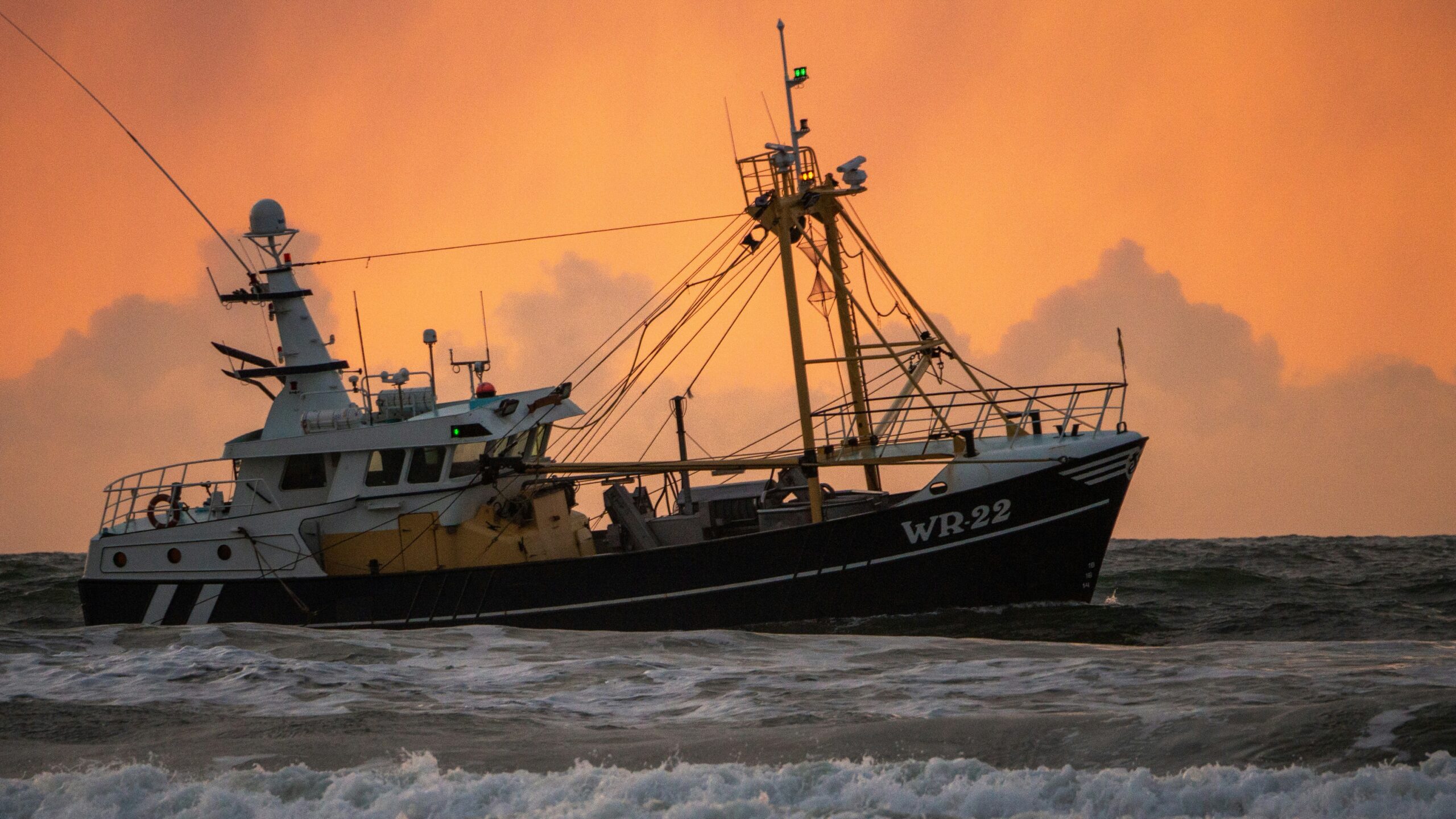
Photo by Wim van ‘t Einde
The Nederlandse Vissersbond (Dutch Fishermen’s Association) has reported that rising sea temperatures are driving a significant increase in squid abundance across the southern and central North Sea, presenting new commercial opportunities for Dutch fishermen – but also exposing gaps in how the fishery is managed.
According to the association, European squid (Loligo vulgaris) is appearing more frequently in waters where it was previously scarce, with growing interest from restaurants and fishmongers within the Netherlands itself. While Dutch vessels have long caught squid, most landings have historically been exported to southern Europe. The association also noted increasing sightings of octopus and tuna in northern waters, which it described as reflecting “broader shifts in species distribution linked to climate change.”
“It is important to discuss how the Dutch fishing industry can move with these new developments, for example in terms of fishing rights and opportunities,” the organisation said.
A wider pattern of ecosystem change
The Dutch experience is consistent with trends observed across UK and northern European seas. Marine surveys have reported increasing sightings of squid, cuttlefish, triggerfish and blue sharks in UK waters, while bluefin tuna numbers in south-west England have been building across the past decade, attributed to both warmer conditions and improved population management. Cold-water species such as cod, meanwhile, are showing declines across parts of their historic range.
Cephalopods such as squid and octopus are particularly responsive to changing conditions: their short lifespans and rapid reproduction allow populations to adapt far more quickly than long-lived fish species, making them early indicators of ecological change. Research published in Scientific Reports has projected that climate change will expand the suitable habitat of Loligo vulgaris northward through the century, with the North Sea warming at a markedly faster rate than the global average.
Management frameworks under strain
The challenge for regulators is that squid biology makes conventional quota management almost impossible. The Nederlandse Vissersbond explains that squid live for only one to two years, reproduce once before dying, and have populations that fluctuate sharply year to year depending on temperature and food availability – making it “virtually impossible” to conduct traditional stock assessments or set reliable catch limits, in a manner similar to the approach used for brown shrimp.
In the absence of quotas, Dutch fishermen have instead agreed on a series of self-regulatory measures, including restrictions on fishing times and areas, minimum mesh sizes to reduce catches of smaller squid, and avoidance of sensitive spawning periods. Some of these have since been incorporated into EU legislation, applying to all vessels in EU waters; the UK has adopted similar rules for the English Channel and North Sea.
MSC recertification incorporates squid
A large proportion of Dutch North Sea fisheries hold Marine Stewardship Council (MSC) certification. The association confirmed that a recertification process is currently under way for fisheries targeting sole, plaice and lemon sole – and that, given squid’s growing commercial significance, the impact of fishing on squid populations is being formally assessed as part of that process by independent fisheries experts and ecologists. The association said successful recertification would improve transparency for buyers and consumers, and support the further professionalisation of management for non-quota species.
The developments in the Netherlands are a microcosm of a much wider challenge: as warming seas redistribute marine species across north-west Europe, fisheries management frameworks built around stable stock distributions are increasingly struggling to reflect the ecological reality they are meant to govern.