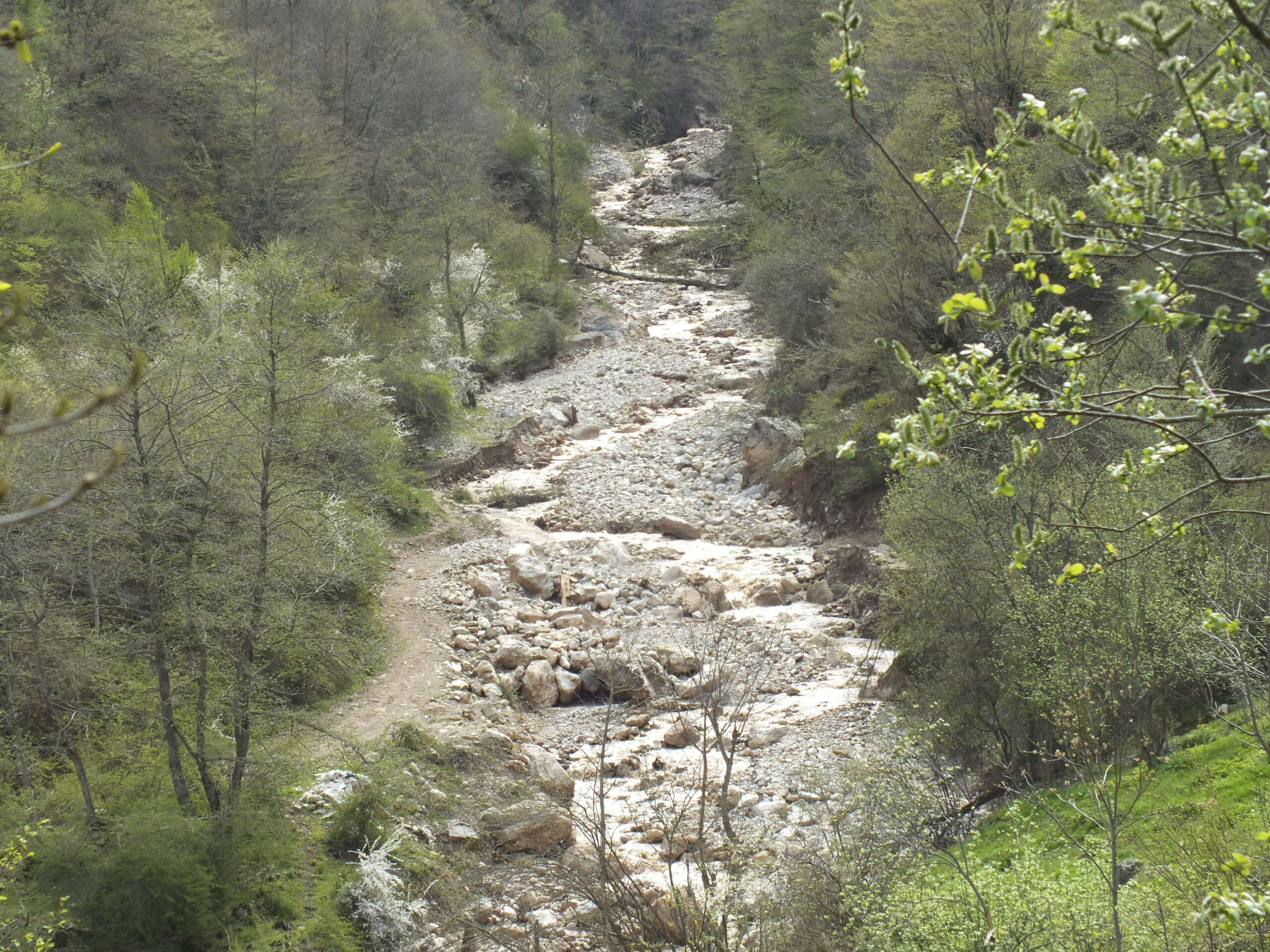
Photo credit: M. Shahri
Hungary’s only nuclear plant came within millimetres of a complete shutdown this week as the drought draining central Europe’s rivers left the Danube too low to cool its reactors. A slight overnight rise in the river bought the Paks plant a reprieve, while downstream in Romania the military has detonated rock in the riverbed in an emergency attempt to keep its own plant supplied with cooling water.
Hungary’s narrow escape
Prime Minister Peter Magyar said that at around half past one on Tuesday morning the plant came within a couple of millimetres of a total power-down, before the Danube stopped falling and rose by 1.5cm, allowing the last turbine to keep running. It was, he said, the most difficult and critical night so far. A full shutdown would have been the first in the plant’s 44-year history.
The reprieve is fragile. Three of the four Soviet-built reactors remain offline, leaving the 2,000-megawatt plant, which supplies around half of Hungary’s electricity, throttled to roughly 240 megawatts on a single turbine. Paks is especially exposed because it uses a direct, once-through cooling system that pumps water straight from the Danube rather than recirculating it through cooling towers, so when the river drops, the plant has no fallback. The level in Budapest fell to around 10cm this week, far below the previous record low of 33cm set in 2018, and little rain is forecast for at least ten days.
To conserve power during one of the year’s highest-demand periods, the government has boosted electricity imports, halted peak-hour rail freight, switched off municipal decorative lighting, and asked heavy industrial users, including the oil group MOL, to cut consumption.
Romania blasts the riverbed
The crisis extends downstream. Both reactors at Romania’s Cernavodă plant were affected by the same low flows last month, with one shut down, prompting a nationwide energy alert. On 3 August the Romanian navy carried out controlled explosions on the Danube’s Bala branch to redirect more water towards the channel that feeds the plant, clearing the way for a temporary dam intended to restore flow. Defence Minister Radu Miruta said every extra day the plant could run was worth far more than the cost of the operation. The state water agency described the intervention as highly complex, with no guarantee of success.
A continental pattern
The two crises sit within a wider European water emergency, with record lows appearing from the Rhine in Germany to the Danube delta. They expose a growing vulnerability for river-cooled thermal and nuclear generation as droughts deepen, removing large blocks of low-carbon power just as heat drives electricity demand up. For the UK, where energy and water planning are often handled separately, it is a reminder of how closely the two systems are bound together.
Sources: