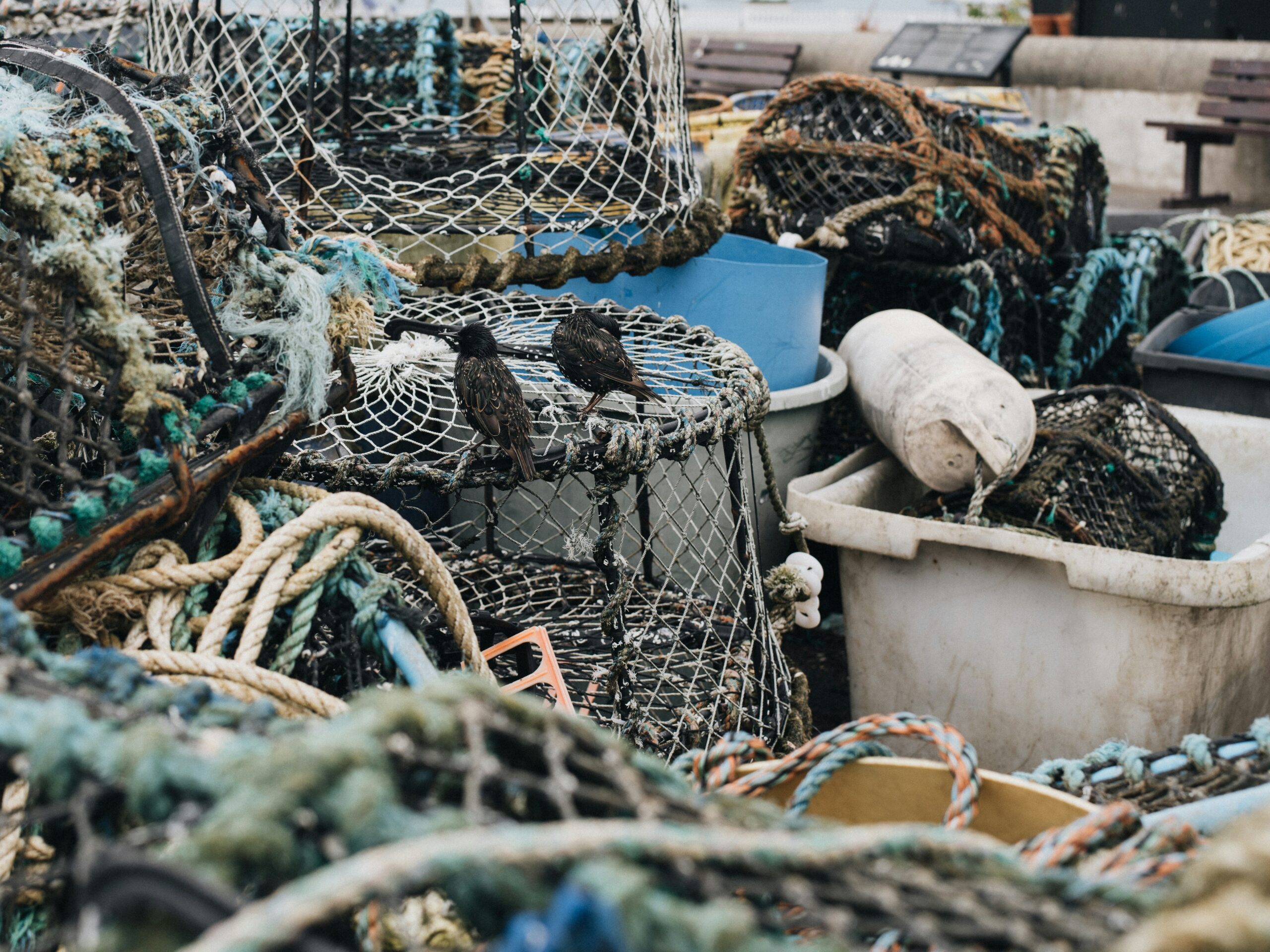
Photo by Annie Spratt
Cornwall’s inshore fisheries regulator is proposing an emergency byelaw to restrict octopus potting by larger vessels, as concern mounts over the impact of an unprecedented population bloom on the region’s crab and lobster fisheries.
Cornwall IFCA announced on 26 May that its members will consider the measure at a quarterly meeting on 12 June 2026. If approved, the byelaw would prohibit multi-hull vessels over 10 metres and mono-hull vessels over 12 metres from using pots to target octopus within the Cornwall IFCA district, coming into force on 1 July 2026 for a period of 12 months. Stakeholders have until 17:00 on 9 June to submit responses.
An unprecedented bloom
The proposal is a direct response to the continuing octopus surge that first gripped the south-west coast in 2025. Scientists from the Marine Biological Association, University of Plymouth, Plymouth Marine Laboratory, and Blue Dog Consulting — in a study commissioned by Plymouth City Council, Devon County Council and Defra — described the event as “the most impactful one in over a century” and a “significant and complex challenge to marine ecosystems and the fishing industry.”
Only four major population blooms of the common octopus (Octopus vulgaris) have been recorded in UK waters in the past 125 years, in 1899–1900, 1932–33, 1950–51, and now since 2025. The research team found that unusually warm sea temperatures were a consistent factor across all recorded blooms, and ocean current modelling suggests that larvae from Guernsey, which has experienced its own bloom since 2024, likely contributed to the UK surge via sustained easterly winds. According to the Marine Management Organisation, over 400 tonnes of octopus were landed in May 2025 alone, a figure unmatched in UK records; prior to the bloom, monthly landings rarely exceeded 75 tonnes.
Commercial catches of common octopus in 2025 were almost 65 times higher than the recent annual average. Some vessels profited significantly, one boat fishing out of Newlyn brought home over 20 tonnes of octopus, worth £142,000, from just three days at sea, with between £6.7 million and £9.4 million worth of octopus landed on the south coast between January and August 2025. But the gains were short-lived; catches dropped sharply from August as the bloom subsided.
Crisis for shellfish fisheries
For crab and lobster fishermen, the picture has been starkly different. A survey of 40 fishermen found that over half reported negative impacts from the surge, with catch rates for brown crab, lobster and scallops dropping by between 30 and 50 per cent in 2025. With octopus numbers continuing into 2026, the outlook for shellfish fisheries remains uncertain.
Plymouth crab fisherman Brian Tapper told ITV: “We used to have a tonne of crab a day but have not had a tonne all year. I’ve tied the boats up and the crew have left because there is no income. The octopus eat everything in sight, they are like locusts.”
Tudor Evans, Leader of Plymouth City Council, said the scientific findings confirmed what fishers had been reporting on the water: “This is a crisis for our local fishing community. The octopus bloom is not a blip – it’s a sustained threat. We need to move beyond reactive measures and there needs to be serious investment in predictive tools and support to help fishers to adapt and safeguard a fishing fleet for the future. This is not a one-season issue. It’s a long-term challenge that demands a long-term fix.”
The regulatory challenge
The byelaw proposal reflects the difficult balance Cornwall IFCA faces. For some larger vessels, octopus has become an economically attractive target at a time when the shellfish sector is already under pressure from fuel costs, quota constraints and fluctuating export markets. For established crab and lobster fishermen, however, the intensification of octopus potting by larger boats is compounding the damage the bloom is already doing to their catches.
The consultation questions specifically ask whether larger vessels should be excluded from using pots to fish for octopus in the district, and invite evidence from those who would be economically affected by the restriction.
It is not the first time Cornwall IFCA has attempted to use an emergency byelaw to protect shellfish stocks. A similar measure proposed in December 2022, aimed at restricting larger vivier vessels from crab and lobster potting, was withdrawn after strong industry objections, despite broad support from inshore fishermen. That episode illustrates the political difficulty of vessel-size restrictions in a fishery where interests are sharply divided.
A climate signal
Scientists are clear that warmer seas are the underlying driver. Dr Bryce Stewart, Senior Research Fellow at the Marine Biological Association, said: “If these conditions persist, octopus blooms could become a more regular feature of our changing seas. Understanding their causes and consequences is vital to help both ecosystems and coastal communities adapt.”
The research team’s report recommends expanding monitoring programmes, developing predictive models, and creating tools to help fishermen report octopus impacts more easily. With climate change likely to increase the frequency of such events, researchers stress the need to understand how sudden influxes of non-resident species affect ecosystem resilience over time.