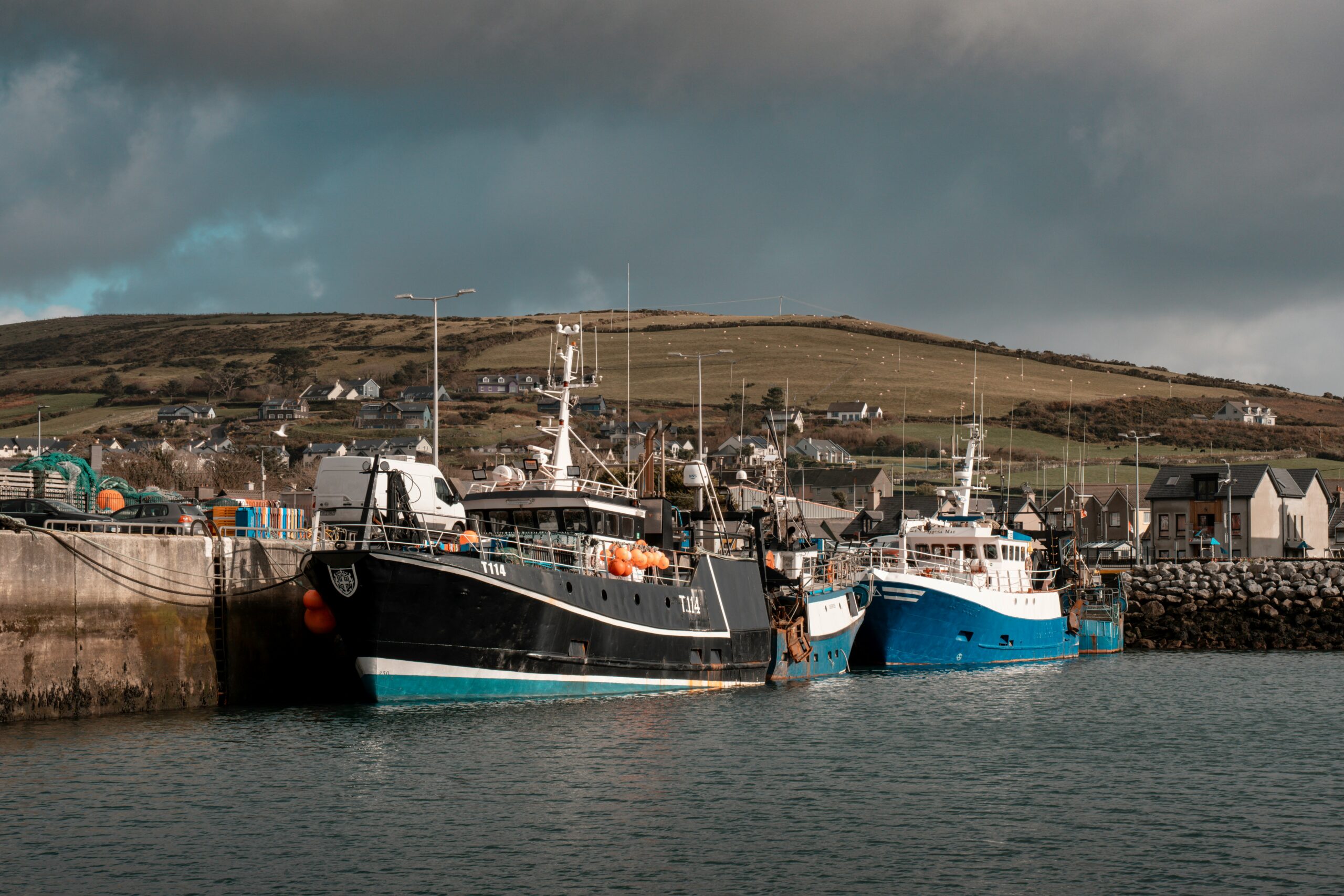
Photo by Raul Ling
A public consultation has opened on a draft Fisheries Management Plan (FMP) for the Irish Sea’s demersal fisheries, setting out proposed measures to rebuild depleted cod and whiting stocks while reviewing how Nephrops, the region’s most valuable catch, is managed in future.
A joint plan across three administrations
The draft Demersal FMP brings together the available evidence on the status of key demersal stocks in the Irish Sea, including Nephrops, cod, haddock, whiting, sole and plaice, and sets out a range of objectives and proposed actions to support their sustainable management. It has been developed jointly by Northern Ireland’s Department of Agriculture, Environment and Rural Affairs (DAERA), the UK’s Department for Environment, Food and Rural Affairs (Defra) and the Welsh Government, covering demersal fisheries in Northern Irish, English and Welsh waters of ICES Division 7.a, The Fishing Daily reports. The consultation opened on 30 July and runs until 21 October 2026, with a stakeholder webinar also planned during the consultation period.
Opening the consultation, Northern Ireland’s Agriculture, Environment and Rural Affairs Minister Andrew Muir said, according to DAERA: “The Irish Sea fisheries are of significant economic, social and environmental importance. These Fisheries Management Plans represent an important step in ensuring that both demersal and pelagic stocks are managed sustainably, balancing the protection of the marine environment with the needs of fishing communities and businesses that rely on them.” He added: “These draft plans are part of a wider programme of Fisheries Management Plans that my Department is responsible for delivering. I would like to thank industry representatives, scientists and stakeholders who have contributed to their development through the working groups and engagement process to date,” before urging stakeholders to take part: “I encourage all interested parties to respond to this consultation to help inform the final plans and support the sustainable future of our fisheries.”
Cod and whiting still in trouble
The draft plan highlights the continued poor status of the Irish Sea’s cod and whiting stocks. The Fishing Daily notes that Irish Sea cod has experienced a steep decline since the early 1990s and remains below biological reference points, despite fishing pressure being below maximum sustainable yield levels and no targeted commercial fishery being permitted. Whiting is in even greater difficulty, with spawning stock biomass below sustainable reference levels since the mid-1990s and fishing mortality still above recommended levels; the species has historically been caught as bycatch in mixed fisheries targeting Nephrops, with much of the catch discarded. Proposed actions include continued development of highly selective fishing gears, additional research, better data on recreational catches, and potential remote electronic monitoring trials on a limited number of vessels.
Nephrops management under review
The plan also raises questions over the future management of Irish Sea Nephrops. While the fishery has traditionally operated within sustainable limits, stock assessments show that both Functional Unit 14 in the eastern Irish Sea and Functional Unit 15 in the western Irish Sea are now below biomass trigger reference points. Managers are proposing an options appraisal to examine future management at Functional Unit level, reflecting long-standing ICES advice that Nephrops should be managed according to individual stock areas rather than through a single wider quota.
Analysis in the draft plan shows Nephrops accounted for almost 95% of landings by weight between 2019 and 2024, with the Northern Ireland fleet responsible for 96% of those catches and around 65% of the total landed value from the Irish Sea. The document also notes that 115 UK and Crown Dependency vessels landed species covered by the plan in 2024, a decline of 40% compared with a decade earlier.
‘Spatial squeeze’ a growing concern
The draft FMP identifies increasing pressure on fishing grounds from offshore renewable energy developments, marine protected areas and other marine activities, warning that the Nephrops fleet is heavily dependent on access to specific mud habitats, and that even small losses of fishing grounds could have significant economic consequences for fishermen and coastal communities.
The FMP is a commitment under the UK Joint Fisheries Statement, and its development has been informed by close engagement with the fishing industry, environmental organisations, scientific bodies and other stakeholders, according to DAERA.