Photo Credit: AdobeStock
The most comprehensive UK-wide assessment yet of where and how sensitive marine species are being accidentally caught in fishing gear has been published by Clean Catch, the Defra-funded bycatch mitigation programme. The literature review and a shorter policy brief identify four broad hotspot fisheries in UK waters, set out the species most at risk in each, and recommend how limited monitoring and mitigation resources should be prioritised. Both documents are independent of Defra.
The four hotspots
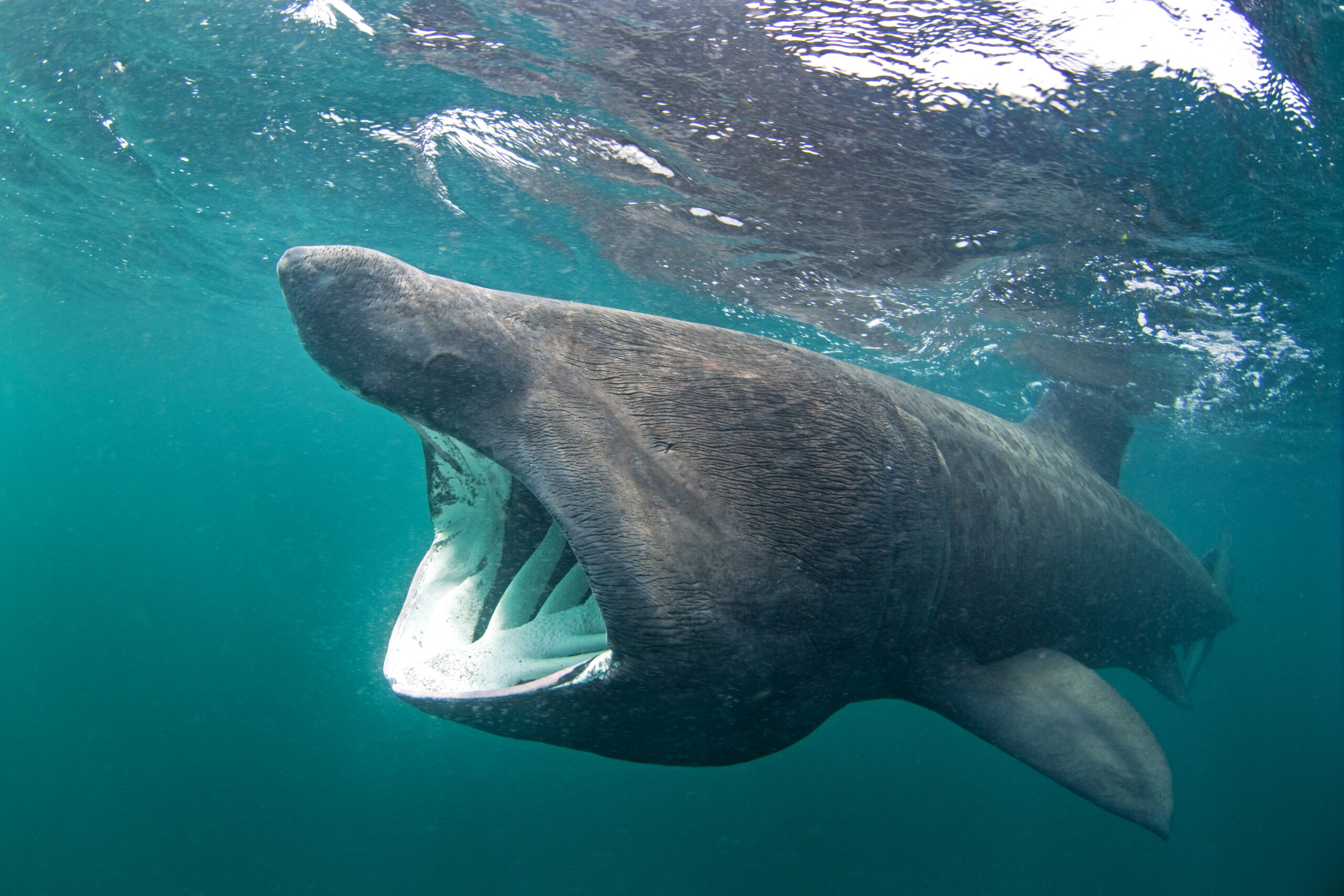
Drawing on peer-reviewed studies, monitoring programmes and fleet effort data, the review identifies four hotspots that meet its criteria for scale, persistence and population-level impact. The longline hake fishery off the north coast of Scotland and in the Celtic Sea is a hotspot for northern fulmar. The Scottish creel (pot) fishery is a hotspot for minke and humpback whales, and for basking shark entanglements. UK-wide static net fisheries affect a range of seabirds, including guillemot, cormorant, shag, great northern diver and razorbill, together with harbour porpoise, common dolphin, and harbour and grey seals. UK-wide trawl fisheries, both pelagic and demersal, are highlighted for their impacts on gannet, common dolphin (particularly in the Celtic Sea and Western Approaches) and a range of sharks, skates and rays. The report notes these are the known hotspots, and others may exist but lack the evidence base to be identified with confidence.
What is already working, and where the gaps are
The review is not starting from a blank sheet. Since 2005, over-12 metre static net vessels in the Celtic Sea, Channel and parts of the North Sea have been required to fit acoustic “pingers” to warn cetaceans; a recent analysis of Bycatch Monitoring Programme data from 2008 to 2023 associates pinger use with a 77 per cent fall in harbour porpoise bycatch and a 33 per cent fall in that of common dolphin. A co-designed byelaw for the Filey Bay salmon and sea trout fishery, introduced in 2010 after a voluntary code the year before, is credited with an 85 per cent reduction in seabird bycatch. Live trials are underway on seabird-scaring lines with the Eastern England Fish Producers Organisation, on “pearl” acoustic reflectors on nets through the European CIBBRiNA project, and on sinking groundlines in the Scottish creel fishery through the Scottish Entanglement Alliance. The biggest evidence gap, the review argues, is around elasmobranchs: bycatch of sharks, skates and rays has been far less researched in the UK than for seabirds and marine mammals, and a UK-wide programme is needed to close what it calls “the shark gap”.
What the report asks for
The policy brief sets out five recommendations of most relevance to government. It calls for monitoring and mitigation to be prioritised in known hotspots and, given trawl effort exceeds all other gears in UK waters, for trawl fisheries in particular to be the focus for action. It urges continued funding for long-term monitoring, including the Bycatch Monitoring Programme, the UK Cetacean Strandings Investigation Programme and the Scottish Marine Animal Stranding Scheme, on the grounds that consistent methods over time are what allow shifts in risk to be detected. It also calls for wider use of self-reporting by fishermen and Remote Electronic Monitoring alongside observer coverage, and for reporting processes to be consolidated so data is not duplicated and the burden on the industry is minimised.
Sources: