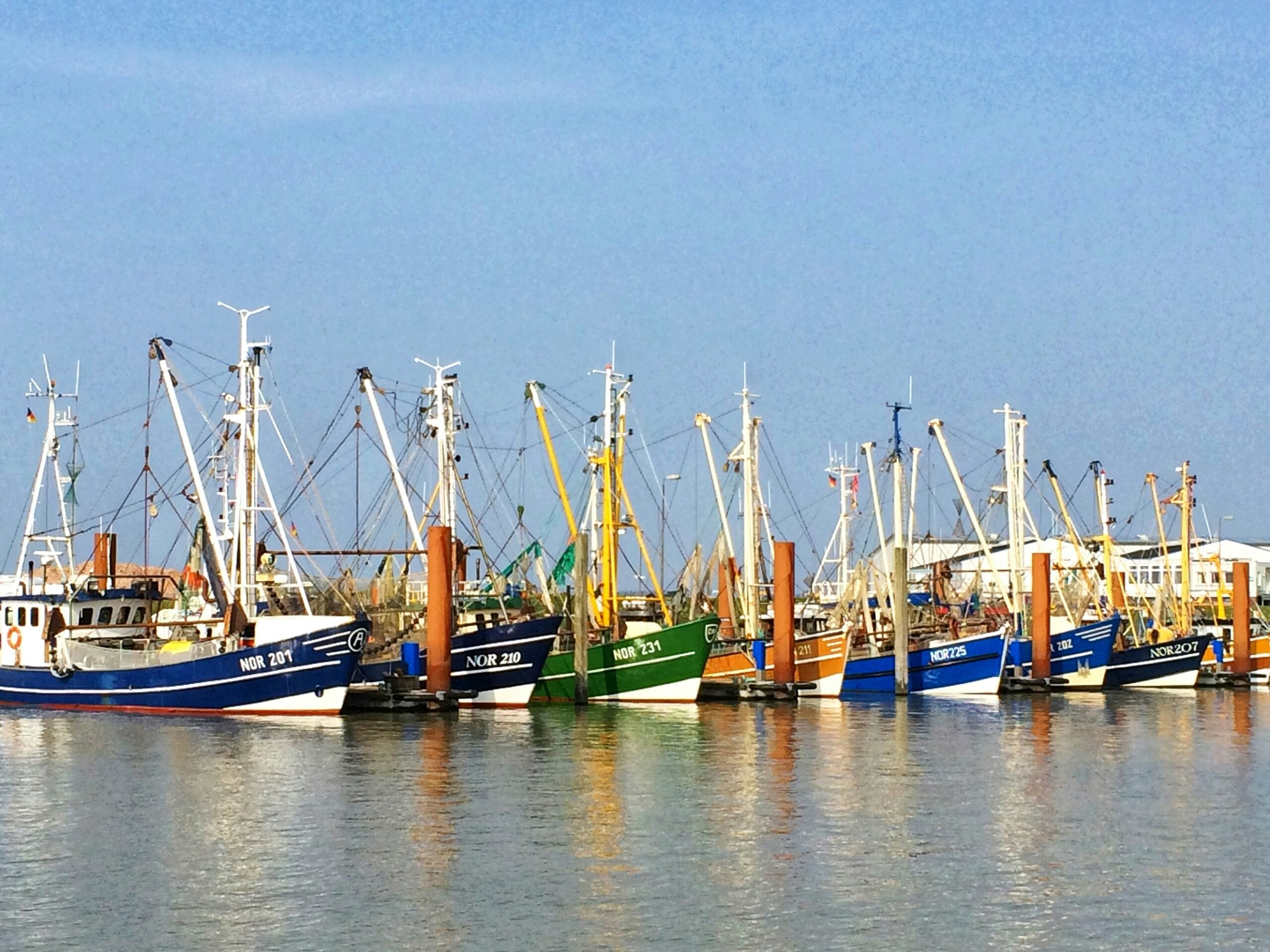
Photo by Christian Paul Stobbe
A landmark study published in Reviews in Fish Biology and Fisheries has produced the first global inventory of fish species caught by bottom trawl fisheries — and the scale is striking. Researchers at the University of British Columbia documented nearly 3,000 species of marine fish caught by bottom trawls, drawn from 236 sources in the UN Food and Agriculture Organization’s document repository and supplementary literature. Extrapolation models suggest the true figure could be between 3,700 and 5,697 species.
The research was led by Sarah Foster, who heads the Project Seahorse initiative at UBC. She told Mongabay that the study grew from a deceptively simple question about seahorse bycatch: “I was surprised to realize there was no clear answer. One of the most basic questions in fisheries is what is actually being caught, and yet, for bottom trawling, that baseline understanding was missing.”
Threatened species caught in every region
Of the 2,181 species for which conservation assessments exist, around 78% are classified as least concern on the IUCN Red List. However, the study found that roughly 15% are threatened or near threatened — approximately 237 species — and that trawling-related pressures are more frequently cited in the conservation assessments of at-risk species. Foster noted that “species of conservation concern turned up in bottom trawl catches in every region we examined except Antarctica,” adding that the biodiversity impact is not confined to any single trawling hotspot.
The hidden cost of small fish
A further concern raised by the study is a systematic bias in how catches are recorded. Larger fish tend to be documented individually, while smaller species are often lumped together under labels such as “mixed fish” or “trash fish.” Around 23% of species in the database are either data deficient or not evaluated at all, meaning their conservation status is entirely unknown. Foster argued that this matters on two levels: “First, it means we don’t actually know what fisheries are catching — and we cannot manage what we do not measure. Second, this practice effectively undervalues those species. These are not just incidental organisms; many play vital roles in ocean ecosystems and also support human livelihoods.”
The findings support a move towards more selective fishing methods and restrictions on where and when bottom trawling is permitted, Foster said.
A disputed scale
Not everyone accepts the study’s framing. Ray Hilborn, a fisheries expert at the University of Washington who was not involved in the research, told Mongabay he was not surprised by the species count but felt the paper overstates trawling’s global impact without sufficient spatial context. “Certainly in some places trawling is intense,” he said, “but only a small fraction of the continental shelves have ever been trawled.”
The study draws on records spanning exclusive economic zones globally, covering 1,043 genera, 323 families, and 75 orders of fish. Most species were reported as bycatch, often in otter trawls targeting shrimp or multi-species assemblages — the commercial catches that drive the fishery, but far from the only life entering the nets.