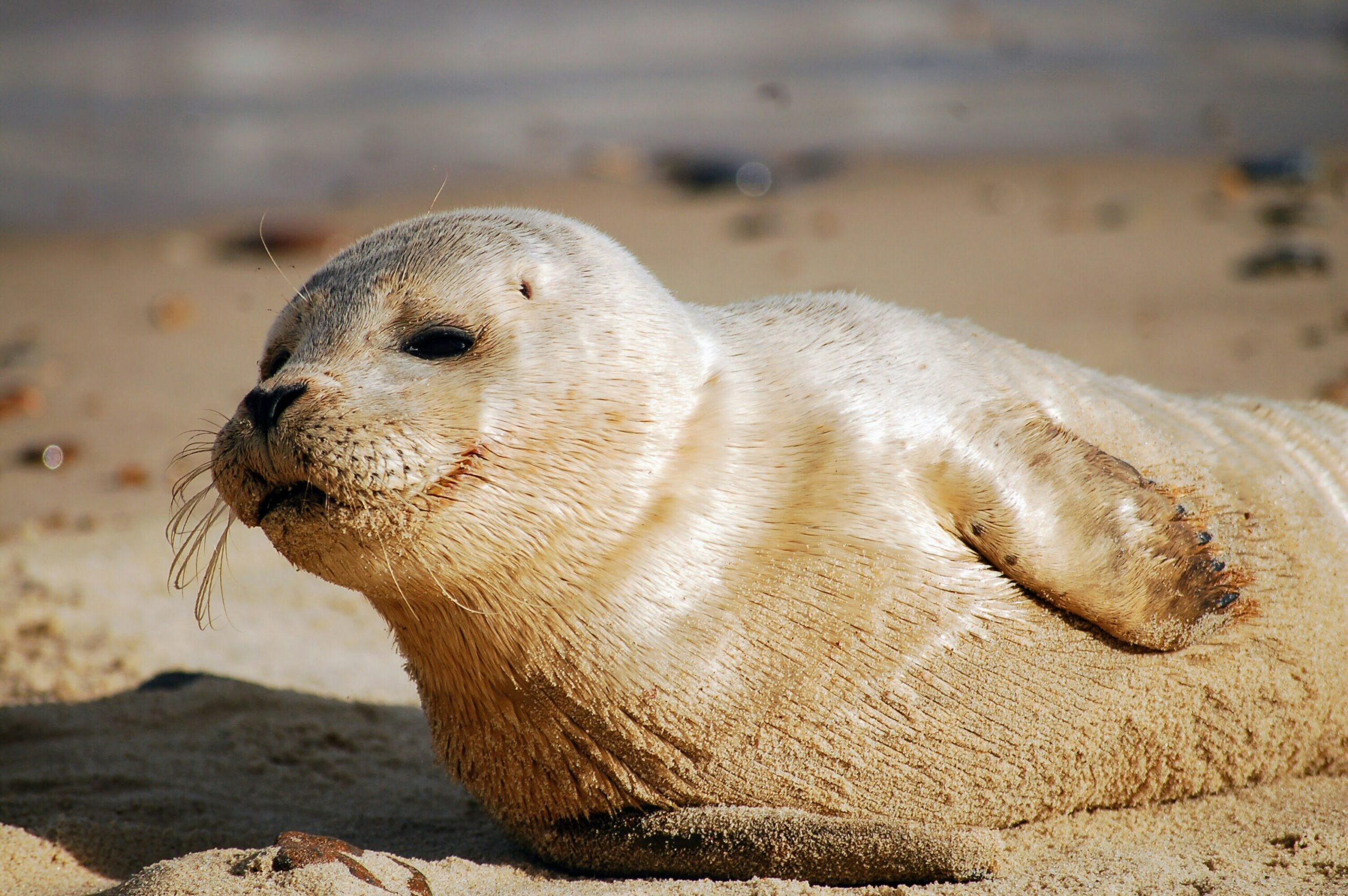
Photo by Amy Asher
Volunteers rescuing marine mammals entangled in discarded plastic waste along Yorkshire’s coast attended 41 call-outs in 2025, more than four times the nine recorded in 2019, the BBC reports, in a trend that rescue workers say reflects a worsening crisis of beach litter left behind by holidaymakers.
Chris Cook, an area co-ordinator for British Divers Marine Life Rescue (BDMLR), told the BBC the problem was severe: “Unfortunately, if they are entangled, there’s a very high risk the animal will not survive. There’s everything from plastic, to rope, to flying rings, that holidaymakers bring to the coast. For our marine life they’re an absolute nightmare.”
Most call-outs in 2025 involved seals, which are particularly vulnerable to plastic rings and other hooped objects left on beaches. Cook explained the mechanism of harm: “The types of material we see, flying rings, for example, are hard plastic. Seals will have a look, get their head stuck – then, if they keep feeding, the object will dig into the animal itself. The reality is, if an animal is entangled it will severely affect its ability to move or feed.”
He offered practical guidance for beachgoers: “If you are taking a frisbee – take a solid ring, rather than the holed ring. The fact it’s solid means it’s much safer in that coastal environment than one of the open rings. If you take it to the beach, make sure it goes home with you. If you see something on the beach, pick it up and put it in the bin. It’s just taking that bit of responsibility.”
Community response
While BDMLR volunteers respond to emergencies on the water, a parallel effort is under way on land to address the problem at source. Mick Couzens, founder of Keep Scarborough Tidy, has been running litter-picking sessions in schools along the Yorkshire coast, telling the BBC that early education is key: “It’s so important to talk to people when they’re young. Rubbish affects lifestyles and animals – it’s very sad. It injures animals. The children really understand that and they want to help.”
Couzens, who retired to Scarborough in 2019 and founded the group two years later after being frustrated by the volume of litter and fly-tipped rubbish, has since organised hundreds of community litter-picks. He recounted one telling moment from a primary school session: “A four-year-old said to me: ‘My daddy drops cigarette butts in the street – I’m going to go home and have a word with my daddy.'”
Ginny Wilkinson, who manages Seamer Pre-School near Scarborough, said: “We only have one world. The children need to understand from a very young age – and they do – that keeping the place tidy, looking after the animals and birds, and learning how to grow food are all life skills. They learn those skills, the skills become embedded, and the children grow up hopefully doing all the things we taught them when they were three or four.”
The quadrupling of rescue call-outs over six years underlines what marine conservation groups have long argued: that voluntary clean-up efforts, however valuable, cannot substitute for behavioural change among the millions of people who visit Britain’s coastline each year.