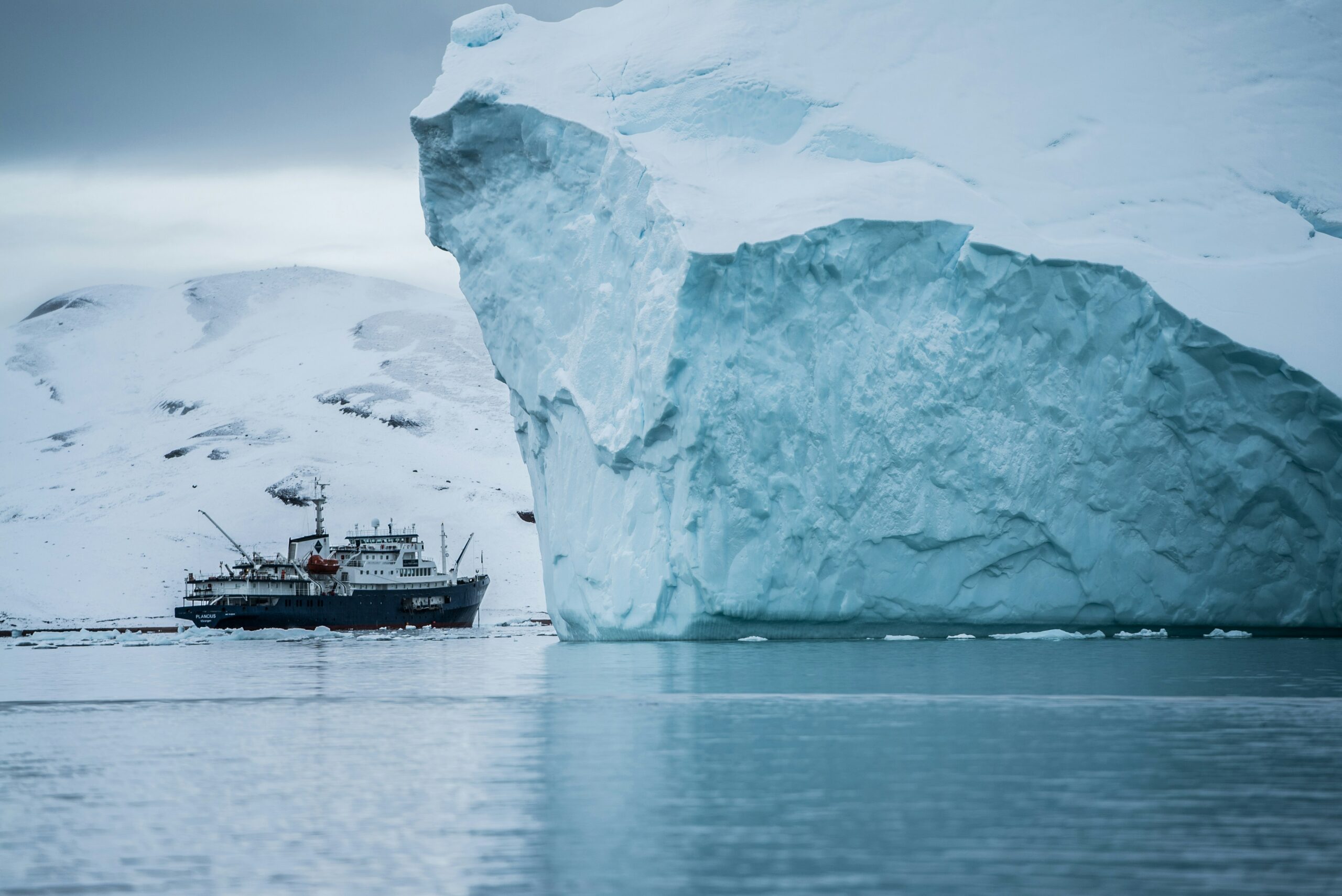
Photo by Hubert Neufeld
A newly published 20-year analysis of maritime incidents along the Northern Sea Route (NSR) has found that ice-related accidents are increasing even as melting sea ice opens the route to more traffic, raising fresh concerns about safety standards and rescue capacity along one of the world’s most remote and strategically significant shipping corridors.
The study, published in the journal Ocean and Coastal Management, compiled 170 reported maritime incidents along the NSR between 2005 and 2024, drawing on multiple international databases to produce the most comprehensive long-term dataset of its kind. The research was led by scientists at institutions in China, with funding from the National Natural Science Foundation of China.
Machinery failures, collisions and ice
The most common type of incident recorded was machinery damage or failure, followed by collision or allision, where a moving vessel strikes a stationary object, and ice-bound incidents. The main causes were sea ice, engine failure and other equipment damage. Most incidents involved tankers, general cargo ships and fishing vessels, typically over 20 years old, with small tonnage and low engine power, and the majority were registered under the Russian flag.
The study found incidents occur most frequently in autumn and winter, peaking between September and November, precisely the period when commercial pressure to complete transits before freeze-up is at its highest. Geographically, the western NSR accounted for 130 of the 170 cases, more than three times the number recorded in the eastern sector. The Barents Sea reported the highest number of incidents, predominantly machinery failures, while the Kara Sea ranked second, with collisions predominating.
One of the study’s most striking findings concerns the proximity of incidents to rescue infrastructure. Some 65.4 per cent of recorded incidents occurred more than 200 kilometres from the nearest search and rescue base — a sobering statistic given the Arctic’s extreme weather, low temperatures and near-total absence of port facilities along much of the route.
Ice incidents rising despite, or because of, warming
Paradoxically, the study finds that ice-related incidents have increased even as overall sea ice extent has declined. Ice-related accidents rose from 18 in the period 2005–2014 to 40 in 2015–2024, highlighting what the authors describe as “the persistent risk posed by rapidly changing ice conditions.” As predictable multi-year ice gives way to younger, less stable first-year ice, conditions have become harder for crews and vessels to read, particularly those with limited Arctic experience.
This pattern sits within a broader picture of surging NSR traffic. The number of transit voyages along the route grew from just 4 in 2010 to 97 in 2024, with total cargo throughput reaching 3.08 million tonnes. In 2025, 103 transit voyages were recorded, a slight year-on-year increase, though ice conditions proved less favourable than in recent years, with the open-water window lasting no more than approximately two weeks late in the season.
An ageing, under-regulated fleet
The safety concerns identified in the study are compounded by a wider pattern of questionable vessel standards on the NSR. A 2025 report by the Clean Arctic Alliance found that ageing, non-ice-class tankers and cargo ships operating under suspect flags were being permitted on the route. In 2024, of 100 non-Russian vessels that received NSR permits, one third were not ice-class vessels and more than half of oil tankers were over 15 years old. Many had changed their flag or name during the year, a pattern familiar from the sanctions-evading ghost tanker fleet, which has also been observed using the NSR to circumvent Western restrictions on Russian oil exports.
The December 2025 case of the gas carrier Buran, which became stuck in the Gulf of Ob after multiple nuclear icebreakers failed to free it, illustrated the unpredictability of Arctic conditions even for well-equipped vessels. The study’s authors argue that their findings offer essential data to support incident management in the region, enabling policymakers to strengthen regulations and operational guidelines for safer NSR navigation.