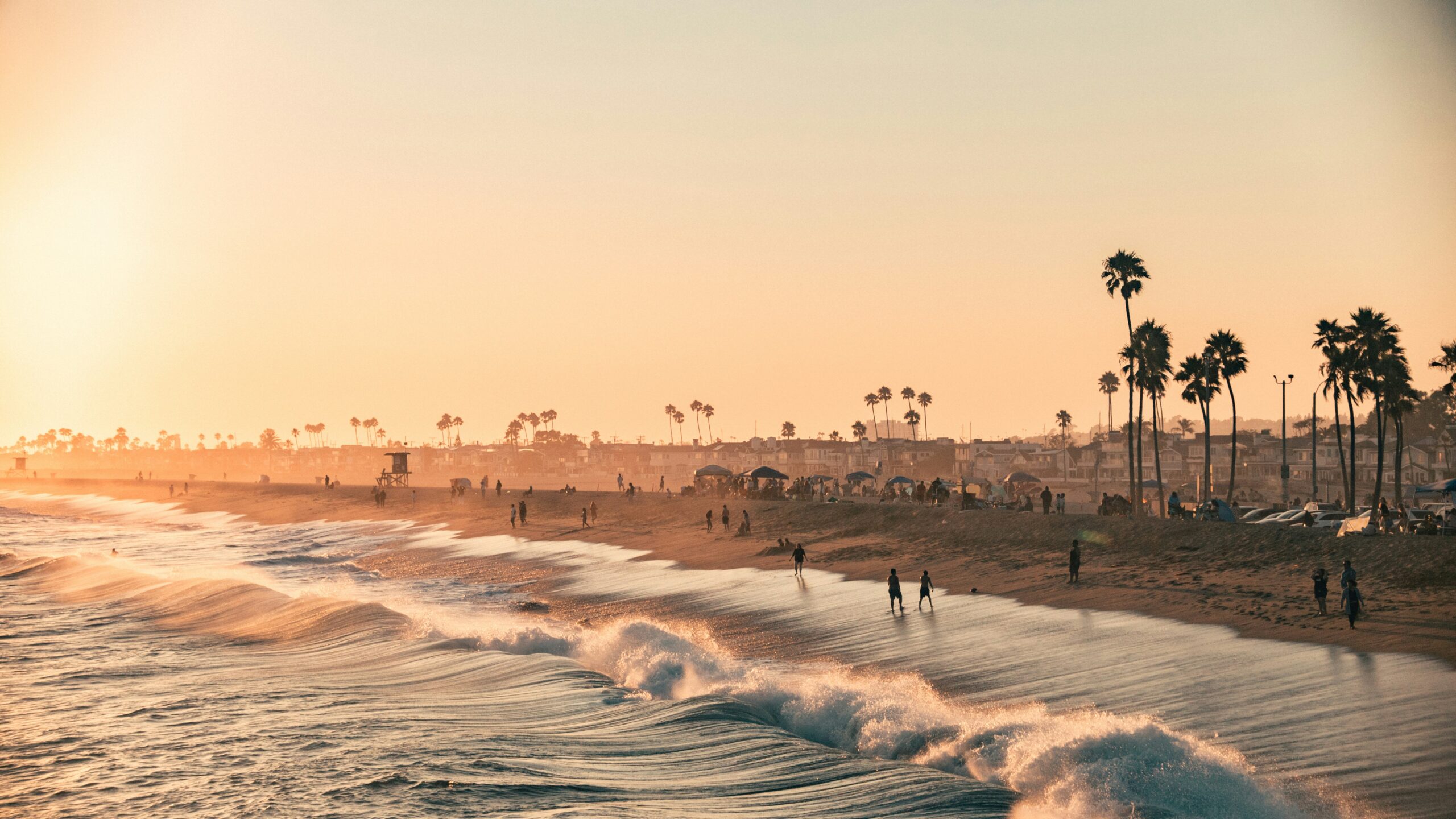
Photo by Gustavo Zambelli
A large and persistent marine heatwave is intensifying across the northeast Pacific Ocean, raising concerns among scientists about ecosystem disruption along the US West Coast – and forecasters warn that global marine heatwave coverage is on course to reach record levels by the end of the year.
The heatwave has been building since mid-2025 and has expanded significantly throughout March and April 2026, with sea surface temperatures along the California and Mexican Pacific coasts now running 2–5°F above normal. Localised hotspots have exceeded 7°F above average, and peak anomalies over the full duration of the event have reached approximately 11°F in some areas. Marine heatwave conditions now affect roughly 45–55% of the ocean area in the region, with much of that running at Category 2 (strong) to Category 3 (severe) intensity, and localised areas reaching Category 4 (extreme).
The role of climate change
Climate Central, which issued an alert on the event on 24 April, found that human-caused warming is a substantial driver. Without climate change, the total marine heatwave footprint would be approximately 36% smaller, around 13.7 million km² of the affected ocean would not have experienced heatwave conditions at all. The average location would have experienced around 18 heatwave days rather than the approximately 115 days recorded, representing a dramatic increase in duration and exposure.
NOAA research oceanographer Andrew Leising, who runs the California Current Marine Heatwave Tracker, said: “We are in uncharted conditions, so we need to assess the most likely outcome given what we know.” Past marine heatwaves have significantly disrupted marine ecosystems in the northeast Pacific, driving shifts in species distribution, die-offs and other ecological changes.
Ecosystem impacts
Wildlife is already feeling the effects. According to marine ornithologists cited by Climate Central, seabirds are unable to locate their typical food sources as fish migrate towards cooler waters – indicative of broader food chain disruption. NOAA scientists are also watching carefully for the possible development of harmful algal blooms, which can sicken marine mammals and force the closure of shellfish fisheries – an outcome that has precedent: a toxic algal bloom of unprecedented scale during the 2014–16 northeast Pacific heatwave led to the closure of a major commercial crab fishery.
A record-warm ocean on the horizon
The northeast Pacific event does not sit in isolation. According to a Marine Heatwave Outlook published by Climate Impact Company on 23 April, global marine heatwave coverage currently stands at 27% of the world’s ocean surface, already ahead of earlier projections, and NOAA forecasts this rising to 40% later in 2026. Climate Impact Company estimates coverage could climb as high as 45% by August to October, and considers a record warm global ocean surface likely if an El Niño develops as expected after mid-year.
Beyond the Pacific, the outlook identifies active heatwaves in the Norwegian Sea and forecasts a new one intensifying in the Mediterranean. In the North Atlantic, the so-called North Atlantic Warm Hole south of Greenland is strengthening, a pattern that has contributed to intense summertime high pressure ridges over Europe in seven of the past ten years.
Large marine heatwaves have now occurred each of the last seven years. What scientists are watching most closely is whether the combination of the current Pacific heatwave and an emerging El Niño will push ocean temperatures beyond anything previously recorded.