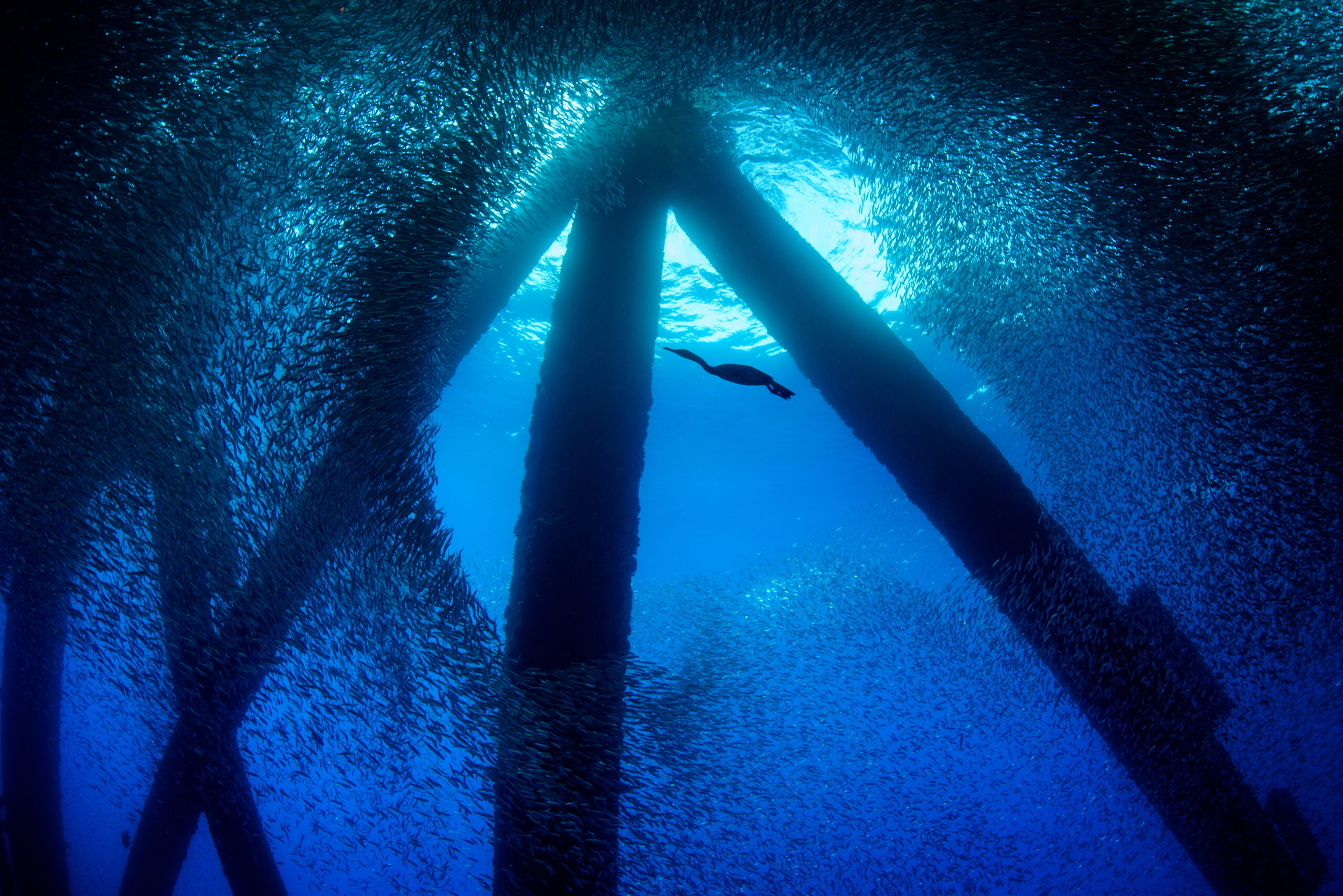
Photo by Michael Ziegler
The North Sea is at a critical inflection point. A vast number of ageing oil and gas structures are reaching the end of their operational life and will require decommissioning, while hundreds of new offshore wind turbines are being deployed. As the basin becomes increasingly geopolitically contested, and with future considerations relating to energy security becoming increasingly important, understanding the implications for seabed systems, as well as overall ecosystem function and connectivity, is now essential. The decisions being made today will shape the future of the basin for decades to come.
The 2026 Structures in the Marine Environment (SIME) conference, organised by the INSITE Programme and taking place at the Copthorne Hotel, Newcastle on 9–10 June 2026, is where these decisions are critically examined. Bringing together the latest developments in science, policy, innovation, and social understanding, it provides a forum to explore how the North Sea is being reshaped. If you work in North Sea policy, regulation, science, or industry, this is the room to be in.
The North Sea – a basin under pressure from all sides
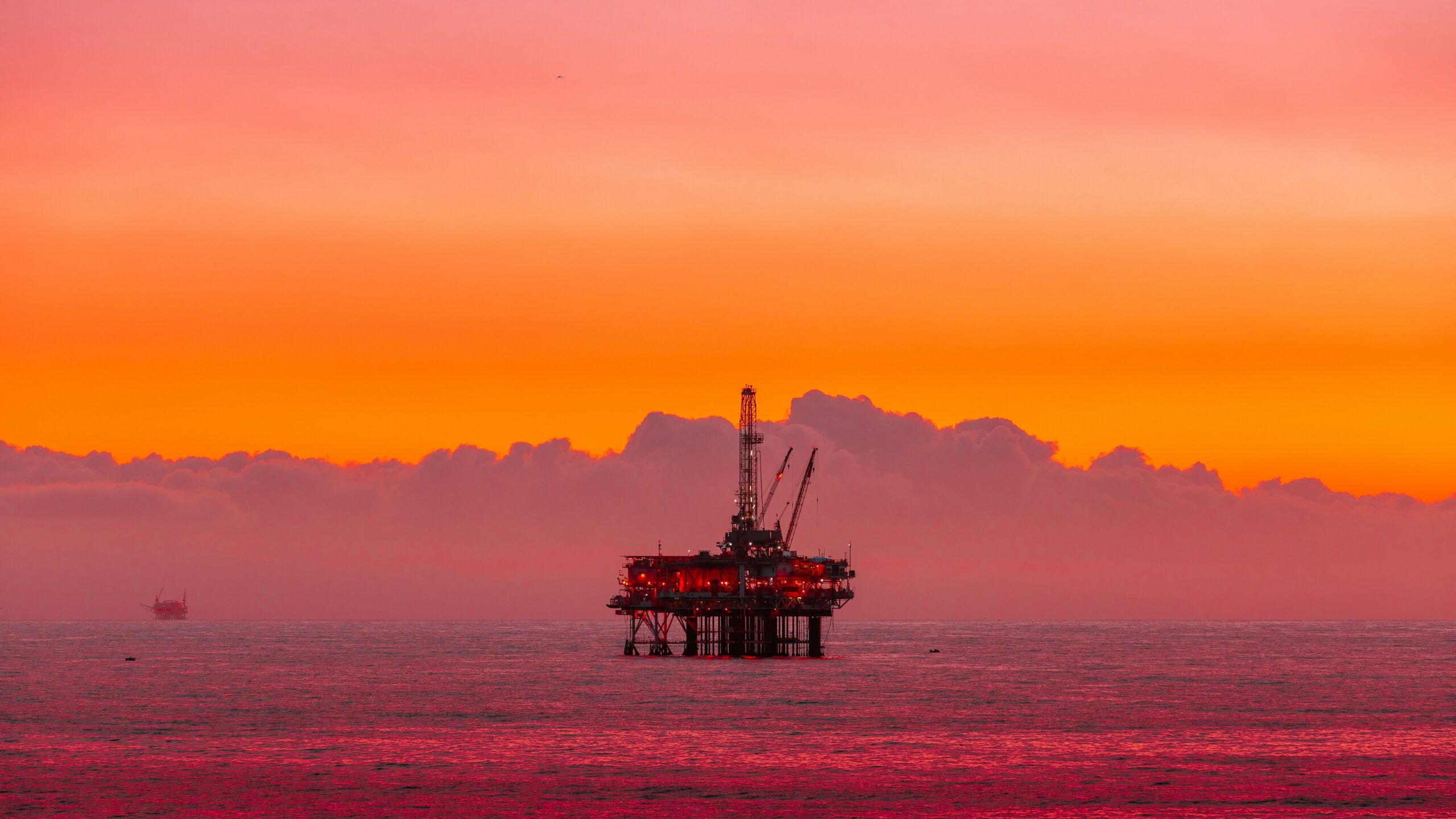
Photo by Arvind Vallabh
Offshore Energies UK projects that 2026 alone will see over 100,000 tonnes of oil and gas topsides removed while more than 200 large-scale wind turbines are installed, both industries competing for the same vessels, workforce and seabed. The NSTA recorded a record £2.4 billion in decommissioning spend in 2024, with more than 1,000 wells to be plugged and abandoned over the coming decade, the largest such liability of any country in the world. Progress has been uneven: the NSTA has named operators that have missed decommissioning deadlines, with over 500 wells already overdue, and has opened formal investigations into alleged failures.
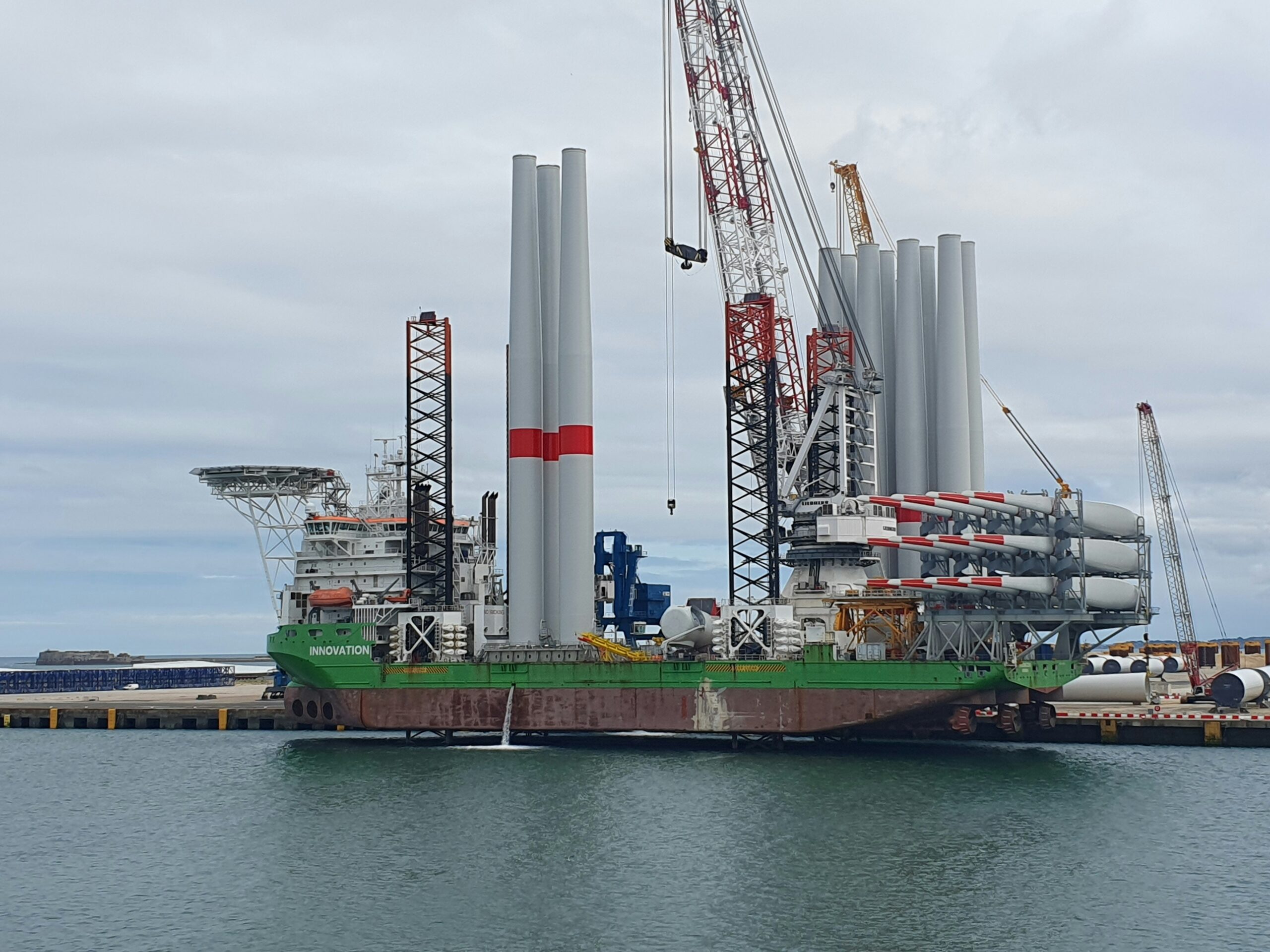
Photo by Rob Webbon
The political backdrop is equally charged. The government’s ban on new exploration licences remains contested in the wake of the Iran conflict, with the fate of Rosebank and Jackdaw – both ruled unlawfully consented and awaiting new decisions – keeping the debate live. And on 9th April, Defence Secretary John Healey revealed that three Russian submarines had spent more than a month conducting a covert operation above undersea cables and pipelines north of the UK – vessels designed, he said, to “survey underwater infrastructure during peacetime, and sabotage it in conflict.” No damage was found, but RUSI researcher Dr Sidharth Kaushal told the BBC that the UK’s ability to constrain such operations in peacetime is “limited.” With 77% of UK gas imports arriving via pipeline from Norway, the management of North Sea infrastructure is no longer purely an environmental question.
Science that is changing the conversation
INSITE, the Influence of marine artificial Structures In The Ecosystem programme, was launched in 2015 to build the independent scientific evidence base needed to understand the effects of marine artificial structures and guide sustainable marine policy. Industry-funded but independently managed, with scientific oversight from an expert advisory group, it has supported 18 research projects across two phases, involving 17 institutions from five countries and investing nearly £10 million.
In a basin that is 99% soft sediment, INSITE’s Phase 2 research found that man-made structures form inter-connected hard substrate networks across the North Sea, supporting locally increased biodiversity, including species of conservation value, and enhanced local populations of commercially important fish and shellfish. At the same time, less complex food webs in sediments around platforms point to the legacy of contamination that persists long after decommissioning. A third strand of findings showed that cutting-edge technologies, from autonomous underwater vehicles to AI-assisted imagery analysis, can now provide the kind of standardised, cost-effective monitoring that robust decommissioning decisions require.
The programme’s Synthesis Project, which brought together 39 scientists from 30 institutions across seven countries, concluded that a case-by-case approach to decommissioning is needed, and that repurposing or abandoning structures may in many cases better serve environmental targets than full removal. That sits in direct tension with OSPAR Decision 98/3, which requires full removal as the legal default, and points to the kind of policy evolution that INSITE’s ongoing work is designed to support.
Where Phase 3 takes it next
Now in its third phase (2024–2027), supported by £2.025 million from nine industry sponsors and a £5 million NERC collaboration, INSITE is targeting the research gaps that matter most for the decisions ahead.
VALMAS, co-funded by NERC and the INSITE industry consortium, is building the evidence base needed to value marine artificial structures across their full life cycle; quantifying what structures contribute to blue carbon, biodiversity, fisheries and noise reduction, and how those values change under different management scenarios. The end product is a suite of co-developed decision support tools designed to help regulators and industry weigh the real costs and benefits of removal, repurposing or leaving structures in place.
READ-ME is documenting public and stakeholder attitudes to decommissioning through surveys, Delphi studies and immersive 3D visualisations, giving policy a social evidence base alongside the scientific one. Led by Professor Siân Rees at the University of Plymouth, and delivered in partnership with the University of Aberdeen, the National Decommissioning Centre and others, the project is supported by a steering group spanning government, industry and conservation organisations. Its ambition is to ensure that decommissioning strategies reflect societal priorities while supporting a just transition for North Sea communities. An industry showcase is planned at the National Decommissioning Centre later in 2026.
CoRRODE, led by Professor Alfred Akisanya at the University of Aberdeen in collaboration with the National Decommissioning Centre, is investigating the release of contaminants including heavy metals and naturally occurring radioactive materials from degrading carbon steel pipelines. OSPAR regulations do not yet cover pipeline decommissioning, and the project’s findings are designed to help close that gap, feeding directly into Environmental Impact Assessments and comparative assessment processes.
SIME 2026 brings together two full days of the latest research alongside talks from regulators and evidence leads working across the sector – discussing the key challenges and opportunities shaping the future for marine artificial structures. Secure your place via Eventbrite.