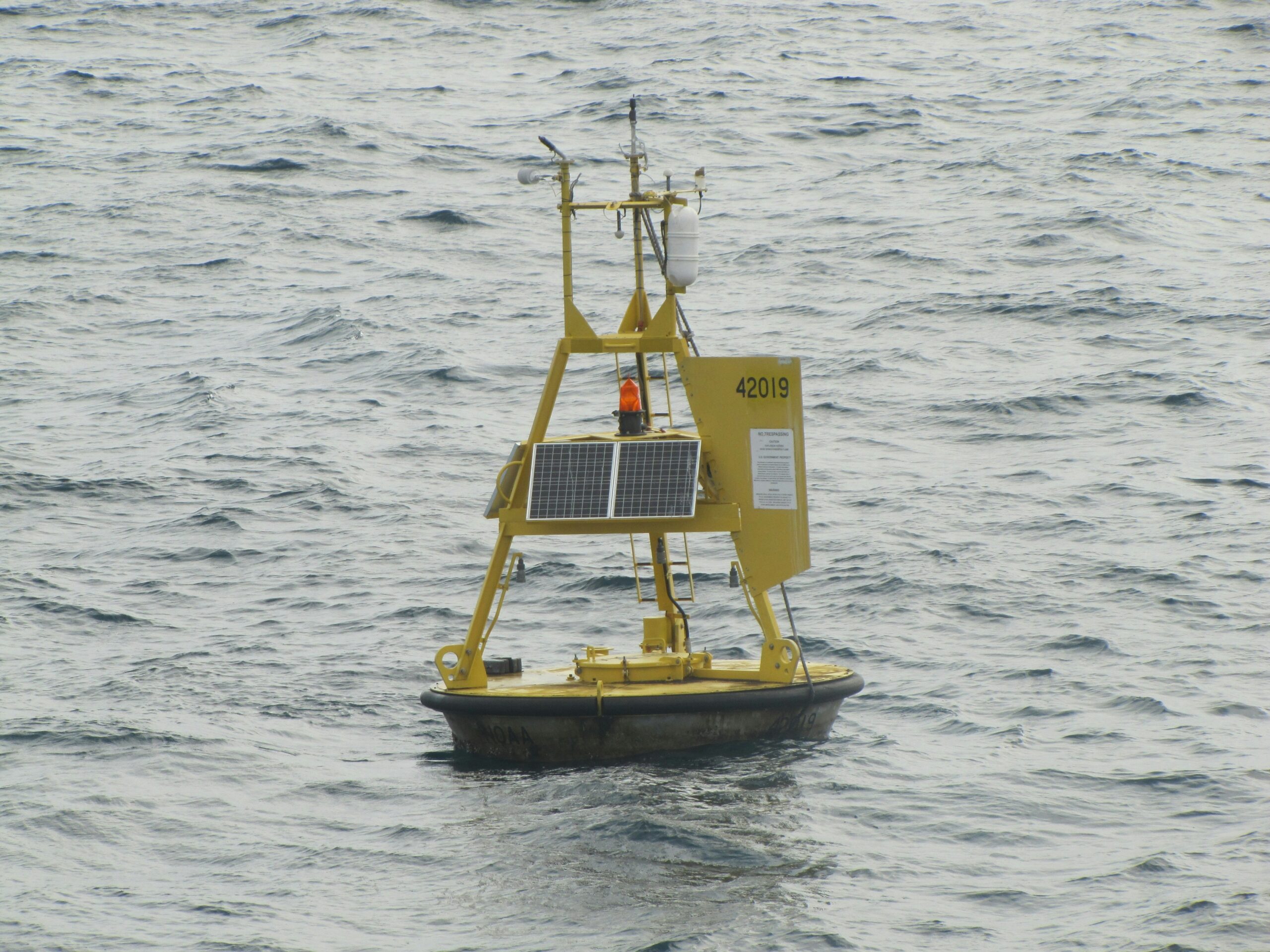
Photo by NOAA
The government announced a £50 million Plymouth Defence Growth Deal on 9 April, cementing the city’s position as a leader in maritime autonomous systems and promising hundreds of new skilled jobs across the South West. The investment directly responds to commitments in the Strategic Defence Review to expand the UK’s autonomous maritime expertise, and forms part of the government’s broader pledge to increase defence spending to 2.6% of GDP from 2027.
Expanding the National Centre for Marine Autonomy
The centrepiece of the deal is an expansion of the National Centre for Marine Autonomy, which will receive new waterfront innovation labs and state-of-the-art testing facilities to reduce regulatory barriers for businesses developing surface and subsurface maritime drones. Alongside this, a new Plymouth Marine Autonomy Trials Authority will be established to support start-ups and marine autonomy businesses in testing and deploying autonomous systems, helping firms navigate regulatory processes and bring technology to market more quickly.
Defence Minister Lord Vernon Coaker said: “Plymouth is already vital for the UK’s defence, with the largest naval base in Western Europe at HMNB Devonport providing the backbone of the UK’s submarine fleet. Defence investment in Plymouth isn’t just good for the city, it directly strengthens the UK’s ability to keep our seas safe and our country secure.”
Marine science at the heart of delivery
Plymouth Marine Laboratory (PML) is among the organisations positioned to play a central role in delivering the deal. PML operates Smart Sound Plymouth — a world-leading testing facility for marine autonomy, uncrewed systems and advanced ocean technologies with access to authorised water space in Plymouth Sound. Professor James Fishwick, Head of Smart Sound Plymouth and Head of Marine Technology and Autonomy at PML, welcomed the announcement, saying: “Plymouth is fast becoming a global centre for marine autonomy, and Smart Sound Plymouth is at the heart of that. This investment will help unlock new opportunities to test, scale and deploy cutting-edge technologies — accelerating innovation that benefits both defence and the marine environment.”
PML also recently demonstrated the environmental science potential of autonomous platforms, completing a successful sampling campaign in Plymouth Sound using the uncrewed surface vessel AutoNaut ‘Pioneer’, which autonomously collected plankton images and environmental DNA samples triggered by real-time chlorophyll data — thought to be the first deployment of a RoSCI eDNA sampler on an autonomous surface vessel in Europe.
PML’s commercial subsidiary, PML Applications, also stands to benefit through its Centre for Coastal Technologies. Sam Fawcett, Manager of the Centre, said: “At PML Applications, we’re focused on helping partners move from concept to deployment as efficiently as possible. This investment strengthens the infrastructure and capability we have here in Plymouth — making it easier to test, validate and operate new marine technologies safely in real-world conditions.”
Skills, workforce and the wider context
The deal supports Plymouth City College’s skills hub, funding 60 new defence-related courses covering advanced manufacturing, engineering and technology. Combined with Babcock’s nearby 2,000-job Capability Centre, the investment is expected to have a significant regenerative effect on Plymouth city centre. The University of Plymouth is also closely involved, with Adrian Dawson, Director of Strategic Project Development, noting that the funding would “enable businesses to access the skills they need to make sure that they have a workforce that can enable them to innovate and grow.” The MOD spent more than £6.6 billion across the South West in 2024/25, supporting 37,300 industry jobs, with £4 billion already committed to Devonport on a horizon extending to at least 2070.