Photo by Ludovic Gauthier
The Marine Management Organisation (MMO) has published new guidance setting out how it assesses and manages activities in marine protected areas (MPAs) within 12 nautical miles of the English coast. It has found that more than half of England’s inshore MPAs may be vulnerable to recreational and other non-licensable activities. The guidance, published on 25 September, sits alongside new advice on seagrass protection and recovery and on diving and snorkelling around seagrass and seahorses.
From 32 sites to 98
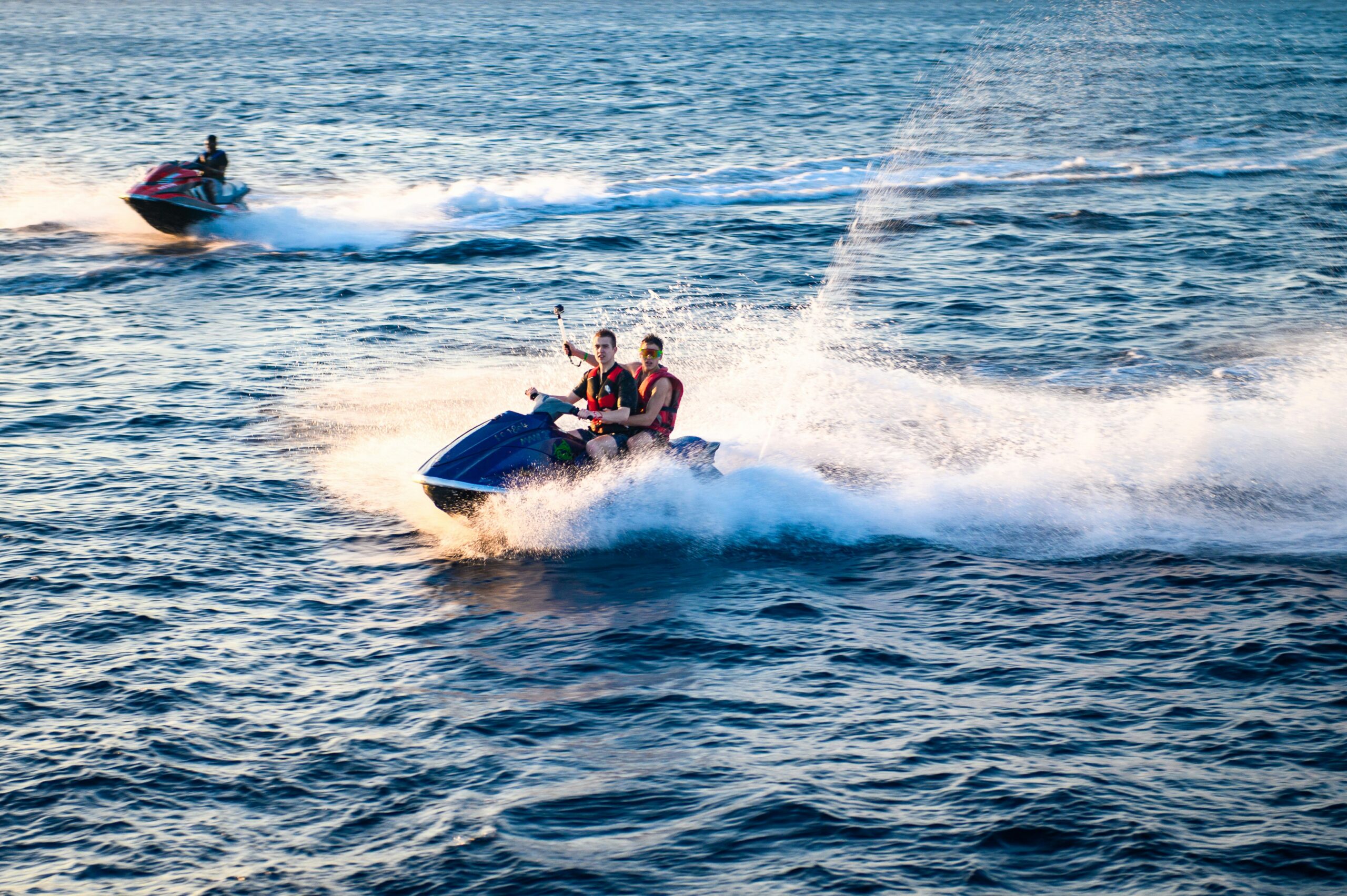
The guidance covers marine non-licensable activities: activities that do not need a marine licence but may still affect protected features. These include anchoring, diving and snorkelling, motorised and non-motorised watercraft, personal watercraft, hovercraft and commercial wildlife watching from the sea. Fishing is managed separately. Shore-based activities such as dog walking, bait collection, coasteering and seaweed foraging fall outside the MMO’s remit.
Earlier MMO research identified 32 MPAs where these activities could put protected features at risk. Working with Natural England, the MMO has now reviewed potential impacts across all 168 inshore MPAs. A risk-based assessment identified 98 sites that may be vulnerable and need further screening. Where screening suggests an activity may be affecting protected features, the MMO will carry out a detailed site assessment, grouping MPAs together where appropriate to support a consistent, ecosystem-based approach.
What management could look like
A site assessment considers whether an activity could prevent or hinder an MPA from meeting its conservation objectives. Where that risk exists, the MMO will decide what action is proportionate. Options range from information and education, voluntary codes and engagement with local clubs, through to managing access, designating access points, deploying wardens and introducing MMO byelaws or permit conditions. Measures will be monitored and can be kept, changed or removed as the evidence develops. The MMO points to Studland Bay Marine Conservation Zone as an example of how assessment, engagement, voluntary management and review can work in practice.
Protecting seagrass
The seagrass guidance notes that UK seagrass beds have declined by more than 40% since the 1930s, mainly because of coastal development, pollution, wasting disease and physical disturbance. It highlights the habitat’s value as a nursery for fish and shellfish, a buffer against coastal erosion and a store of blue carbon, holding over 10% of the buried organic carbon in the ocean.
Traditional moorings and dragging anchors can scar seagrass beds and damage them beyond recovery. Boat users are asked to check habitat information before anchoring, to avoid anchoring on seagrass where safe to do so, to use advanced mooring systems where available and to follow voluntary no-anchor zones. The guidance also stresses that protecting existing seagrass and tackling the pressures behind its loss should come before restoration. It cites the ReMEDIES project, in which the Ocean Conservation Trust planted eight hectares of seagrass across two Special Areas of Conservation, as an example of best practice.
New rules of thumb for divers
The diving guidance reminds divers and snorkellers that both native UK seahorse species, the spiny and short-snouted seahorse, are protected under the Wildlife and Countryside Act 1981. A wildlife licence is needed for anyone intending to do something likely to disturb them, which can include photography or filming. Divers who encounter a seahorse are told to spend no more than five minutes observing it, never to touch or pursue it, and to retreat slowly to at least five metres if it shows signs of stress. Signs of stress include erratic swimming, a lowered head or darkening colour. The MMO warns that it may investigate photographs or videos showing a stressed seahorse, which could lead to enforcement action. Sightings can be reported to Natural England to support conservation records.