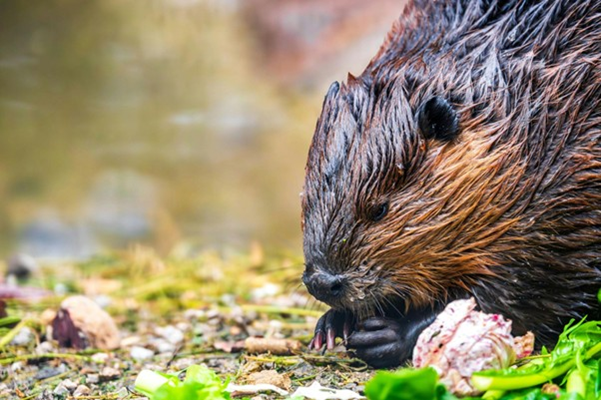
Photo by Matej Bizjak / Pexels
Natural England has approved England’s first unrestricted wild beaver releases, with four Eurasian beavers introduced to Cornwall Wildlife Trust’s Helman Tor reserve and additional releases planned across the UK – marking a watershed moment for nature recovery 400 years after the species’ extinction in the UK.
The Helman Tor release represents a historic first: while beavers were legally released in Dorset last year under the government’s new licensing system, those animals remain contained on the Purbeck peninsula. The Cornwall beavers, released into a 300-hectare estate, can access river systems freely – making this the first truly wild mainland release.
Ecosystem engineers return
Two beavers from Cheshire and Dorset were released together into the same pond at an undisclosed Helman Tor location, with two others released at a nearby site. The Beaver Trust maintains a stud book to ensure genetic diversity, hoping the pairs will establish self-sustaining populations.
“Beavers are prodigious ecosystem engineers and proven climate champions,” said Nature Minister Mary Creagh. “They create havens for other wildlife, help reduce the impact of floods and droughts, and improve water quality in our rivers. The return of beavers is a vital part of this government’s mission to protect and restore nature.”
The keystone species’ dam-building slows water flow, reducing flooding during heavy rain while storing water during droughts. Their wetlands filter pollutants and sediments, improving water quality and creating habitats that boost populations of bats, fish, birds, amphibians and invertebrates.
Andy Collins, Cornwall Wildlife Trust’s reserves manager, highlighted specific benefits: “We have a pair of willow tits, the fastest-declining native bird in this country. They need dead wood, shallow pools full of invertebrates and dense thickets, which is exactly the habitat beavers create.”
Bureaucracy and “beaver bombing”
However, the route to approval has proven arduous. Cornwall Wildlife Trust spent £150,000 in administration and survey fees and waited a year for Natural England permission to release four beavers, raising concerns among smaller organisations and individual landowners about costly, lengthy licensing.
The slow process has driven some to illegal action. Unknown parties “beaver bombed” Helman Tor in February 2024, illegally releasing a pair that subsequently created twice as many wildlife ponds in half the time it took the Trust to dig 20 ponds at £29,000 cost. “We would not encourage or condone this behaviour at all; it erodes trust,” Collins said. “But they have done some amazing work.”
Local farmer Chris Jones, who has kept beavers in enclosures since 2017, said Natural England indicates releasing his animals into the wild will take at least three years and cost tens of thousands of pounds. “It is an inordinate amount of money; it is a huge ask if this level of cost is maintained. The layers of bureaucracy involved are farcical.”
Managed expansion ahead
Natural England Chief Executive Marian Spain emphasized careful planning: “The successful return of beavers depends on well-planned, collaborative projects built on engagement and trust, and we are committed to getting it right for both nature and communities.”
Wild release projects must demonstrate 10-year plans to support beaver introduction before licensing, minimizing potential conflict with farming, food production and infrastructure. Natural England has identified 32 potential projects meeting wild release criteria, with eleven invited to apply – prioritizing well-planned, well-resourced projects where benefits outweigh risks.
Stuart Otway from Natural England’s complex cases unit confirmed releases are planned for major catchments including the Humber, Severn and Thames: “We are looking at over 30 projects now, and you will see more releases this year and in the following years after that.”
Wildlife Trusts plan to release 100 beavers across reserves this year, with the National Trust also proceeding with releases including Somerset on Tuesday. Natural England officials insist processes will become more streamlined and possibly cheaper as the programme expands.
Environment Agency Deputy Director Jenni Balmer said: “These well-planned releases promise big wins for people and nature, and we’ll keep championing them as part of our wider work on wild releases nationwide.”